30 Days Wild 2021 – Day 16 – Garden – Nettles

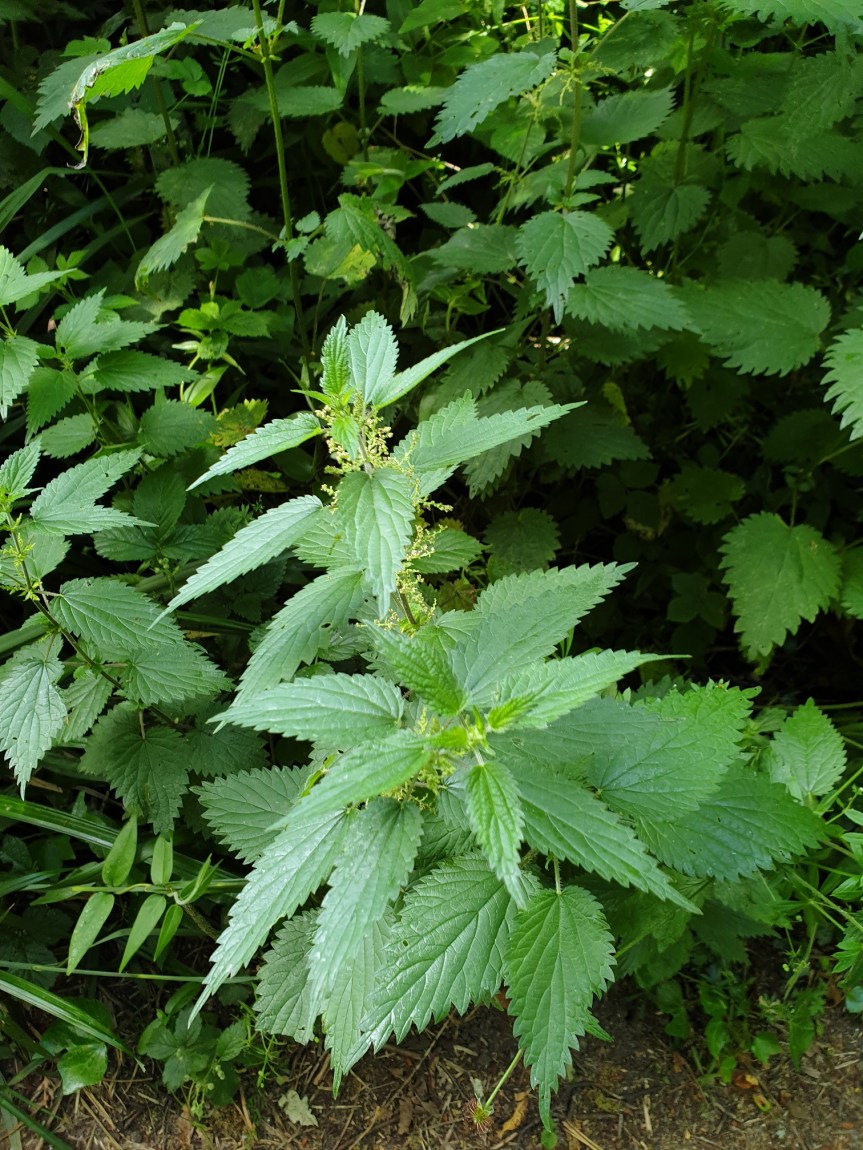
The good old Nettle or Stinging Nettle (Urtica dioica). Some people hate them, some love them. I am in the latter camp and the Nettle is a great part of any landscape.

A plant that butterfies love and live on to being a culinary plant for use in the kitchen.

Butterflies that use nettles are commonly:

There are also a number of Moths that also make the nettle their home.
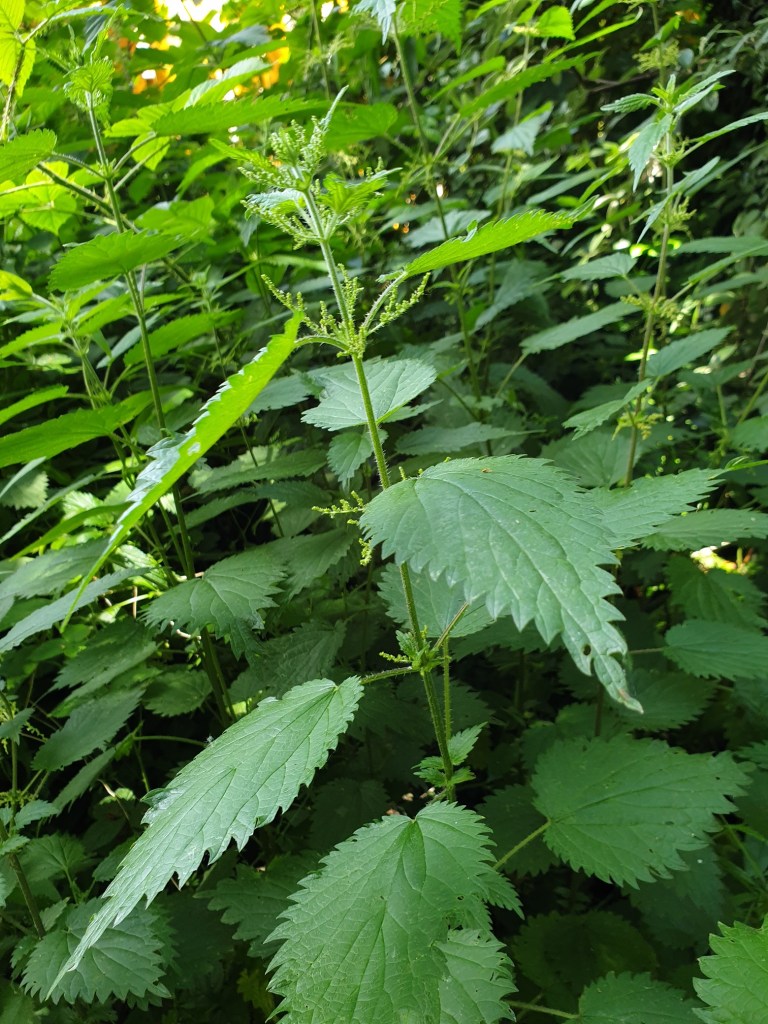
Here are 10 uses for the Nettle from Gardeners World that are worth checking out:

  • A hearty nettle soup
  • Spring greens
  • Reviving nettle tea
  • Nettles help butterflies
  • Nettle beer
  • Nettle liquid feed
  • Nettles as aphid trap
  • Nettles for ladybirds
  • Nettles as soil indicator
  • Nettles on the compost heap

As with all plants and foraging you should eat only in moderation if you have not eaten before and forage responsibly.
30 Days Wild 2021 – Day 9 – Ponds/Lakes – Water Iris

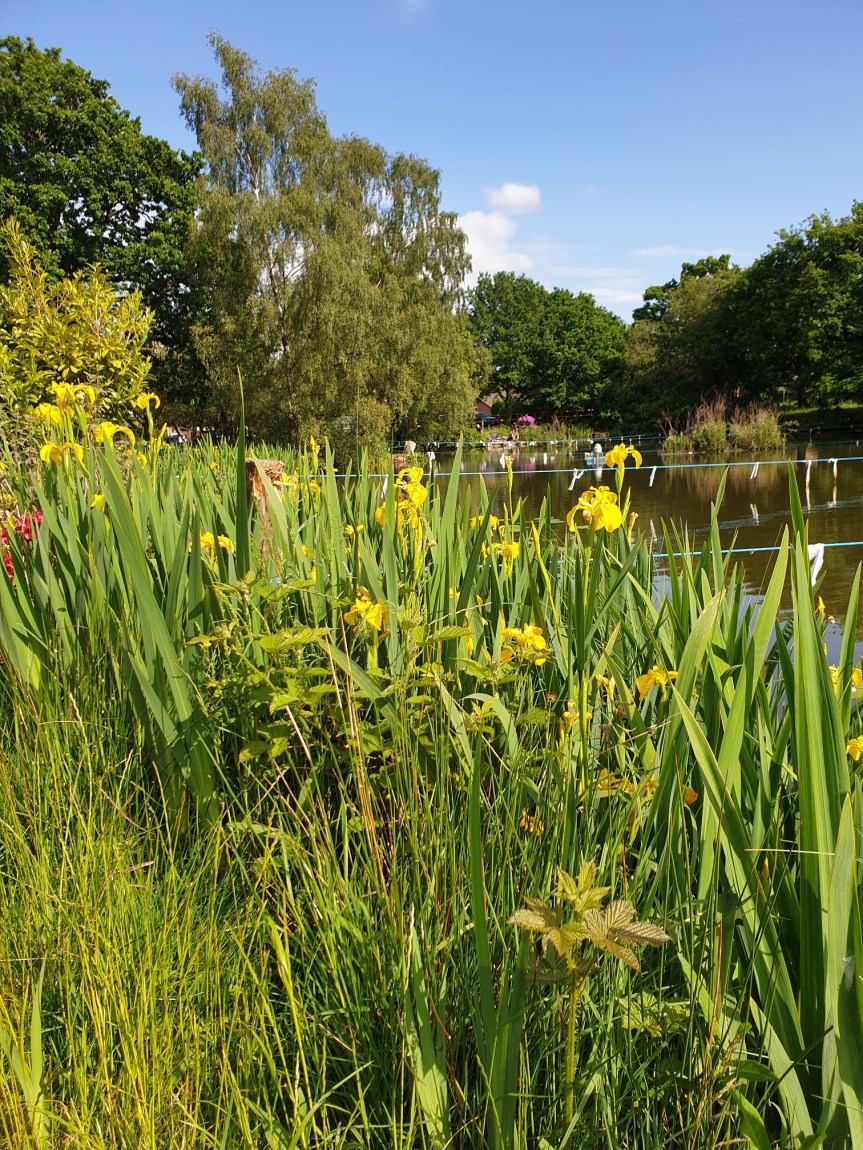
There are many species of Iris, an in the Water Iris area, again a lot of different species. For this blog post I am looking at the one that I see the most around Ponds/Lakes local to me which is the Yellow Flag Iris (Iris pseudacorus).

As you can see from the picture, it is growing in abundance at the local Pond/Lake.

This is a herbaceousperennial plant which flowers with a bright yellow flowers (up to 10cm in width) in the Spring. An Iris can grow between 100cm and 150cm tall and grows from a rhizome (root that runs horizontally in the ground). Due to the rhizome the Yellow Flag Iris can spread quickly along a bank of a pond/lake.

Once the flowers die away, they reveal a seed pod which can produce water-dispersed seeds which also allow the plant to spread.

It thrives in wetlands and banks along water.

If you keep one of these in your own pond you should repot or thin out every 2-3 years due to its growth spread.

The thick Iris provides a great habitat for insects, arachnids, dragon flies etc that live near to and along the waters edge.

At this time of year its great to see the banks thrive with the yellow colours provided by the Iris and thrive with wildlife that make it home.

Life on a Rose – 30 Days Wild (Day 15)

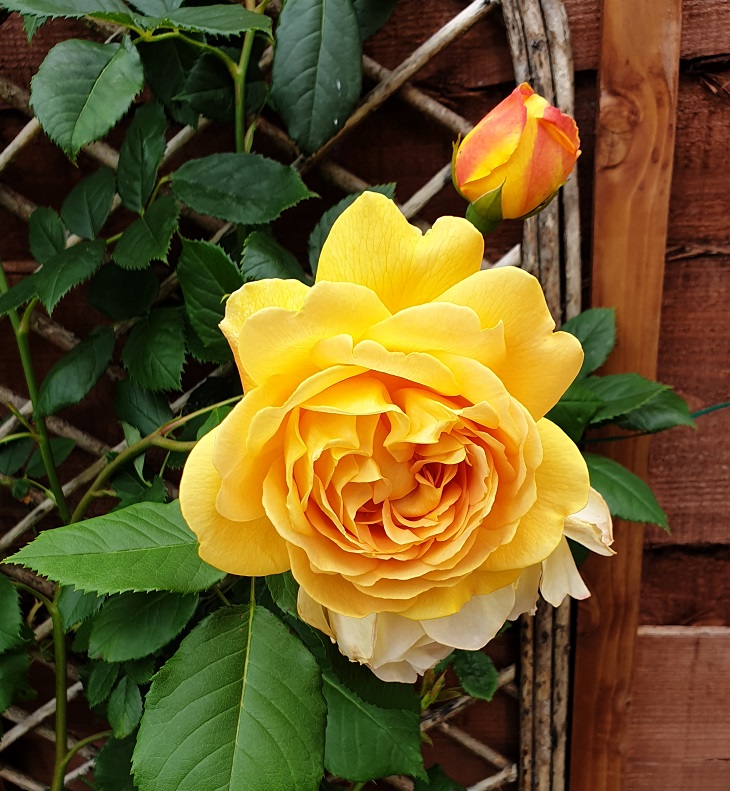
RoseThe Rose is a feature of many gardens with it large blooms of flowers with sweet fragrances, green leaves and thorny stems, but look closer and there is an ecosystem of insects that make the rose their home.
Many a gardener will know of the damage that certain of these insects can do to the plant and are not their favourates such as Aphids.

The Aphid comes in many different colours and are winged and wingless. Their lifecycle can be lived out on a rose plant overwintering as eggs and emergining in the spring.

If you have an Ants nest near by, the ants will be visiting the rose not to eat the aphids, but to farm them. Aphids live on the rose by sucking the liquids out of the rose and secrete a liquid called Honeydew. The ants use the Honeydew as food and farm the ants for it. Ants can be seen moving aphids around a rose or even to a different rose in the same way a farmer would move sheep or cattle from one field to another so they can feed on a fresh pasture of grass.

Nature is at hand to help keep the aphids under control with a set of preadators:

  • Ladybirds
  • Hoverfly larvae
  • Lacewing larvae
  • Midge larvae
  • Parasitic wasps
  • Ground and Rove Beetles

Have a look at the plants in your garden. What eco systems are in play?


Verges – 30 Days Wild (Day 6)

Grass VergeDuring the recent pandemic and lock down has meant that around the country some jobs have not been done such as cutting of verges. Some councils have already started to leave verges at certain times of the year to grow.
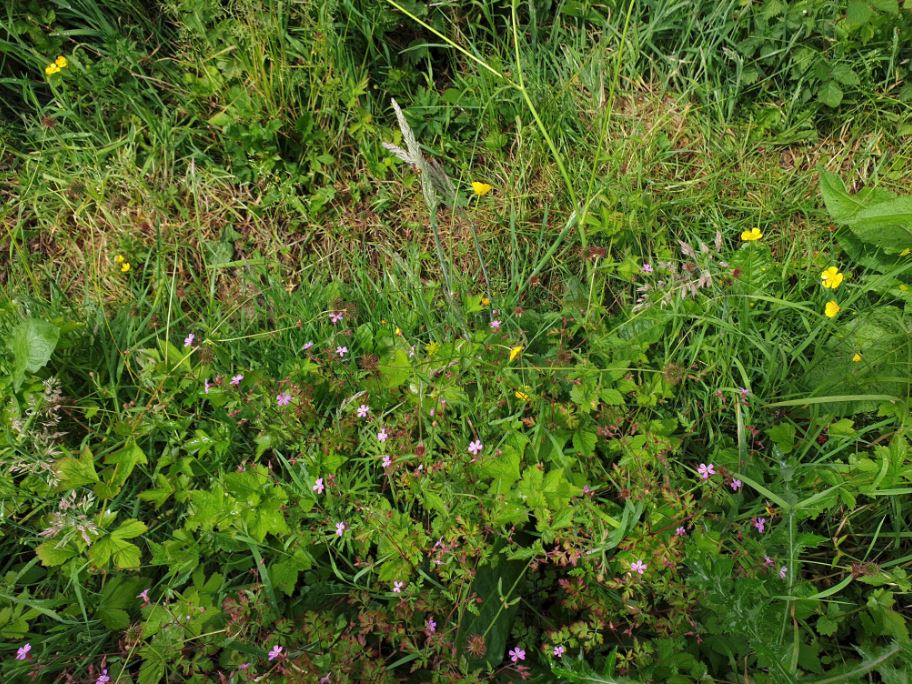
This time has seen a lot more verges sprin into life and become havens for wildlife allowing flowers and plants that would normally be kept short to grow to their natural heights. Fields have blossomed with the seed heads of dandelions and turned yellow and white with the buttercups and daisies.

Path Verge
Verge along a path

Verges along paths are also growing with species such as:

  • Nettle
    Plantain
    Thistle
    Dandelion
    Dock
    Buttercup
    Daisy
    Knapweed
    and lots of others

All of these provide habitats for wildlife to live and thrive. This is certainly a year to enjoy the colour and splender of nature as we excerise and get outside.

Nature under your feet – 30 Days Wild (Day 5)

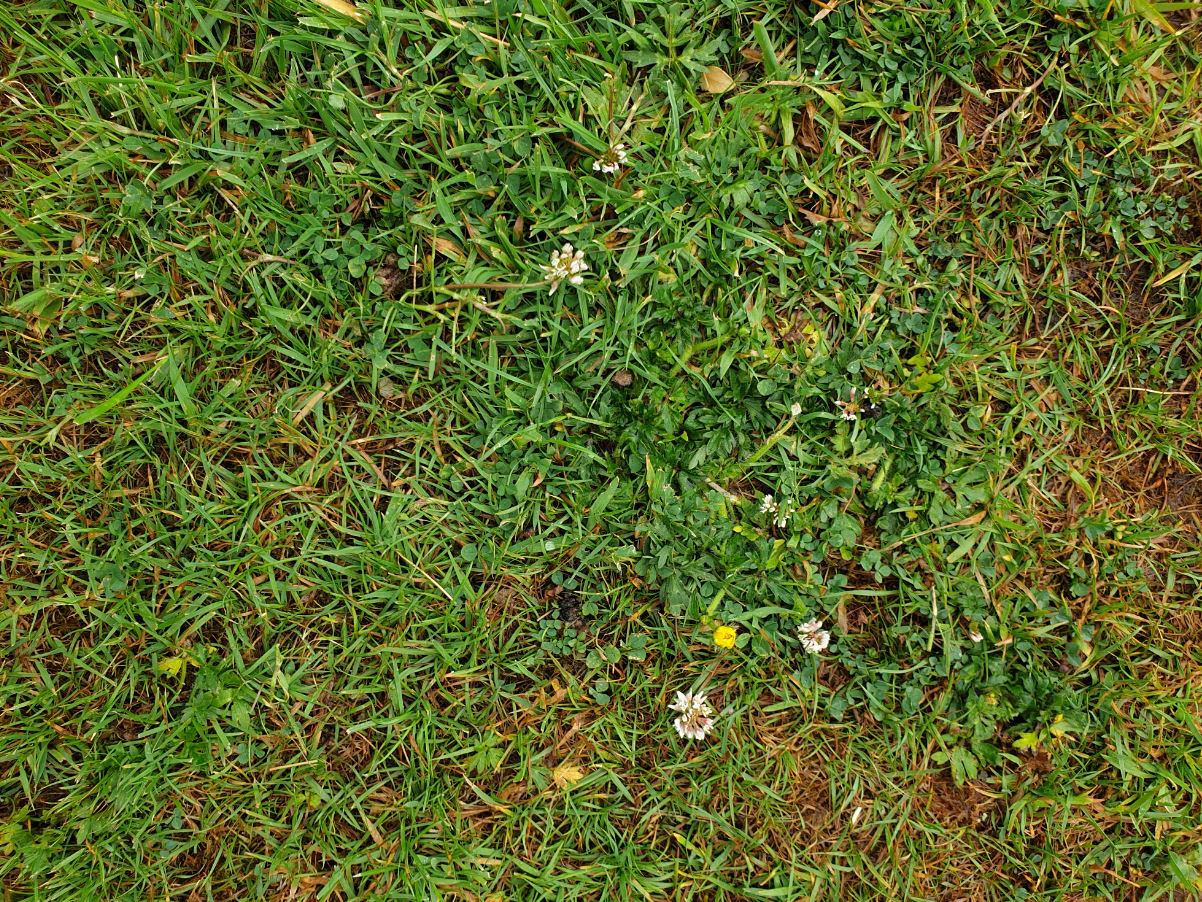
lawnWhen your out looking at nature you dont have to go far to find it. We often are looking straight ahead or up in our search to find something, that we miss whats under our feet.

Standing on grass? Look down, get down and investigate whats under your feet. The picture to the right is from my back garden lawn.

Lets have a look more closely at some of it. Straight away you can see:

  • Grass
  • Buttercup
  • Clover
  • Moss

What else can you find?

If you start to move the growth of plants to the side and look into the thatch of the lawn you will find a myriad of creatures.

  • Ants
  • Beetles
  • Grubs
  • Slugs
  • Snails
  • Weevils
  • Worms

To some gardners these may be pests, but there is a whole eco system going on right under your feet. Have a look. What have you discovered? What plants and animals make a lawn or field their home?