Transforming Outdoor Resolutions into Habits

Each year, the same pattern emerges. Many people pledge to spend more time outdoors, develop their bushcraft skills or strive for greater self-reliance. Yet, by the time February arrives, much of their initial enthusiasm has faded. This is not due to laziness, but rather because resolutions often do not withstand the realities of the outdoors. The woods present weather, obstacles and real consequences, indifferent to our best intentions.

Traditionally, bushcraft has never been mastered through grand resolutions. Instead, it is learned through forming habits (small actions, repeated regularly and reflected upon honestly). As Kephart observed, bushcraft is a discipline built on consistency and honest self-assessment.

Why Resolutions Don’t Work in the Woods

On paper, a resolution might sound impressive: “This year, I’m going to master bushcraft.” However, such a statement lacks the practical realities of terrain, wind and cold hands.

In contrast, a habit could be: “Three times a week, I’ll spend 20 minutes outside and write down what I notice.”

The difference is crucial. Resolutions often crumble the moment life becomes hectic. Habits, however, adapt and persist, mirroring the demands of bushcraft itself. As Kochanski has noted. In the outdoors, detailed plans often falter, but habits can evolve and continue.

Bushcraft Is Seasonal, Not Calendar-Based

Nature does not reset itself on the 1st of January, and neither does the process of building bushcraft skills. Progress in bushcraft follows a natural sequence:

  • Awareness before tools
  • Fire before shelter
  • Shelter before comfort
  • Comfort before confidence

Attempting to “learn everything this year” bypasses the gradual, seasonal approach humans have traditionally used to acquire outdoor skills and isnt a realistic approach. Instead learn some basics and start to build up your skills. Mears emphasises that true learning in bushcraft happens through repetition and by moving with the seasons.

Rather than setting an annual goal, it is often more effective to select a particular focus each month. For instance, one month might centre on observation, another on fire-making and another on shelter construction. This method removes unnecessary pressure and encourages genuine engagement and attention.

The Journal: The Most Overlooked Bushcraft Tool

Long before modern equipment, people relied on memory, honed through repetition and meticulous record-keeping. A bushcraft journal serves as a field log, not merely a diary, as Kephart described. Most entries are brief, noting what worked, what failed and what was surprising.

Sometimes, a single line “Fire struggled in wind. Tinder too fine.” can be more valuable for future progress than any instructional video.

Why Journaling Turns Skill into Experience

Skills can fade if they are not reflected upon, while notes help to preserve and deepen understanding. Journaling compels you to slow down and notice patterns, weather conditions, available materials, mistakes and successes. This reflective process is central to how tracking, firecraft and navigation have traditionally been learned, as Brown Jr. has highlighted.

Journaling completes the learning cycle: experience leads to reflection, which leads to adjustment, as described by Kolb. Over time, your journal develops into a unique and valuable resource, a record of what has truly worked for you in your specific environment.

Build the Habit, Not the Image

Modern outdoor culture often emphasises perfect kit and picturesque campsites. However, bushcraft is not concerned with appearances; it cares only about what works. The individuals who develop real bushcraft skills are not those pursuing aesthetics, but those who consistently practise the same skills, often alone and without recognition, as Mears has pointed out.

Habits do not require an audience. Consistency, not display is what really matters.

A Simple Habit That Sticks

If you wish to begin without overcomplicating matters, consider this simple approach:

Two or Three times a week:

  • Spend 20–30 minutes outdoors
  • Practise or observe one thing
  • Write three lines in a notebook/journal

This is not a resolution; it is a rhythm. Rhythms are sustainable and such repeated observation and practice (often called the “sit-spot” practice) are common across Indigenous traditions worldwide because they are effective.

What Changes Over Time

After several weeks of honest, regular practice, you will notice meaningful changes:

  • The woods become more familiar
  • You make decisions more confidently
  • Tools feel easier to use
  • Your confidence grows, quietly and steadily

Eventually, you stop striving to “be a bushcrafter.” Instead, you simply become someone who goes outside, practises skills and learns from experience.

Resolutions are promises to a future version of yourself. In contrast, habits are agreements with who you are right now, someone standing outdoors, paying attention and taking notes. This is the enduring way bushcraft has always been learned.

References & Influences

These works and traditions inform the philosophy behind habit-based bushcraft learning and journaling:

  • Kochanski, M. Bushcraft: Outdoor Skills and Wilderness Survival
    — Emphasises skill repetition, awareness and self-reliance over gear.
  • Kephart, H. Camping and Woodcraft
    — Early documentation of field notes, practical experimentation and lived learning.
  • Brown Jr., T. The Tracker
    — Highlights observation, journaling and pattern recognition as core wilderness skills.
  • Mears, R. Essential Bushcraft
    — Reinforces gradual skill-building and environmental literacy through experience.
  • Sit Spot Practice (Various Indigenous Traditions)
    — A long-standing method of developing awareness through repeated, quiet observation in one place.
  • Kolb, D. A. Experiential Learning Theory
    — Learning as a cycle of experience, reflection (journaling) and adaptation.
  • Leave No Trace Center for Outdoor Ethics
    — Ethical framework supporting responsible, repeatable outdoor practice.
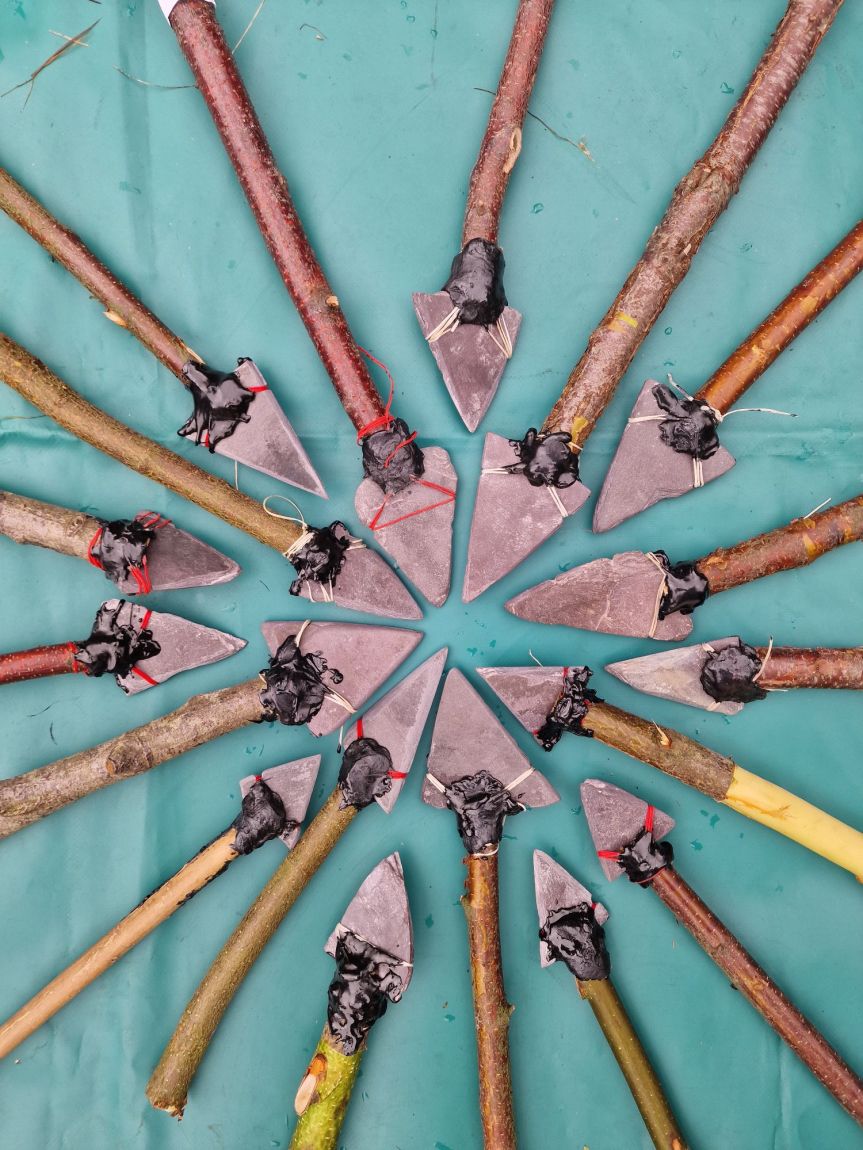
Ancient Craft Techniques: Slate Arrowhead Creation

Recently I was on a Scout Camp and one of the weekend’s most memorable highlights was instructing on a hands-on project that wove together wilderness know-how and the ingenious traditions of ancient peoples. Each Scout was tasked with crafting a slate arrowhead, an exercise that demanded patience, creativity, and a steady hand. Carefully, they chipped and shaped the cool, flat stone, learning to see potential in raw materials that, at first glance, appeared unremarkable.

The arrowheads were shaped with care and patience, using rough sandpaper fixed to a wooden block to gradually wear down the slate’s edges. Scouts carefully dipped the slate pieces into water as they worked, which not only kept the stone cool under friction but also prevented dust and fragments from scattering. This process allowed for finer control, turning each nondescript shard of slate into a symmetrical, pointed arrowhead.

Once each arrowhead was formed, the real challenge began: securely fastening it to a sturdy stick to create a functional projectile. Instead of modern glue, Scouts employed artificial sinew—tough, waxed thread that echoes the resilience of real animal tendons used by early craftspersons. To finish the binding, they turned to one of nature’s oldest adhesives: pine pitch. This sticky mixture, painstakingly made from melted pine resin, a dash of beeswax for flexibility, and finely powdered charcoal for strength, was heated gently over the campfire. As the pitch simmered, it filled the air with a rich, pine aroma which helped to keep away any midges.

There was a lot of pride as Scouts compared their handiwork between themselves. Each unique arrowhead a testament to perseverance and newfound knowledge. The experience illuminated how ancient crafts can still inspire creativity, connection, and a deep appreciation for the world’s natural resources.

The croaking chorus of spring

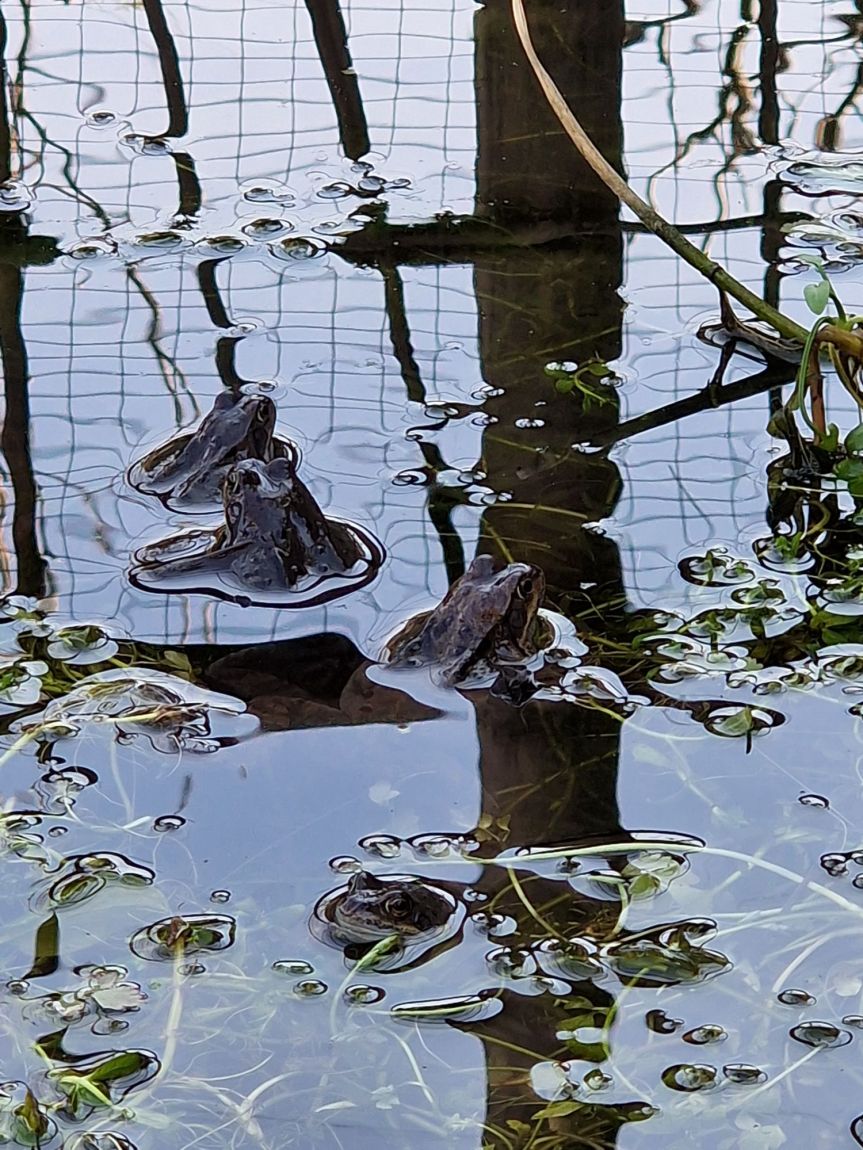
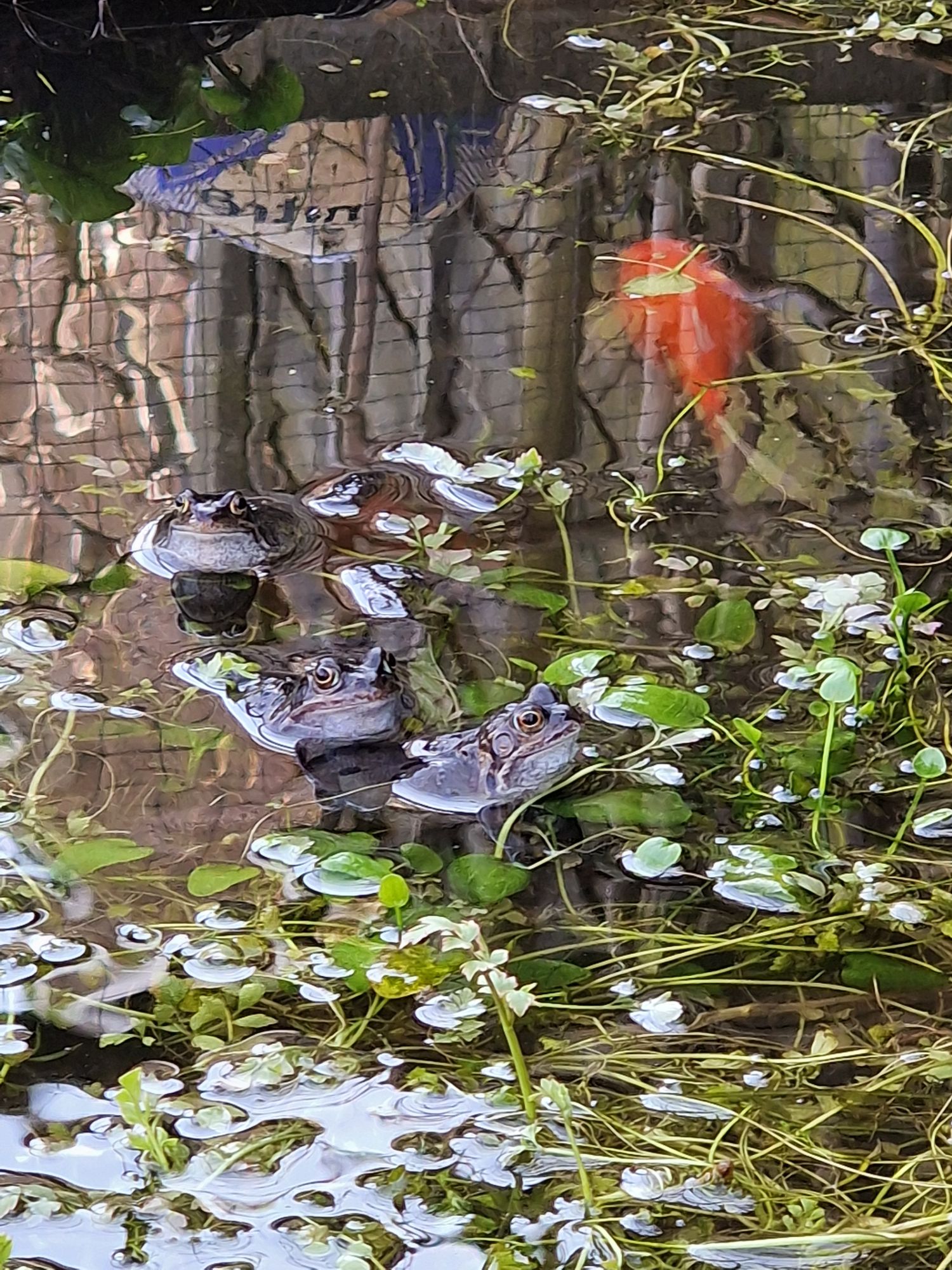
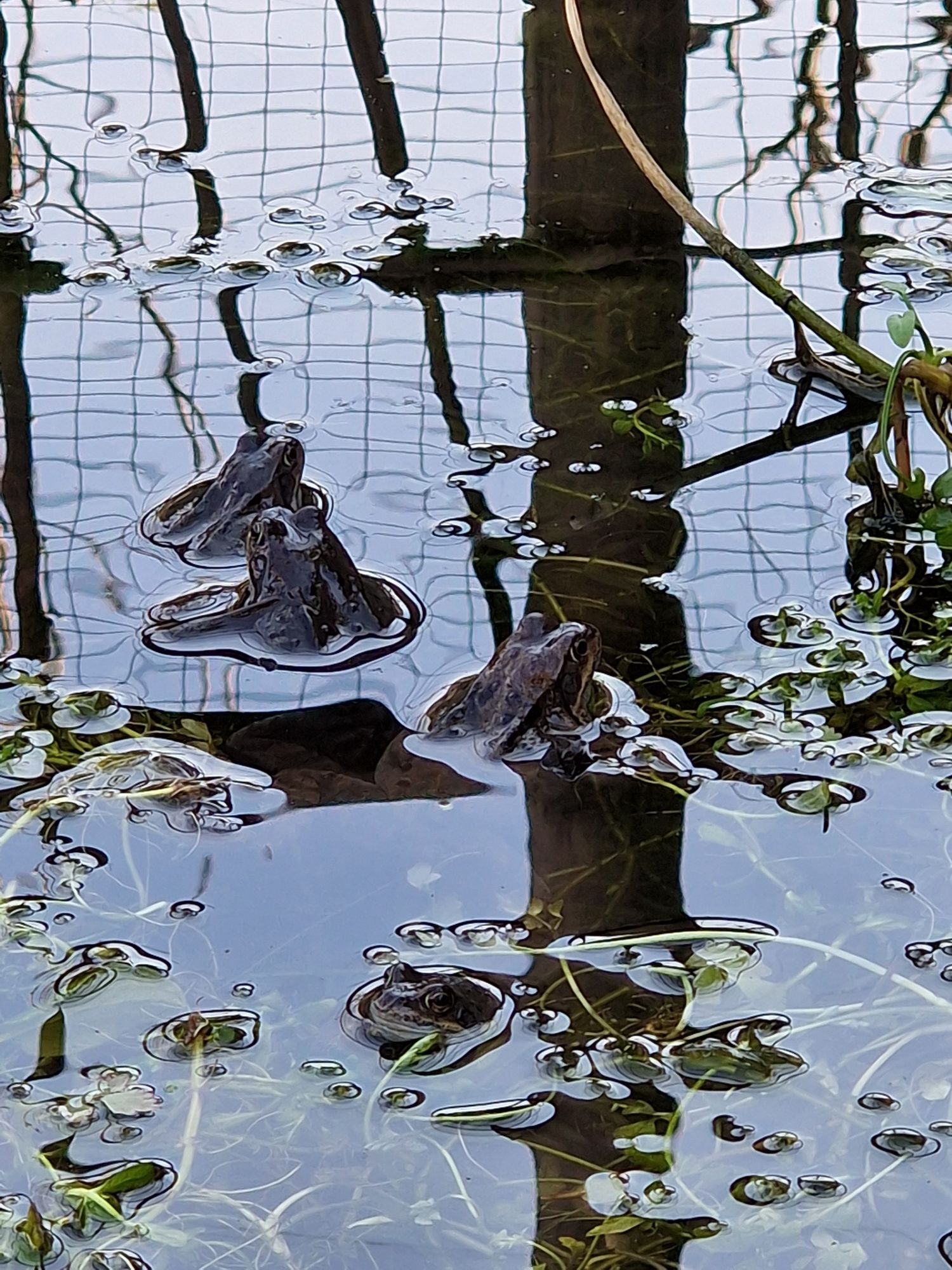
A good sign that spring is on the way is when you hear the chorus of frogs in your pond.

Counted 8 frogs sat in the plants and weed with a couple croaking away this afternoon.

A large amount of frogspawn has also appeared. Although you can find forgspawn from as early as January, typically in my pond, it’s March time.

Do you know the difference between frog and toad spawn?   Frog is normally clumped together, whilst toad is strung in a line.

Whilst tempting to move spawn from a pond to somewhere else, it is not advisable as you could introduce contaminants from one pond to anthoer (diseases, invasive species etc.)

This time of year is great to just sit and watch the pond life and nature take its course.

Discover Hidden Bushcrafting Gems at Second Hand Book Shops

Books have played a big part in bushcraft through passing on knowledge and wisdom from the tombs of Camping and Woodcraft by Horace Kephart to the volumes by Mors Kochanski. Not forgetting all the related books on topics that expand and craft your bushcraft skills (too many to mention).

There is no better way of learning that going outside and practicing your skills, but sometimes as the nights draw in and the weather worsens there is nothing better than sitting reading and building your knowledge ready for the next opportunity to get to practice.

Finding a good book to read can be both easy and hard. Typing “Bushcraft Books” into the internet will provide a plethora of results from which to purchase. For me though visiting a second hand book shop to browse the shelves on a voyage of literature discovery is an opportunity not to be passed up.

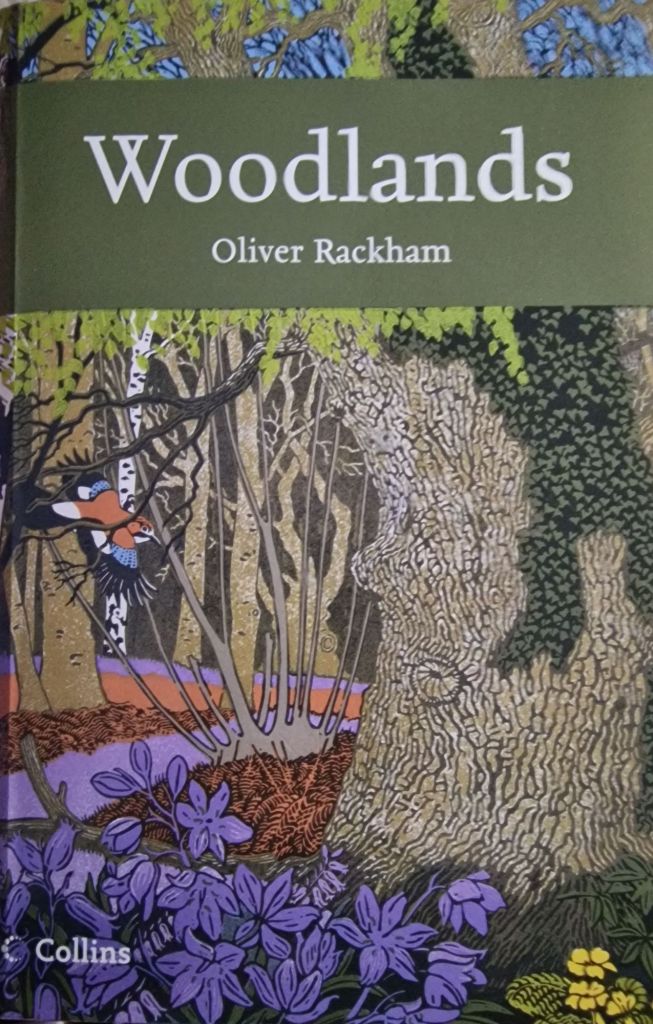
Why? because you may just find something that you hand not considered and will take you down a route to expand your knowledge that bit wider and further. As an example here are my two latest finds. Both these books combined cost £12. Certainly cheaper than the internet (in some cases) and I had the pleasure of perusing these whilst standing near a roaring fire in the corner of the shop (no books were harmed!).

The first book is Woodlands by Oliver Rackham and is from the New Naturalist Library (NN). I have found the books from NN to be good and informative, sometimes a bit heavy, by still good.

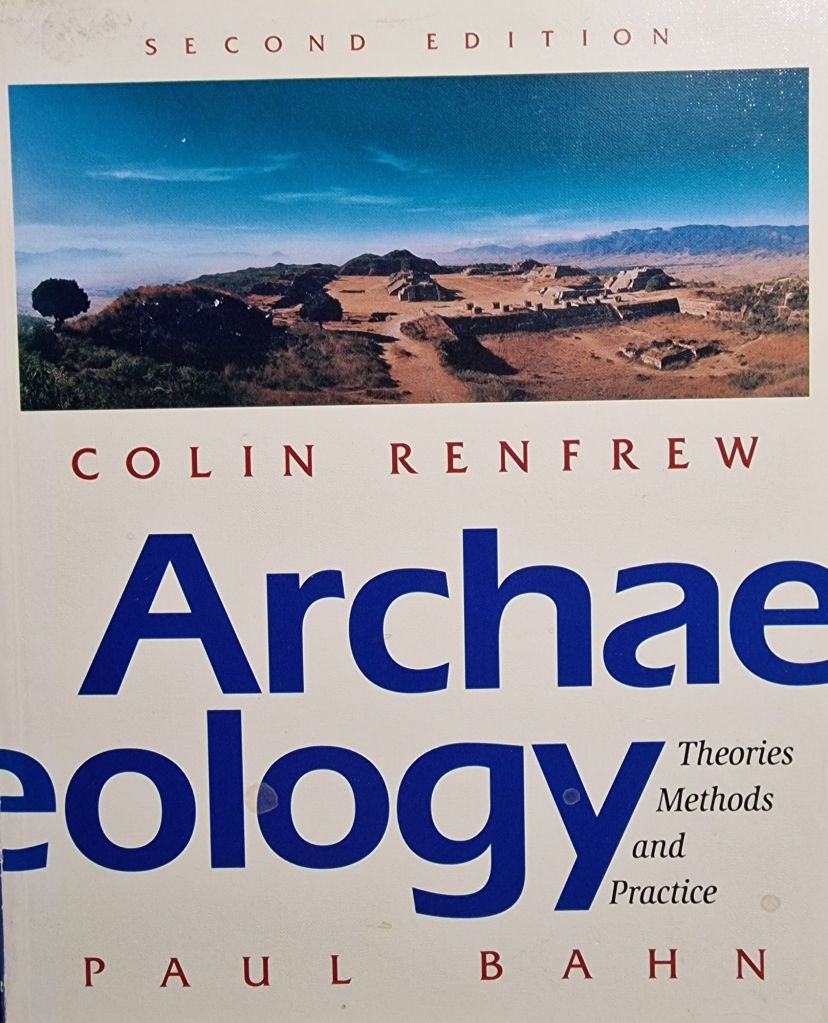
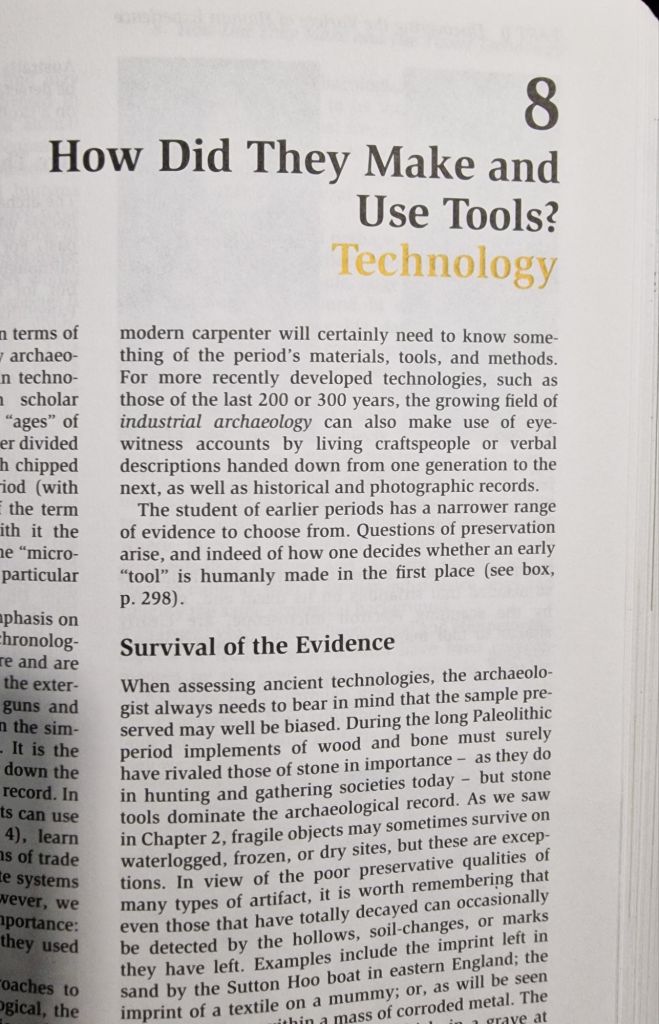
The second book is on Archaeology. Why did this peak my interest? It has a whole chapter on tools and lithics with good illustrations and was £2 out of the £12 spent. I hadn’t really considered looking at any Archaeology books for bushcraft inspiration before, but now I will.

So if you spot a second hand bookshop, go and have a look. You may be surprised at what you find.

Exploring Nalbinding: An Ancient Textile Technique

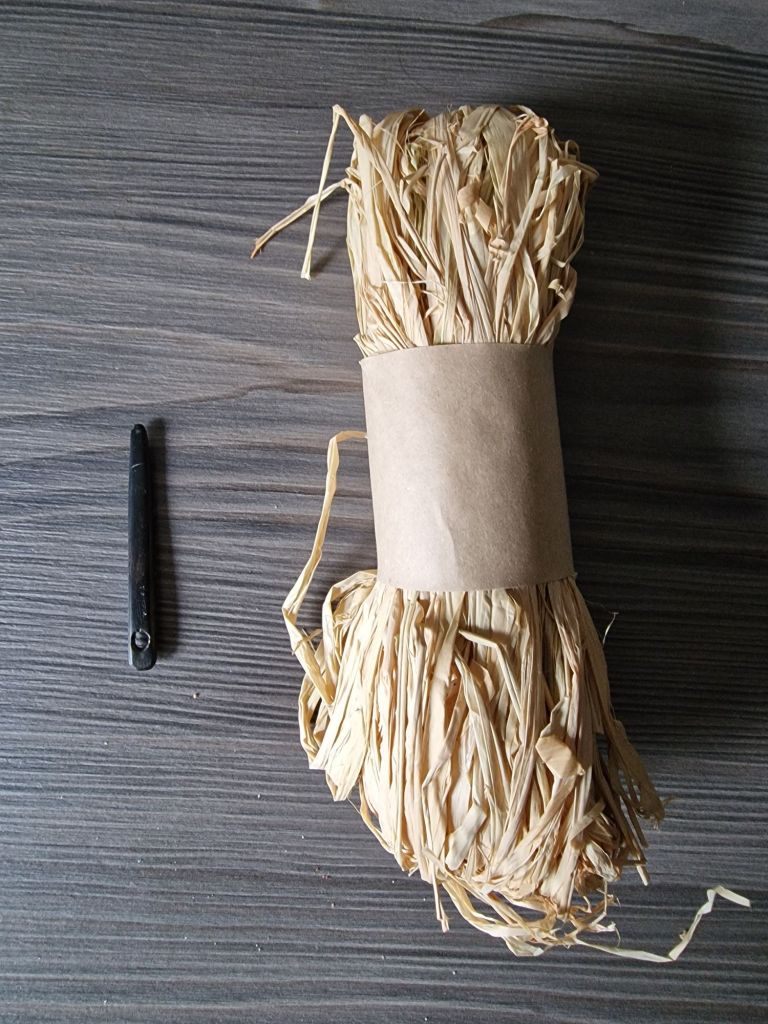
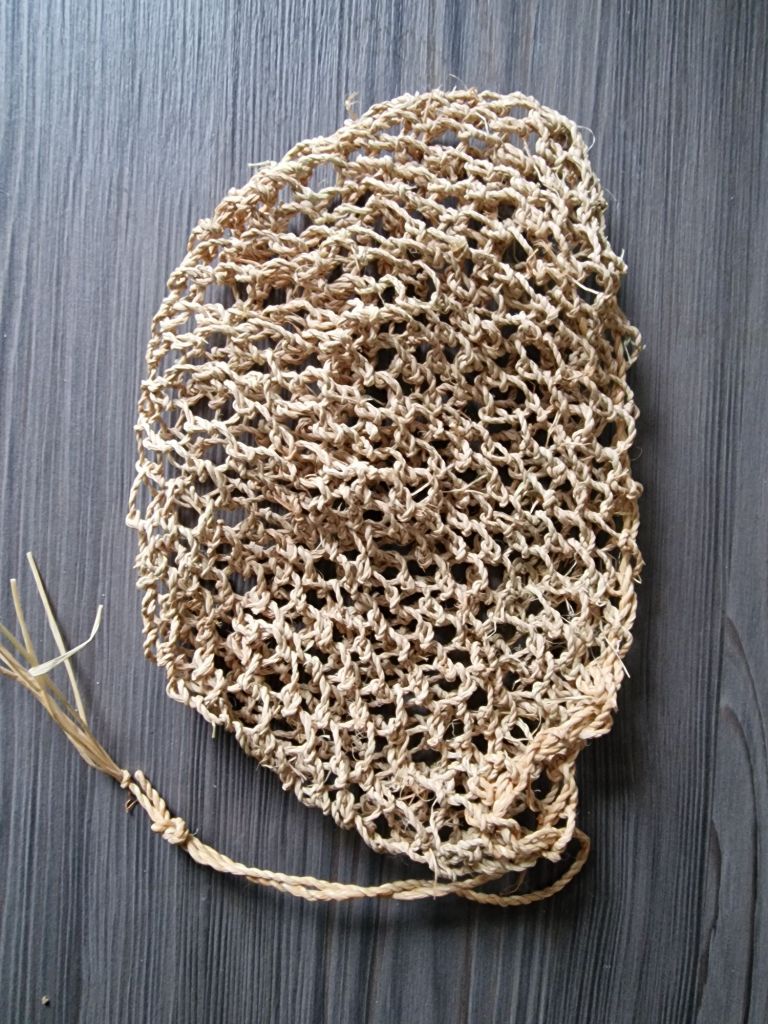
Nalbinding is something that I have want to try and have not really got round to until now. I was inspired by a video on YouTube from Sally Pointer where she provides instruction on how to make a bag using a simple loop and twist (blanket stitch) and extending the raffia cordage for the amount you need.

Nalbinding, also known as needle binding, is an ancient textile technique that predates both knitting and crochet. Originating from regions like Scandinavia and the Middle East, it involves using a single-eyed needle to create fabric by looping and knotting short lengths of yarn or thread. Unlike knitting, which can be unravelled back to a starting point, nalbinding results in a series of interlocking loops that are much harder to undo. This method produces durable, warm textiles such as socks, mittens, and hats, and it showcases the ingenuity and skill of early artisans in creating practical and long-lasting garments.

Cordage is something that I enjoy making and it was a good excuse to use a bundle of raffia I had on the shelf.

The technique is simple but both strong and versatile for making a bag with.

Happy with the results. The video is linked below should you want to try yourself. I spent about a day on this. I learnt a lot from doing this and by the end my spacing and stitches were certainly getting better. I will do some more experimenting in the future.