30 Days Wild 2021 – Day 25 – Nature Walk – Dog Rose

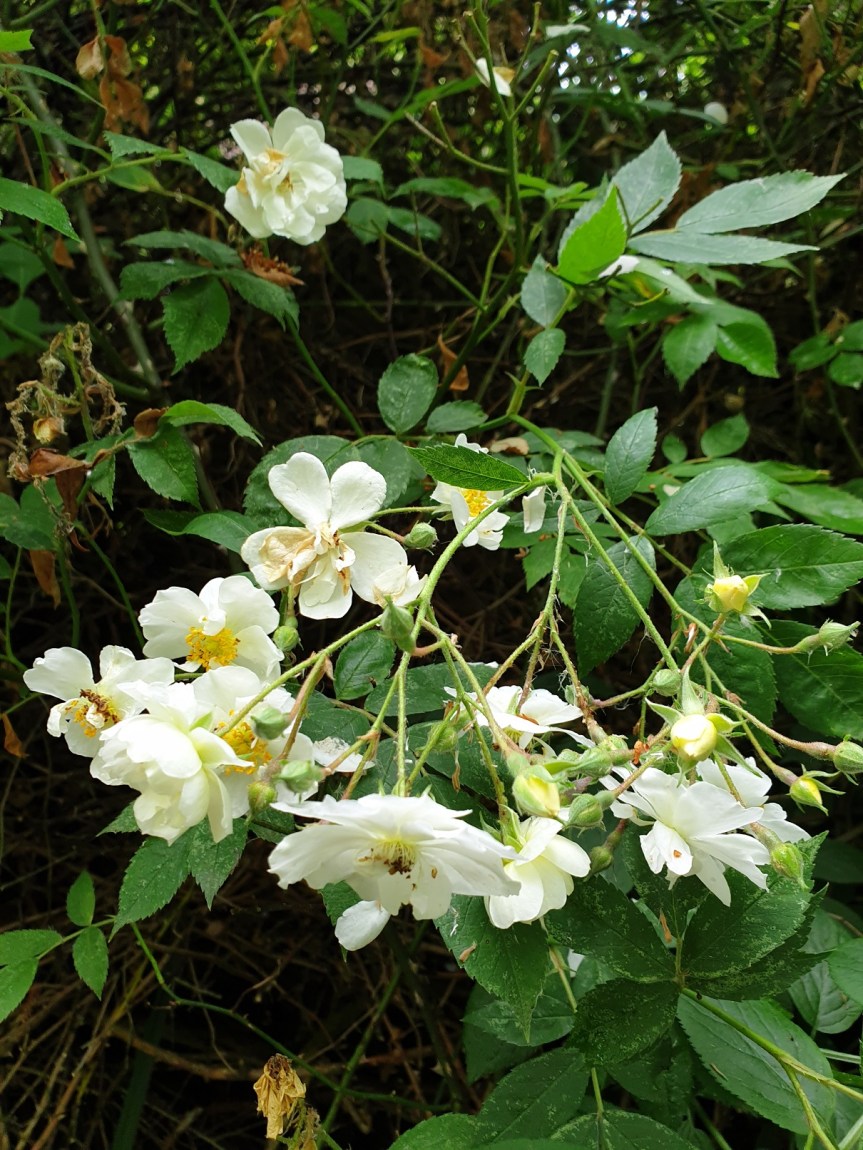
The Dog Rose or Wild Rose (Rosa canina) can be found in hedgerows and road sides. It can also be found as a cultivated garden plant. There are many different varieties of this rose.

The rose climbs and winds through hedgerows. In a garden it needs something to grow against. Growing anywhere between 1 and 5 meters and like other roses, the stems are covered with thorns. The thorns help to provide grip and hold against and aid its climb.
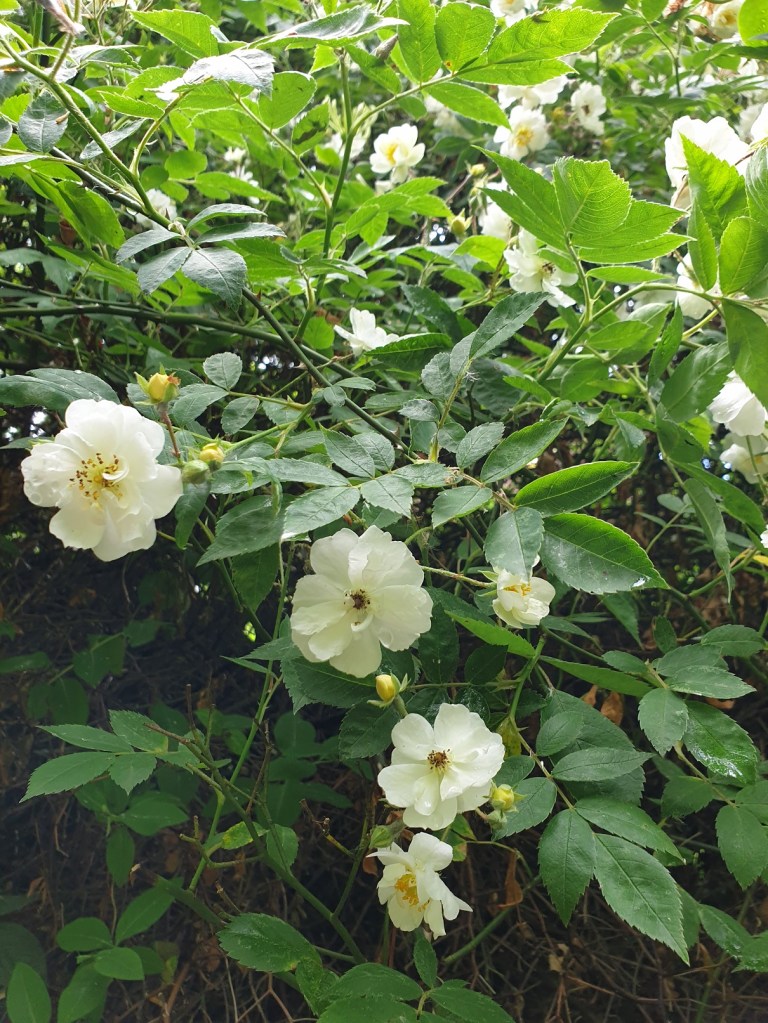
Typically the flowers are pink and white with five petals. In Autumn they turn to Rose Hips.

The rose hips outsides (shell) contains antioxidants and some vitamins. Hence Rose Hip Tea and its benefits. When using rose hips, its important to know what you are doing and also not to use the seeds as they are poisonous.

As with all foraging, forage responsibly and within the law. Also don’t over indulge on something if its your first time trying it!
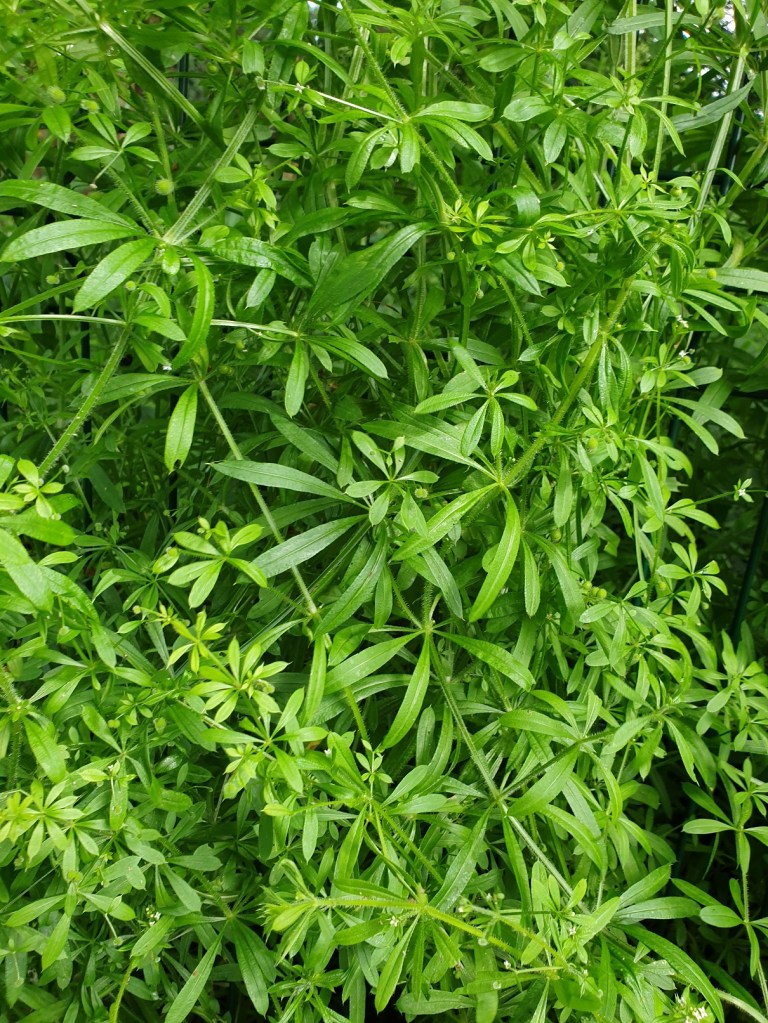
30 Days Wild 2021 – Day 24 – Nature Walk – Goosegrass

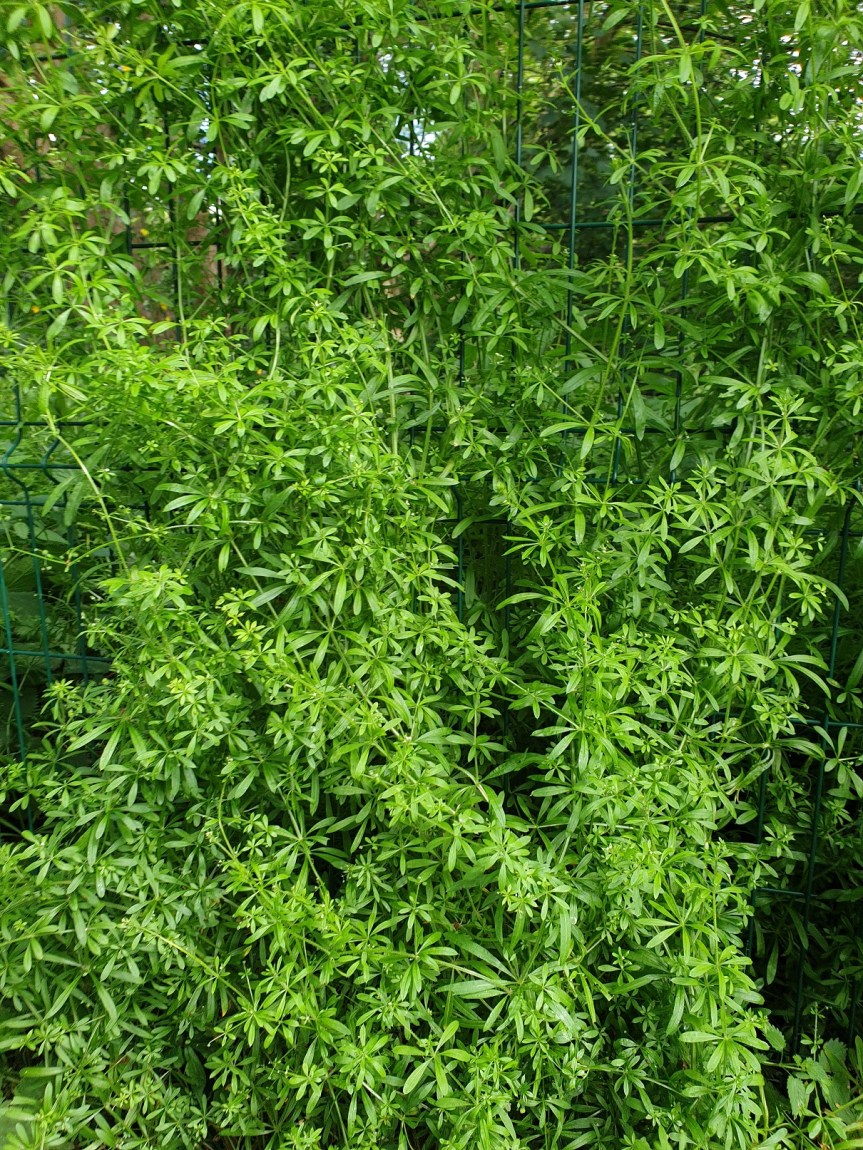
Goosegrass (Galium aparine), also known as Cleavers, Sticky Willy, Sticky Weed…. there are quite a few names for this plant. If your not familiar with the names, maybe the use of it, as lots of people pick some of the plant and throw it at each other as it sticks to clothes due to the tiny hooked hairs on the leaves and stalks. Know it now?

Its one of those plants that you see a lot of along hedgerow, paths and woods, growing intertwining itself amongst other plants.

Its “sticky” properties help it climb through other plants and also help disperse its round seeds which are also covered in the tiny hooked hairs. Normally on the coats of mammals and feathers of birds, but also by humans seeing how much you can get onto someones back before they notice.

It is worth noting though that some people can be allergic to this plant and may come up in a rash, so I’m not suggesting that you pick and throw it at anyone.

Its distribution is throughout Europe and its a fairly common plant.

It does have uses in both medicine and foraging.

The plant can be boiled and used as a potato substitute or its seeds roasted and ground as a coffee without caffeine. A herbal infusion can be made from its leaves. Before you go out and try any of these, you must first learn how to prepare, use and make.

As with all foraging, forage responsibly and within the law. Also don’t over indulge on something if its your first time trying it!
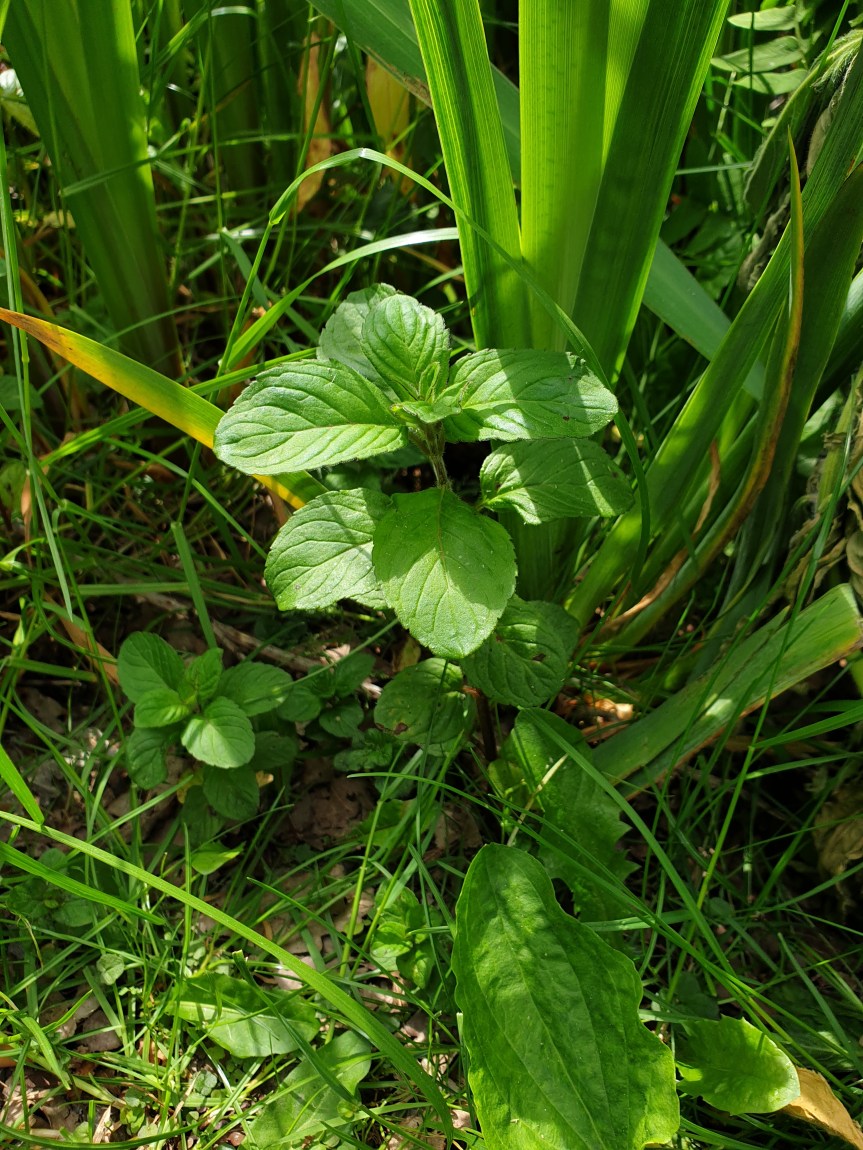
30 Days Wild 2021 – Day 19 – Ponds/Lakes – Mint

Todays postbis about a plant that most people know about and have tasted. The Mint (Mentha) plant comes in several varieties:

  • Apple Mint (Mentha villosa)
  • Corn Mint (Mentha arvenis)
  • Peppermint (Mentha piperita)
  • Spear Mint (Mentha spicata)
  • Water Mint (Mentha aquatica)
  • Whorled Mint (Mentha verticilla)

There are many other varieties (around 34).

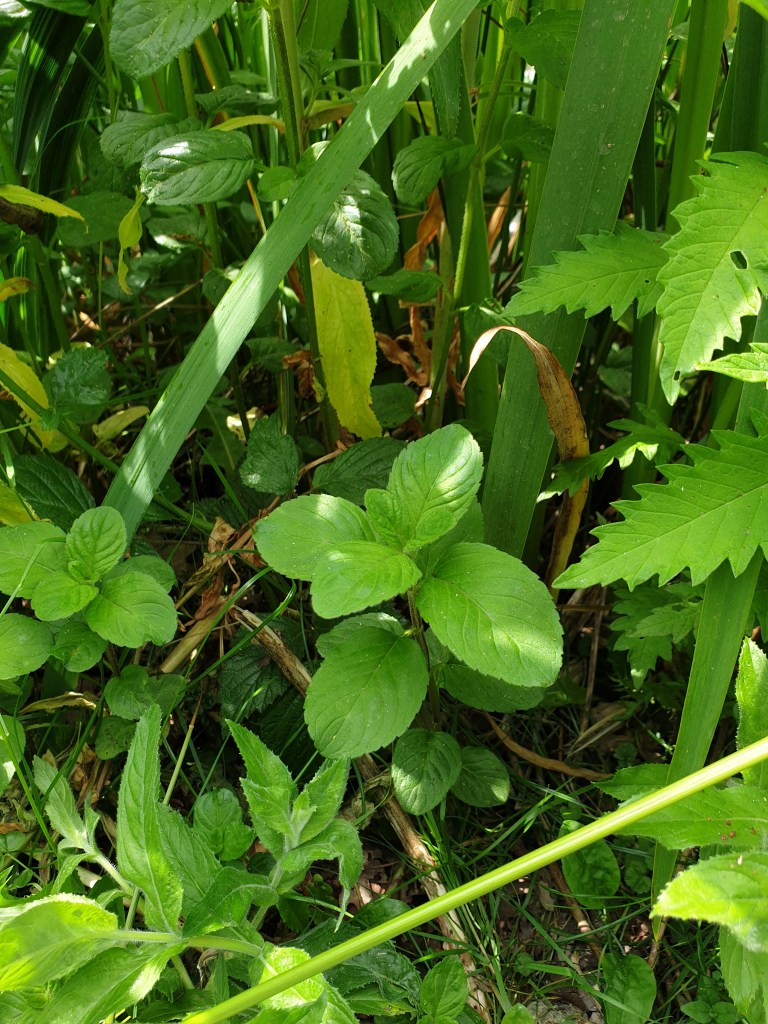
Normally associated with cultivated herb gardens, Mint grows wild and along the banks of my local pond it grows in small clumps.

You can tell a Mint plant by its oval leaves and by rubbing the leaves a mint smell on your fingers.

Mint is one of those well used ingredients for cooking and pharmaceutical products, from Menthol to Mint Sauce.

If your growing Mint in your garden, its advised to grow in a pot or container as it can be quite invasive if not kept under control.

30 Days Wild 2021 – Day 18 – Nature Walk – Bramble/Blackberry

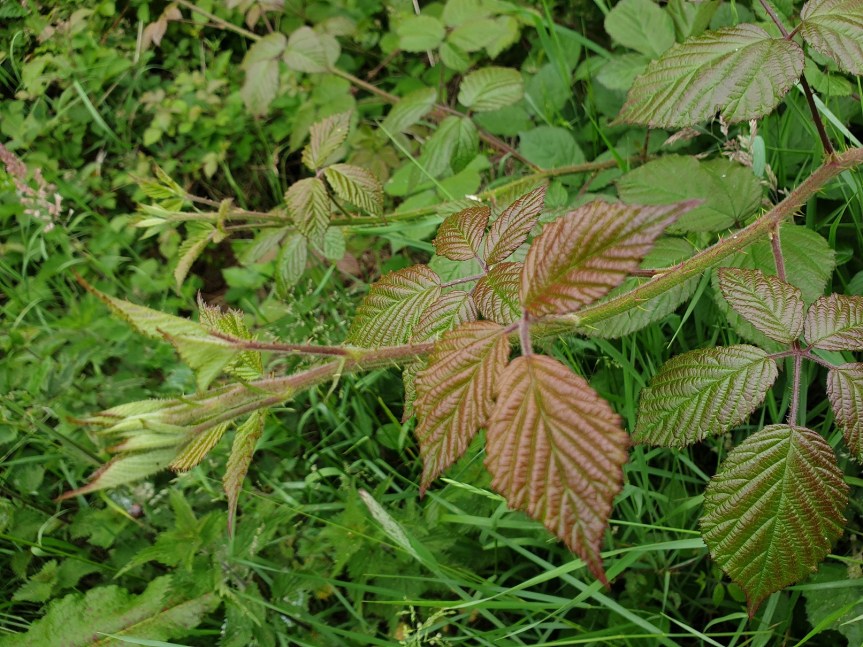
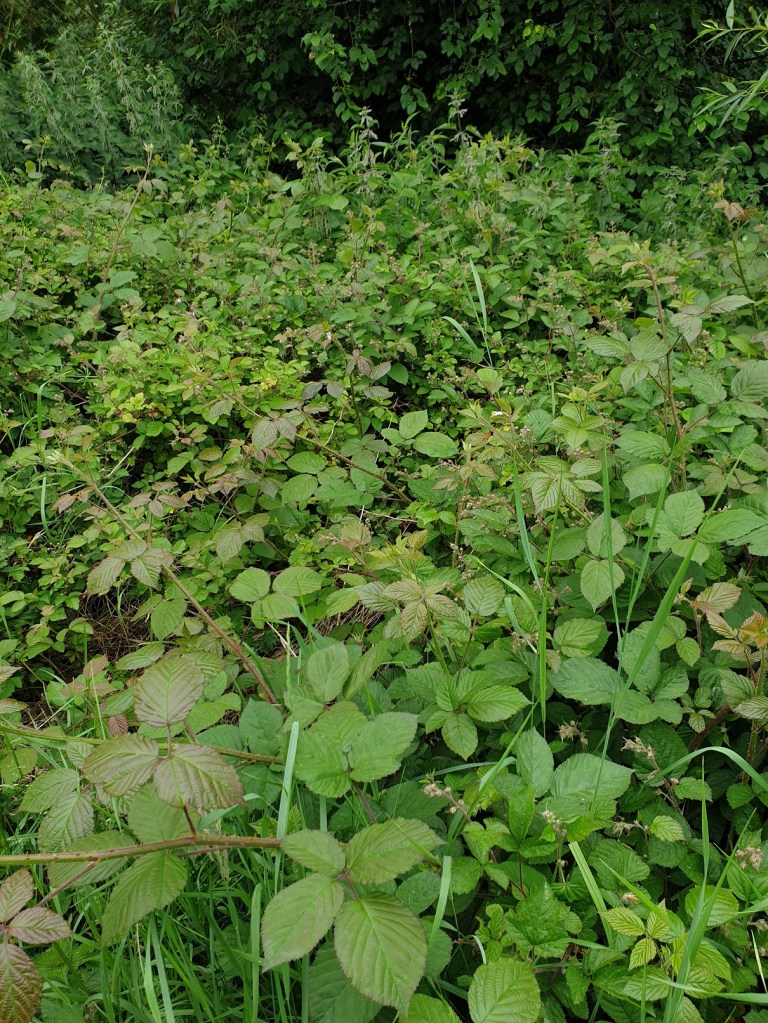
The humble Bramble/Blackberry (Rubus fruticosus) is a staple plant of many hedgerow and thicket. Its distinctive thorny creeping tendrils flowering with white flowers during the summer and rich tasty fruit in the autumn provide a source of food for a wide variety of animals, birds and humans.

The thorny bush of the Bramble can produce blackberries, raspberries, or dewberries. In this case the Brambles in the photos produce Blackberries.

The Bramble is a hardy plant and once established it can take root and become hard to remove for gardeners. In the wild, the Bramble grows in every direction covering as much ground as it can with its tendril off shoots and arcs them until they become heavy and touch the ground. At this point roots can form and the Bramble extends again from a secured anchor point.

The Bramble has been used by humans not just as a source of food, but also a source of fibre for rope, baskets and fabrics.

Another great plant from nature.

30 Days Wild 2021 – Day 17 – Nature Walk – Elderberry

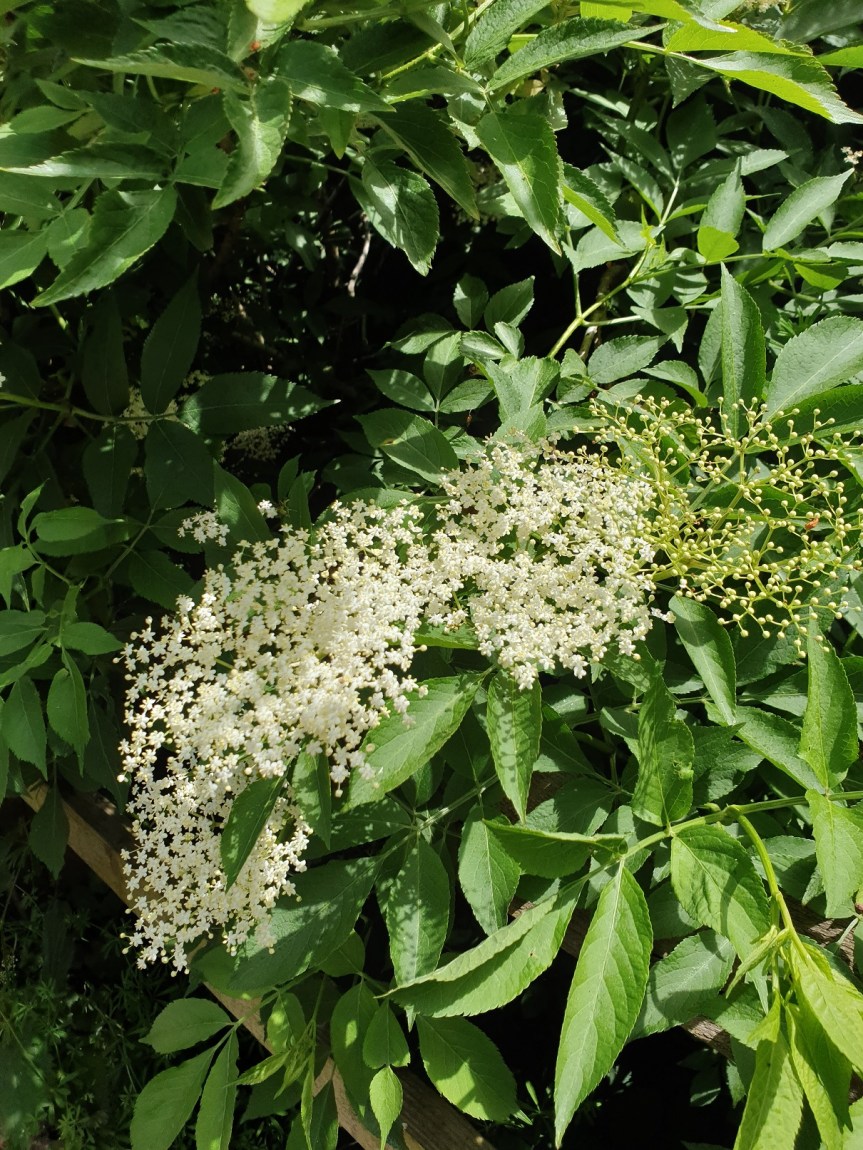
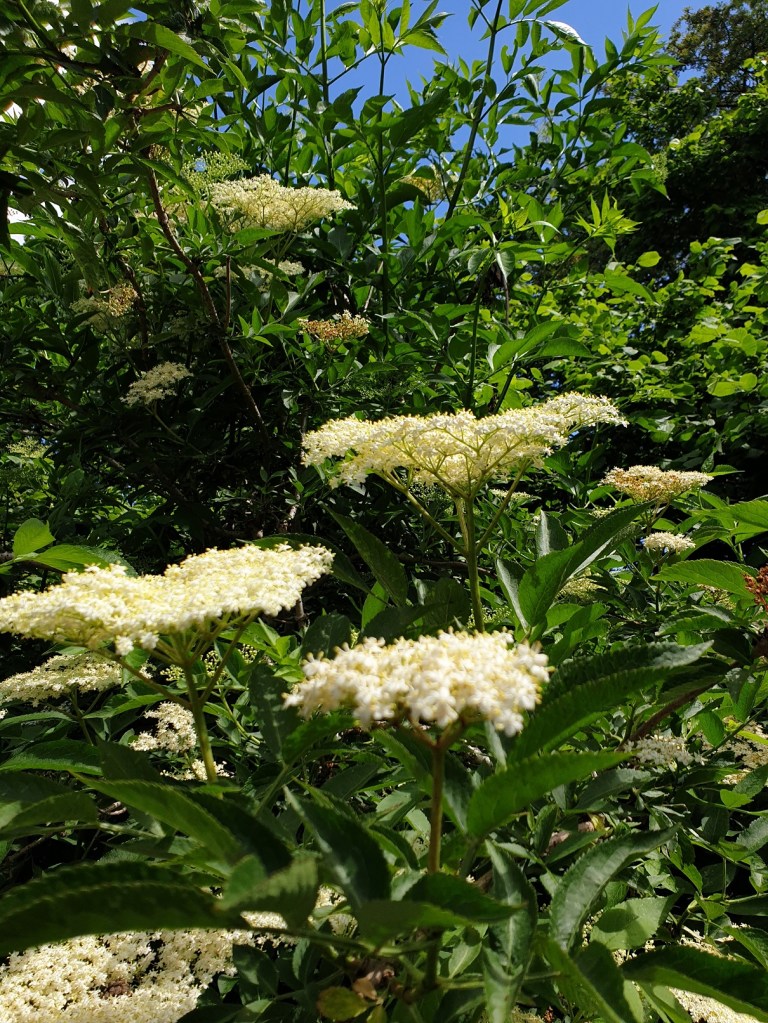
At this time of year the Elder (Sambucus nigra) is a common sight along paths with its white flowers (elderflowers) in full bloom.

A haven for insects and bees to feed on. Also the time to gather the flowers to make a refreshing elderflower cordial drink. Only take what you need though and forage responsibly and within the law.

The autumn sees the flowers turn to berries which are a good source of food for birds and again can be foraged for a number of fruity recipes – especially Elderberry Wine.

Care must be taken in identifying this shrub correctly and you should not consume raw elderberries without any prep as they can cause may cause nausea, vomiting, and severe diarrhea. Research is recommended.

This is a favourite shrub in a hedgerow due to its many uses and foraging.