30 Days Wild 2021 – Day 16 – Garden – Nettles

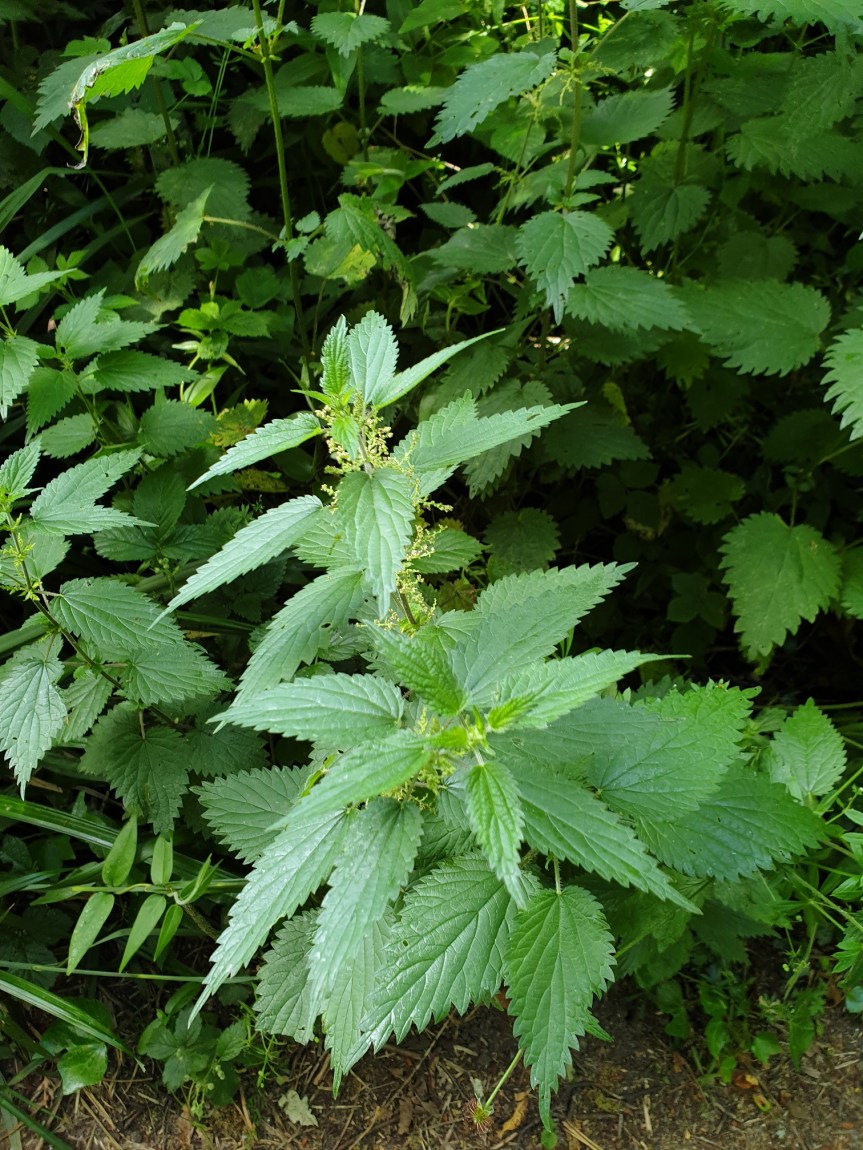
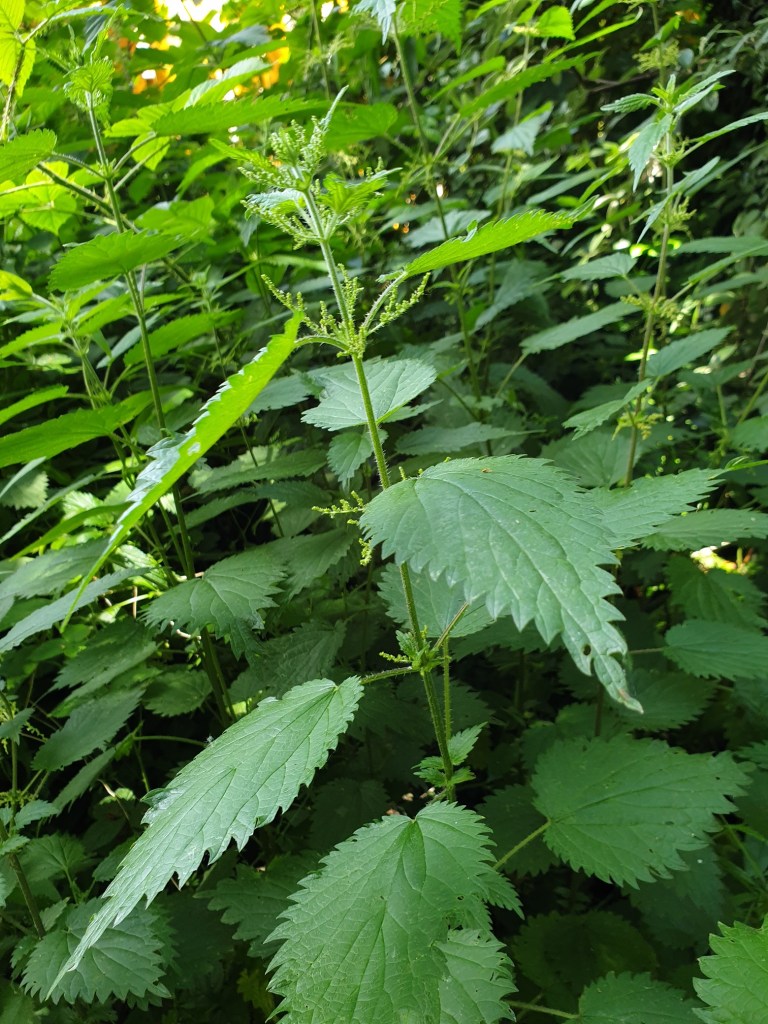
The good old Nettle or Stinging Nettle (Urtica dioica). Some people hate them, some love them. I am in the latter camp and the Nettle is a great part of any landscape.

A plant that butterfies love and live on to being a culinary plant for use in the kitchen.

Butterflies that use nettles are commonly:

There are also a number of Moths that also make the nettle their home.
Here are 10 uses for the Nettle from Gardeners World that are worth checking out:

  • A hearty nettle soup
  • Spring greens
  • Reviving nettle tea
  • Nettles help butterflies
  • Nettle beer
  • Nettle liquid feed
  • Nettles as aphid trap
  • Nettles for ladybirds
  • Nettles as soil indicator
  • Nettles on the compost heap

As with all plants and foraging you should eat only in moderation if you have not eaten before and forage responsibly.

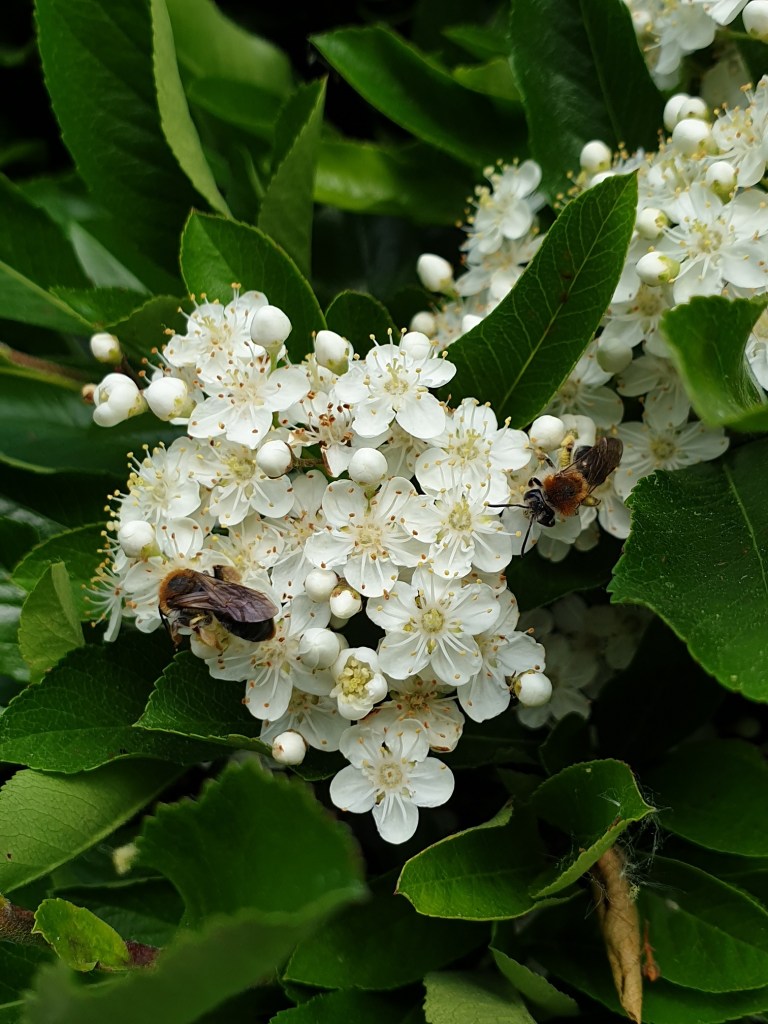
30 Days Wild 2021 – Day 15 – Garden – Bees

This time of year the flowers on our Pyrocantha hedge (also called Fire Thorn hedge) are in full bloom and attracting insects. From Spiders lying in wait for prey to Bees collecting pollen and pollenating the plants as they go.

There are many different species of bees that visit the flowers, from bumble to honey.

The Wildlife Trust have a good guide to bees on their website that can be used to identify them.

So far I have spotted:

Thankfully not many Wasps (Vespula vulgaris)

Bees are in decline due to many factors, but the main one is humans and what we do to the planet. Bees and other pollinator’s play an important roll in the ecology of nature helping nature to flourish and thrive. We need to do more to help protect the bees and their habitats.

You can easily help saving bee’s by planting flowers that attract bees and pollinator’s in your garden. It can be as much as a single plant, but every one helps.

30 Days Wild 2021 – Day 11 – In the Garden – Green Orb-Weaver Spiders

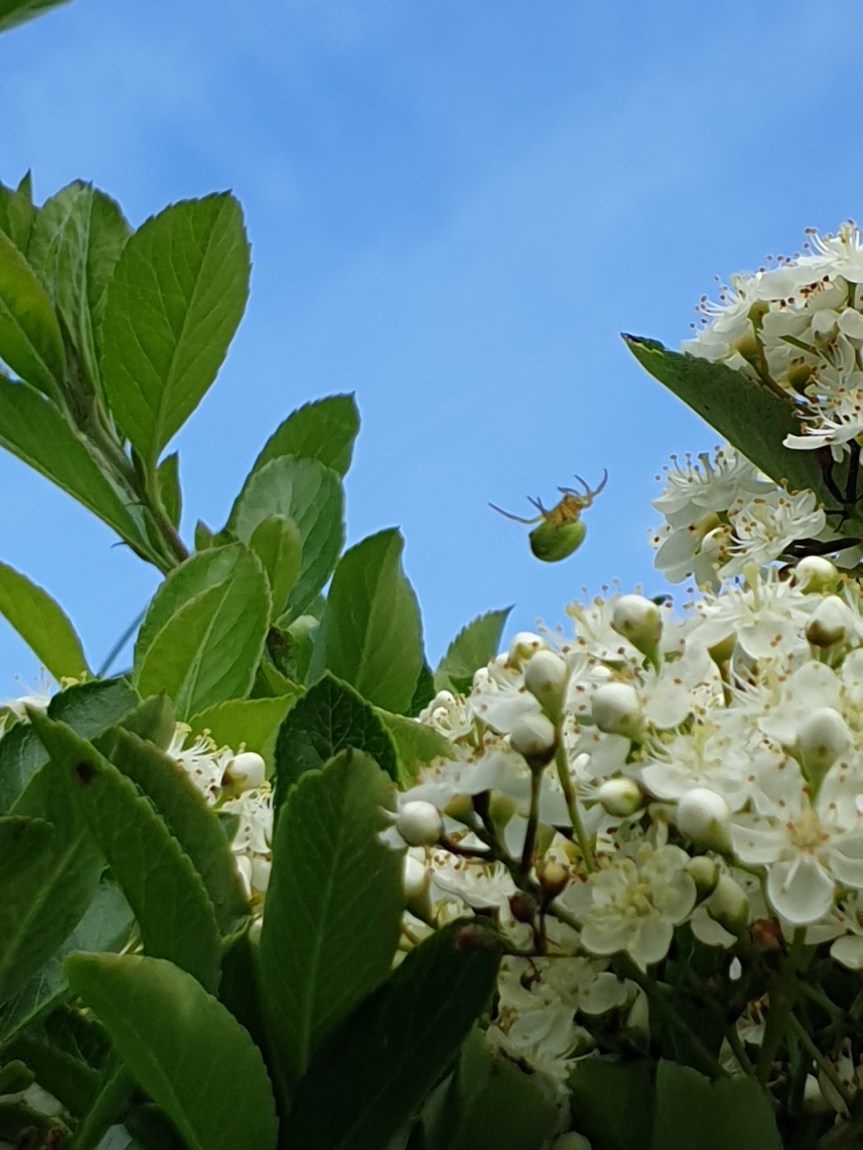
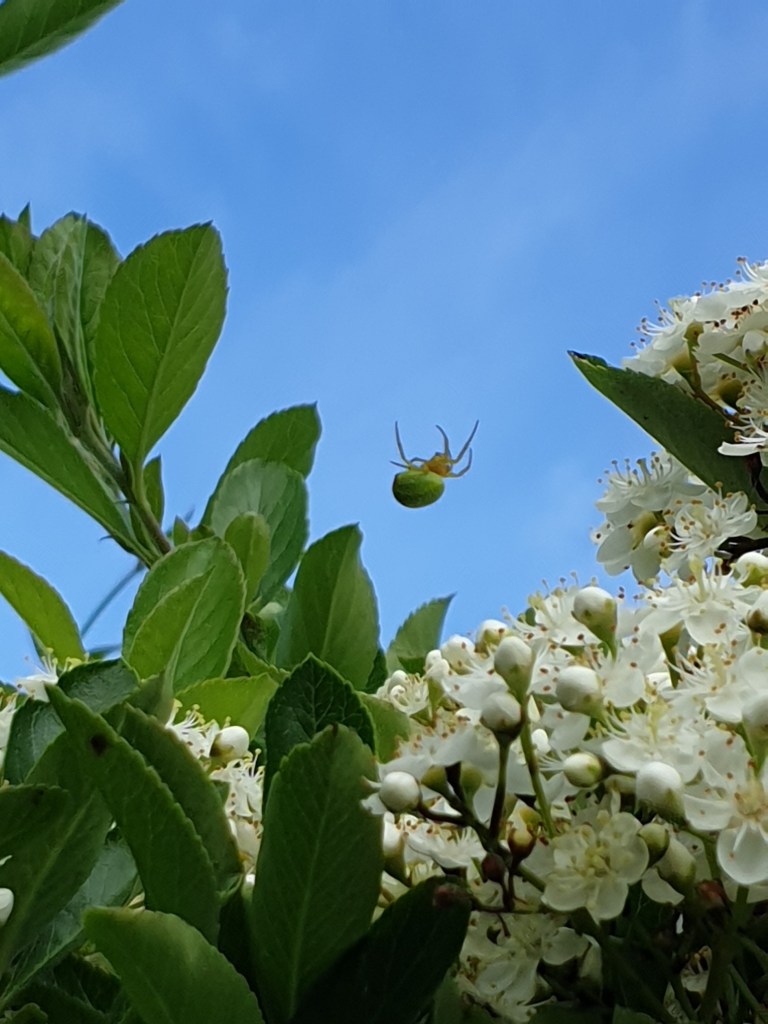
In the Garden this evening (Bit later with writing the blog post today), came across a Green Orb-Spider (Araniella cucurbitina) busy between the leaves on my Pyrocantha also called Fire Thorn hedge.

A small UK spider at around 6mm found commonly throughout the UK. Identifiable with its green abdomen and green brown body, also known as the “Cucumber green spider”.

Need to do some more research into this spider. Although common, not seen any before. That camouflage works well!

Have you seen one before?