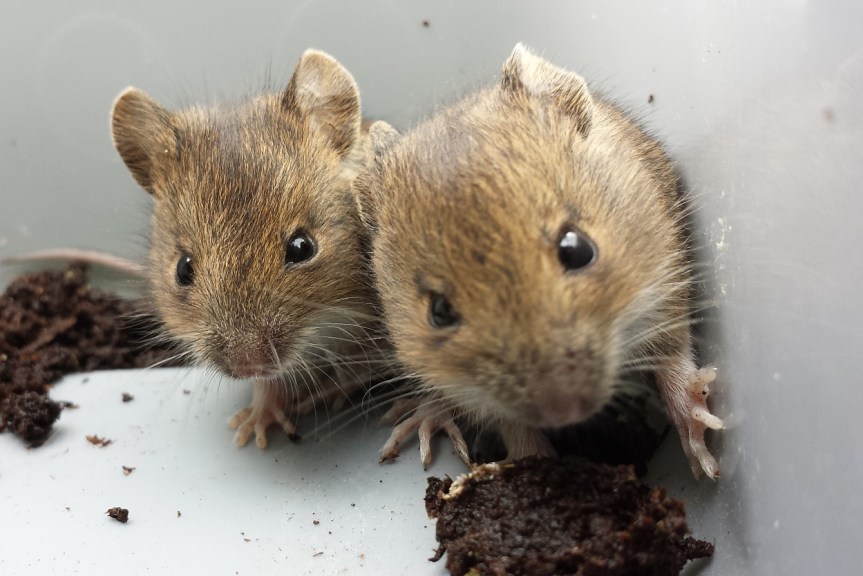
30 Days Wild 2021 – Day 21 – Nature Walk – Wood Mouse

The Wood Mouse (Apodemus sylvaticus) or Long Tailed Field Mouse is a widespread and common mammal that you might spot on a walk or in your garden.

Growing between 8cm and 10cm long and weighing between 23g and 25g, the typical Wood Mouse lives for around 1 year.

A female can have a litter of 4-8 and up to 6 times a year, which makes for a lot of mice! The circle of life though means that the Wood Mouse has a lot of predators such as birds of prey, foxes etc. One of the reasons that they are mainly nocturnal, although you may be lucky enough to spot one in the daytime.

They feed mainly on seeds from trees such as oak, beech etc and will change to berries and fruits when available in the later months of the year.
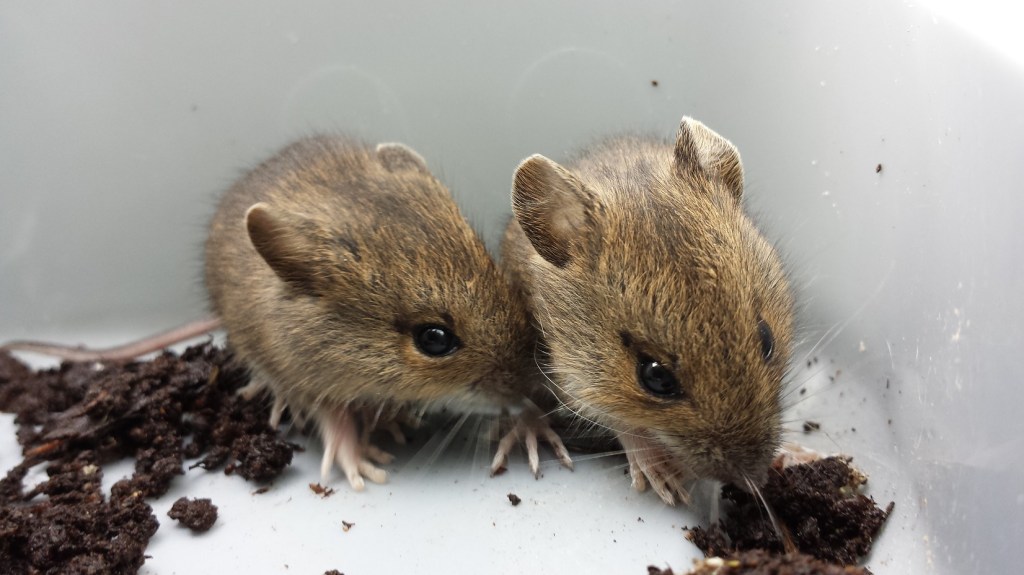
These two scamps (in the picture) were in my compost bin making a nice nest. Unfortunately for them I needed the bin contents, so they were relocated to some nice woodland to make a new home.
30 Days Wild 2021 – Day 20 – Ponds/Lakes – Ruffe

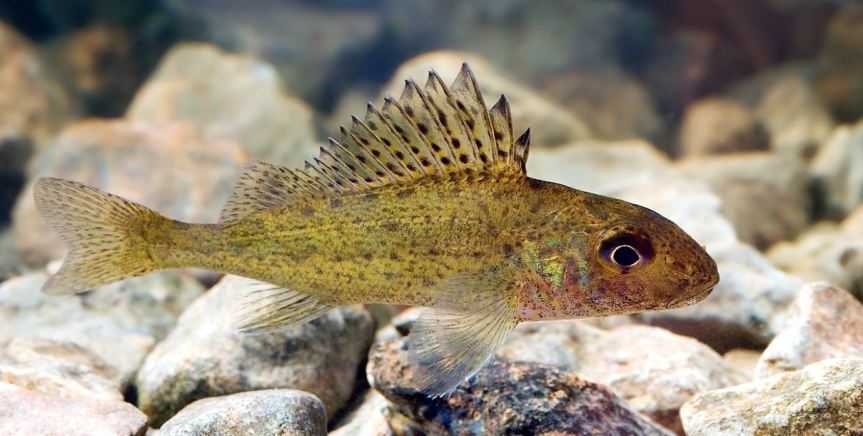
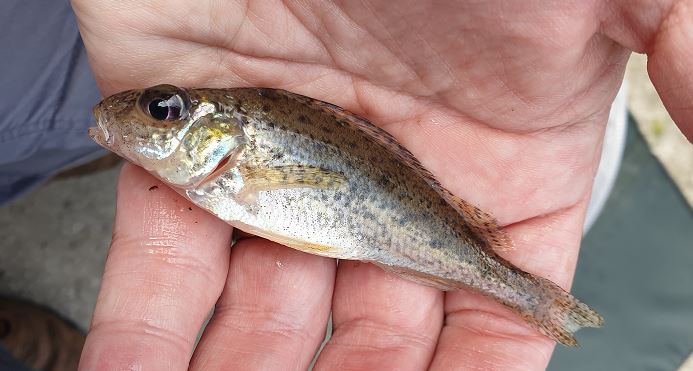
The Ruffe (Gymnocephalus cernuus) was a fish that I wasn’t really aware of until I caught one at the weekend during one of my fishing trips. After doing some research into this fish, its surprising what you find out.

Sometime referred to as Pope or Tommy Ruffe, the Ruffe is related to the Perch and is often mistaken as a Perch by Anglers who have not seen one before.

A shoal fish that likes slow waters such as canals, lakes and some slow rivers, it can grow as big as 25cm, but normally found around 10cm (ish).

In some areas of the world, the Ruffe is causing some issues, such as in Lake Superior in the US and Loch Lomond in Scotland, where it is having an effect on the ecology of the lake eating larvae, small aquatic bugs and fish eggs of other spawning species. Its a fast breeder with a single female laying between 130,000 to 200,000 eggs a year.

Like the Perch its important to watch the spikey dorsal fin when unhooking and returning to the water.

30 Days Wild 2021 – Day 17 – Nature Walk – Elderberry

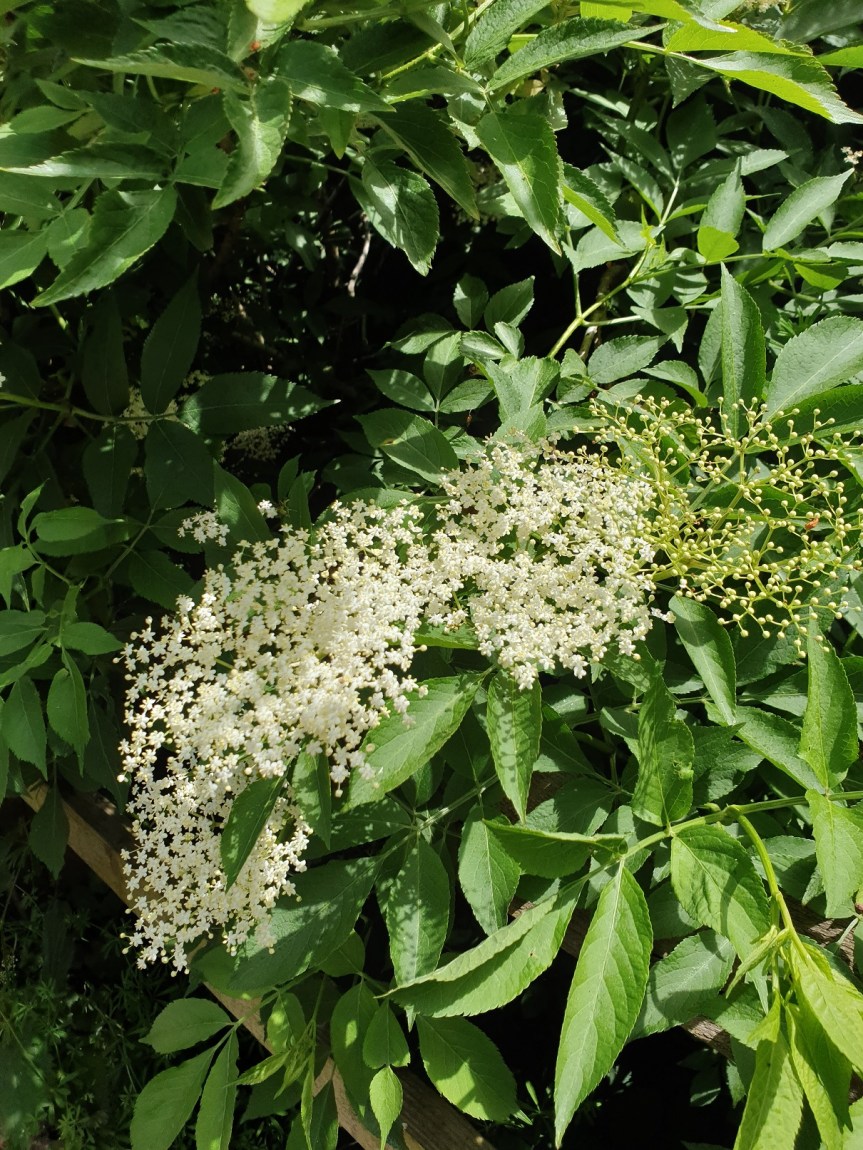
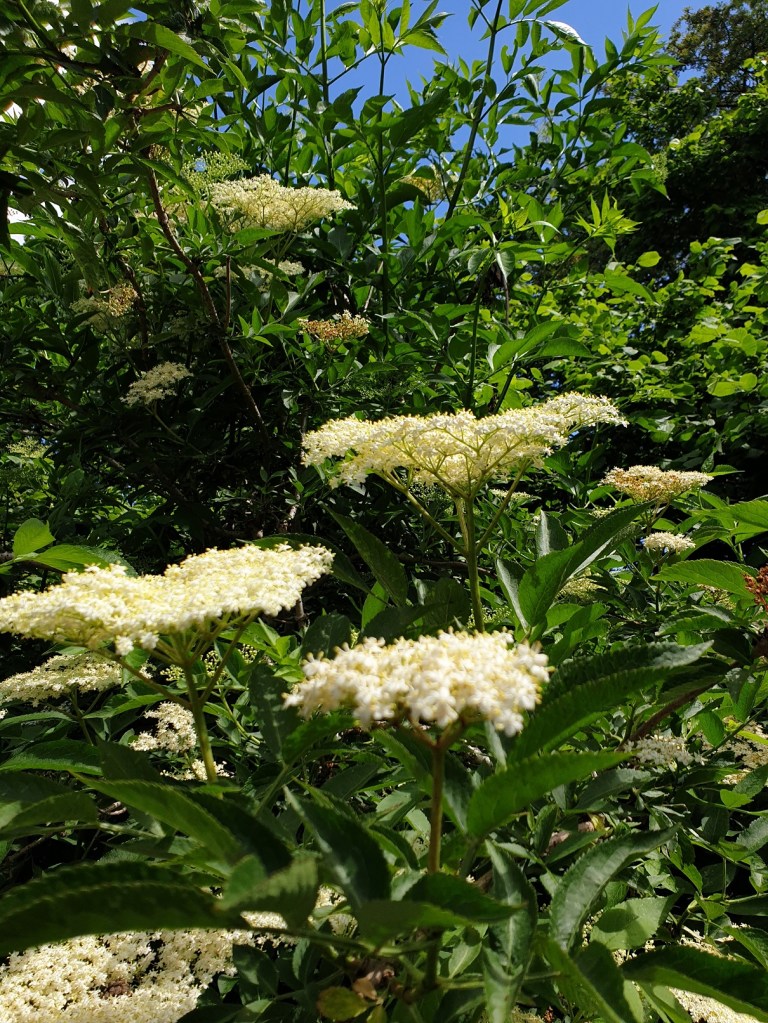
At this time of year the Elder (Sambucus nigra) is a common sight along paths with its white flowers (elderflowers) in full bloom.

A haven for insects and bees to feed on. Also the time to gather the flowers to make a refreshing elderflower cordial drink. Only take what you need though and forage responsibly and within the law.

The autumn sees the flowers turn to berries which are a good source of food for birds and again can be foraged for a number of fruity recipes – especially Elderberry Wine.

Care must be taken in identifying this shrub correctly and you should not consume raw elderberries without any prep as they can cause may cause nausea, vomiting, and severe diarrhea. Research is recommended.

This is a favourite shrub in a hedgerow due to its many uses and foraging.

30 Days Wild 2021 – Day 13 – Ponds/Lakes – Pike

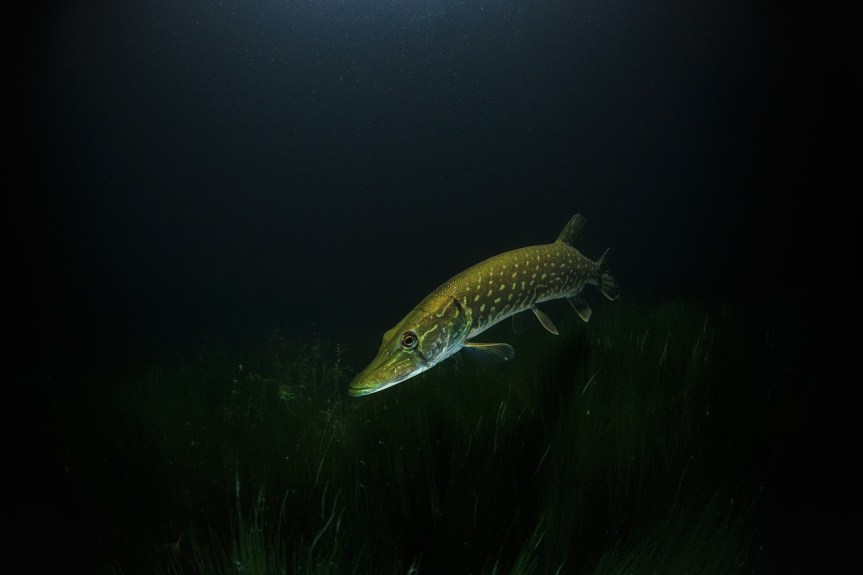
Following on from yesterdays post about Coots, today I’m looking at the Pike (Esox), which has most probably eaten a couple of the Coots babies as they paddled around on the surface. To a Pike the dark silhouette of something small making some splashing patterns is easy prey. They have also attacked people before – Man attacked reaching from sunglasses after they have fallen into a canal.

Don’t panic though and “We won’t need a bigger boat!“. As an angler, this is a fish that deserves respect and definitely care when handling as these fish can be big and do have some sharp teeth. They are strong and can easily thrash about when caught and its one to learn how to handle them before going to catch one. After care is essential!

Pike live in ponds/lakes, canals and rivers and are one of the top predators of the water. They belong to a genus called “Esox”. The Pike that live in the UK are Northern Pike (Esox lucius) and grow to around 50cm.

There have been some record Pike caught measuring up to 150cm and weighing around 28kg.

Pike can breed from the age of 2, and Pike have been known to change sex if there are only males in a water.

Where food sources are scarce Pike will turn to cannibalism and eat other Pike for food. Newborns start with small prey such as daphnia and then as they grow, they move to bigger prey. Large Pikes have been seen to take an adult duck.

They glide effortlessly in the water and will use bursts of energy to chase down any prey the sight. Certainly one of the top predators in UK waters.

30 Days Wild 2021 – Day 9 – Ponds/Lakes – Water Iris

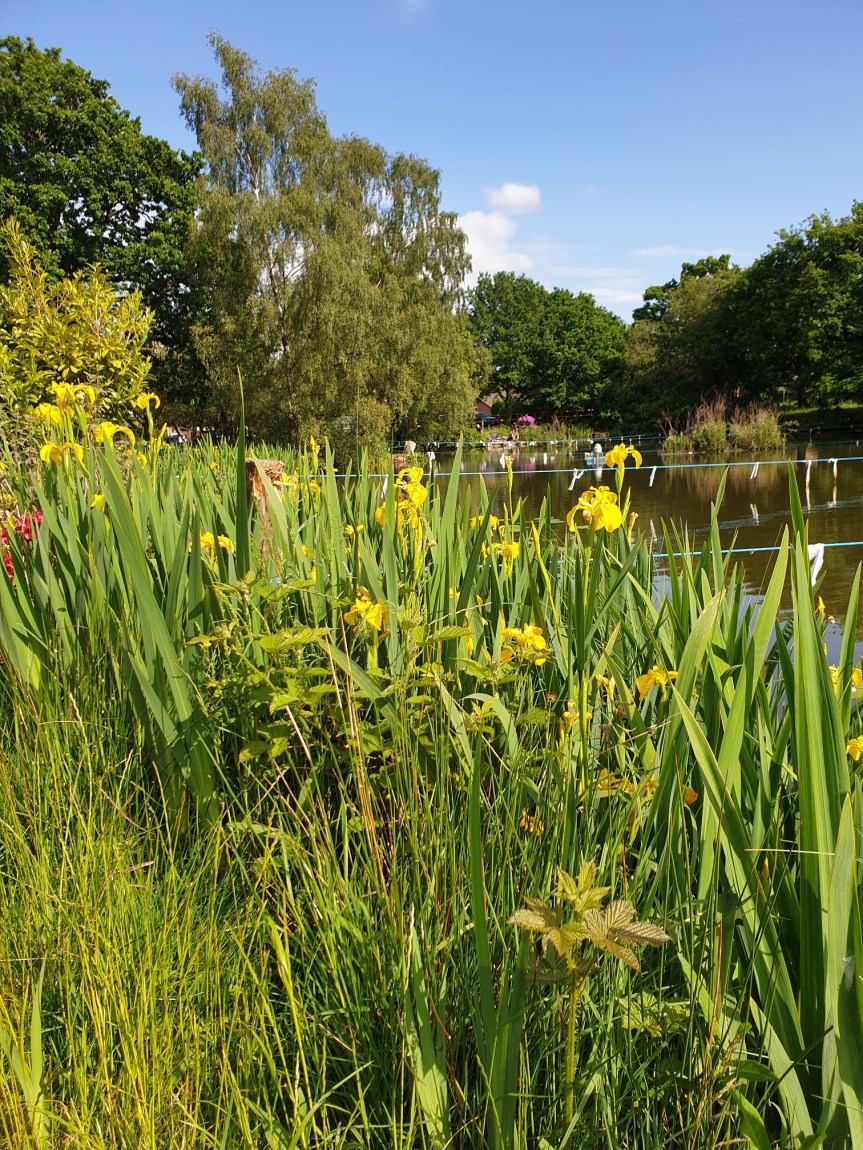
There are many species of Iris, an in the Water Iris area, again a lot of different species. For this blog post I am looking at the one that I see the most around Ponds/Lakes local to me which is the Yellow Flag Iris (Iris pseudacorus).

As you can see from the picture, it is growing in abundance at the local Pond/Lake.

This is a herbaceousperennial plant which flowers with a bright yellow flowers (up to 10cm in width) in the Spring. An Iris can grow between 100cm and 150cm tall and grows from a rhizome (root that runs horizontally in the ground). Due to the rhizome the Yellow Flag Iris can spread quickly along a bank of a pond/lake.

Once the flowers die away, they reveal a seed pod which can produce water-dispersed seeds which also allow the plant to spread.

It thrives in wetlands and banks along water.

If you keep one of these in your own pond you should repot or thin out every 2-3 years due to its growth spread.

The thick Iris provides a great habitat for insects, arachnids, dragon flies etc that live near to and along the waters edge.

At this time of year its great to see the banks thrive with the yellow colours provided by the Iris and thrive with wildlife that make it home.