Nature Apps – 30 Days Wild (Day 19)

AppThere are a number of mobile apps that you can install on both Android and iOS phones. These cover a majority of topic areas from plants and trees to insects and animals.

I have recently been using a few of these whilst out and about and in the garden. They are okay, but do not always get things right so its always worth double checking an id of something if you are unsure.

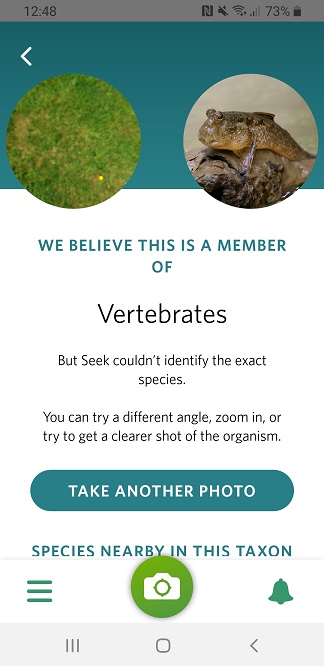
A good app to use if you are starting out with one is Seek which has a number of challenges for you to try and complete by finding different nature and wildlife around.

As you can see from the picture though they can’t always be reliable!

Would I trust an app whilst out say foraging? Well not as my primary means of ID.

That said, these apps do help you get out and enjoy nature, so download one today and see what you can identify.

Make a Nature Journal – 30 Days Wild (Day 18)

leaf JournalWriting a Journal about nature and wildlife an what you have seen is a great way of  proving a look back at your experiences and adventures.
I have been keeping a daily journal for a while now (10 years or so) and have not really got into adding drawings. So I have been looking into how to do this.

There are some great examples of nature journalling and I have been recently watching some of John Muir Laws youtube videos on how to draw nature.

The 1st to 7th June was International Nature Journal Week and at https://www.naturejournalingweek.com/ there are lots of resources and videos to help get you started or give you ideas for your current journal.

Here is the programme from the event and links to the different subject categories that were covered:

There are also groups such as https://www.facebook.com/groups/naturejournalclub/ that can provide inspiration if this is something you want to do. A great way of look at what others are doing.

Remember a journal does not need to be perfect. Its your creation and creativity so make it how you want it.

Will you start a Journal?

Follow a Stream – 30 Days Wild (Day 17)

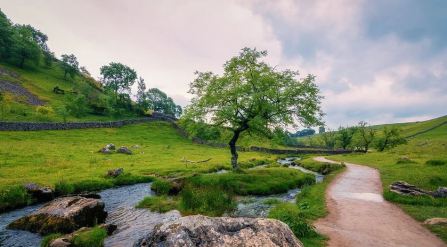
streamStreams provide a natural habitat for an abundance of wildlife and nature. From the common everyday species of plants and animals that we know to those that are less well known.
Walking a long side a stream is not only a good way to see nature, but also a great way to relax and unwind. There is something about the sound of a babbling brook or small waterfall that certainly helps me unwind.

Taking in the suroundings and walking quietly down a wooded stream, its great to see the dart of bright blue and orange along the edge of the water as a kingfisher hunts for its next meal. A heron standing in the water still as the trees around it, patiently awaiting an unsuspecting fish to swim near by.

Trees and plants alongside the path and river bank providing homes and roosting places for animals and birds. There are too many to list here, but lots to see and try and identify and learn the names of.

There are many streams that can easily be walked along side due to a path or right of way. I would encourage you to take a wander and follow a stream for a bit and see what you can discover and unwind from the pressures of every day life. Where will your next walk take you?

Birds – 30 Days Wild (Day 16)

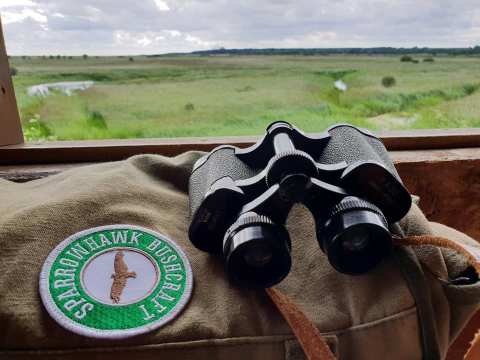
BirdwatcherThe most common birds that you will see often are those that visit your garden, park or area.
There are around 620 species of birds in the UK and these can be categorised as Passerines or Non Passerines. Ill leave you to read up on those rather than get into here.

Each Garden or space will have regular birds or those that are just passing, maybe migrating. One way to find what is around your area is to look at the results from the RSPB Big Garden Bird Watch that happens every year.  This is something that you can do when its on and spend an hour recording what comes into your garden and not just birds are recorded either.

What birds have you seen today?

Here are some examples of the birds in the categories. More are available at the the link (source: https://en.wikipedia.org/wiki/List_of_birds_of_Great_Britain)

Non-passerines:

  • Ducks, geese and swans
  • Grouse, Pheasants, partridges and quail
  • Gannets
  • Cormorants
  • Frigatebirds
  • Bitterns, herons and egrets
  • Buzzards
  • Osprey
  • Falcons
  • Oystercatchers
  • Avocets
  • Plovers and lapwings
  • Gulls, terns, and skimmers
  • Pigeons and doves
  • Cuckoos
  • Owls
  • Woodpeckers

Passerines

  • Crows and allies
  • Tits
  • Bearded tit
  • Larks
  • Swallows and martins
  • Long-tailed tits
  • Nuthatches
  • Treecreepers
  • Wrens
  • Starlings
  • Dippers
  • Thrushes
  • Sparrows
  • Wagtails
  • Finches

Life on a Rose – 30 Days Wild (Day 15)

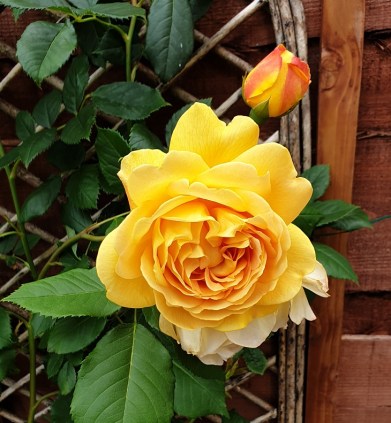
RoseThe Rose is a feature of many gardens with it large blooms of flowers with sweet fragrances, green leaves and thorny stems, but look closer and there is an ecosystem of insects that make the rose their home.

Many a gardener will know of the damage that certain of these insects can do to the plant and are not their favourates such as Aphids.

The Aphid comes in many different colours and are winged and wingless. Their lifecycle can be lived out on a rose plant overwintering as eggs and emergining in the spring.

If you have an Ants nest near by, the ants will be visiting the rose not to eat the aphids, but to farm them. Aphids live on the rose by sucking the liquids out of the rose and secrete a liquid called Honeydew. The ants use the Honeydew as food and farm the ants for it. Ants can be seen moving aphids around a rose or even to a different rose in the same way a farmer would move sheep or cattle from one field to another so they can feed on a fresh pasture of grass.

Nature is at hand to help keep the aphids under control with a set of preadators:

  • Ladybirds
  • Hoverfly larvae
  • Lacewing larvae
  • Midge larvae
  • Parasitic wasps
  • Ground and Rove Beetles

Have a look at the plants in your garden. What eco systems are in play?