30 Days Wild 2021 – Day 13 – Ponds/Lakes – Pike

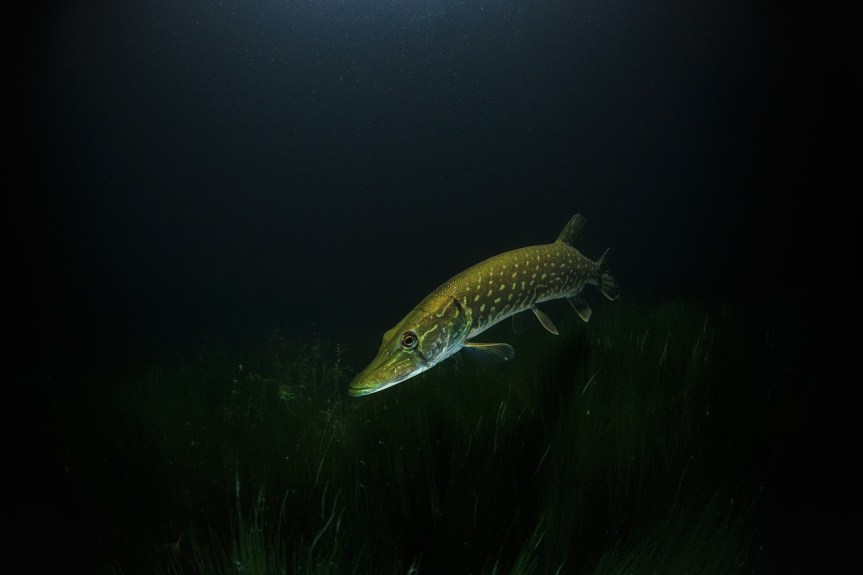
Following on from yesterdays post about Coots, today I’m looking at the Pike (Esox), which has most probably eaten a couple of the Coots babies as they paddled around on the surface. To a Pike the dark silhouette of something small making some splashing patterns is easy prey. They have also attacked people before – Man attacked reaching from sunglasses after they have fallen into a canal.

Don’t panic though and “We won’t need a bigger boat!“. As an angler, this is a fish that deserves respect and definitely care when handling as these fish can be big and do have some sharp teeth. They are strong and can easily thrash about when caught and its one to learn how to handle them before going to catch one. After care is essential!

Pike live in ponds/lakes, canals and rivers and are one of the top predators of the water. They belong to a genus called “Esox”. The Pike that live in the UK are Northern Pike (Esox lucius) and grow to around 50cm.

There have been some record Pike caught measuring up to 150cm and weighing around 28kg.

Pike can breed from the age of 2, and Pike have been known to change sex if there are only males in a water.

Where food sources are scarce Pike will turn to cannibalism and eat other Pike for food. Newborns start with small prey such as daphnia and then as they grow, they move to bigger prey. Large Pikes have been seen to take an adult duck.

They glide effortlessly in the water and will use bursts of energy to chase down any prey the sight. Certainly one of the top predators in UK waters.
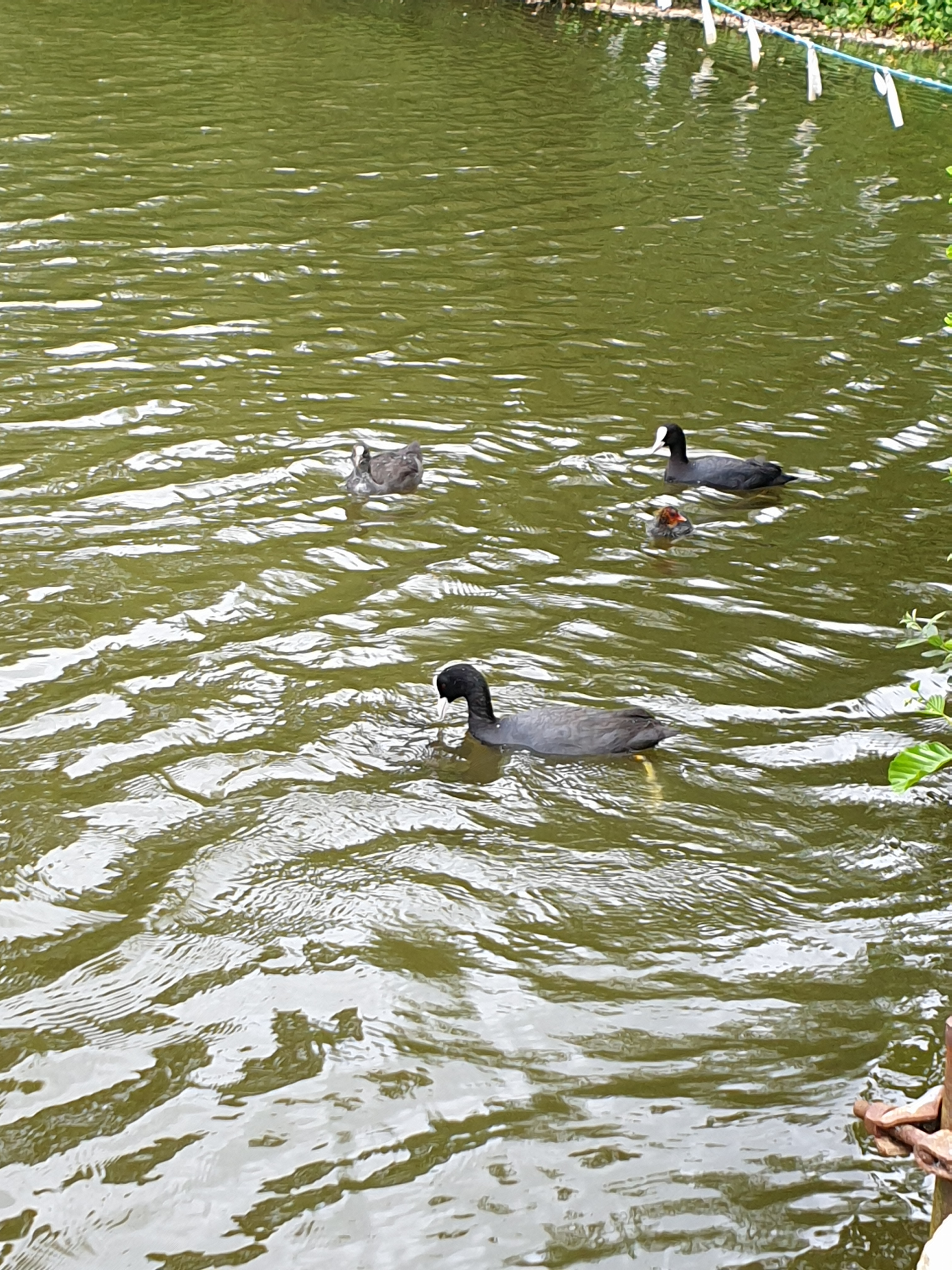
30 Days Wild 2021 – Day 12 – Ponds/Lakes – Coots

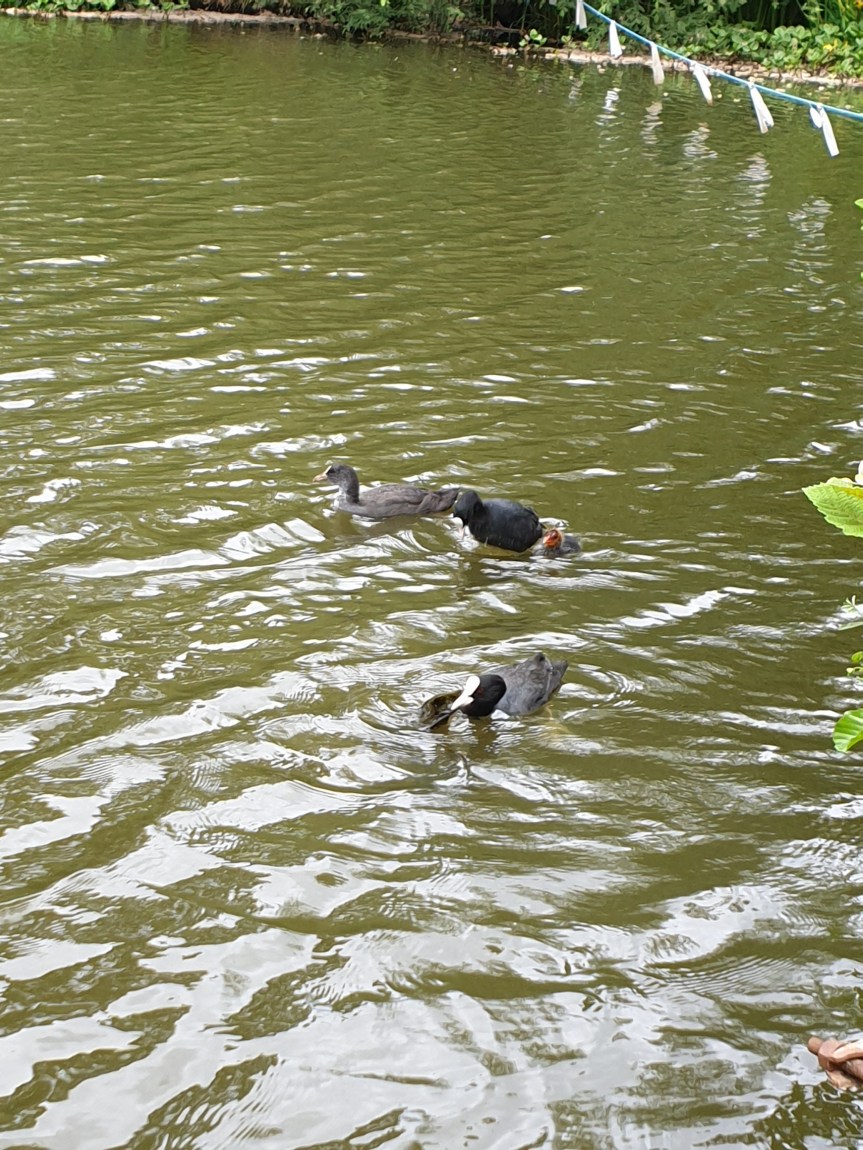
Sitting at the fishing lake today, a family of Coots (Fulica atra) were swimming around. The family were, mum, dad, juvenile and a baby.

Bit sad that there was only one baby with the as last weekend there were 2 others making 3. Thats the circle of life. Possibly taken by predators such as Pike, Heron or Fox. More likely to be a Pike as there are a couple of big ones on the pond/lake.

Coots are a water bird that make their nests in reedbeds or along the banks in cover. At the pond, they make a nest on a floating island so protected from preadators. Until they come out in the open.

The Coot has a distinctive shield white bill marking on the front of their heads.

Hopefully this family will survive as is going forward.

There are other species of Coots that fall under the Genus Fulica.

30 Days Wild 2021 – Day 11 – In the Garden – Green Orb-Weaver Spiders

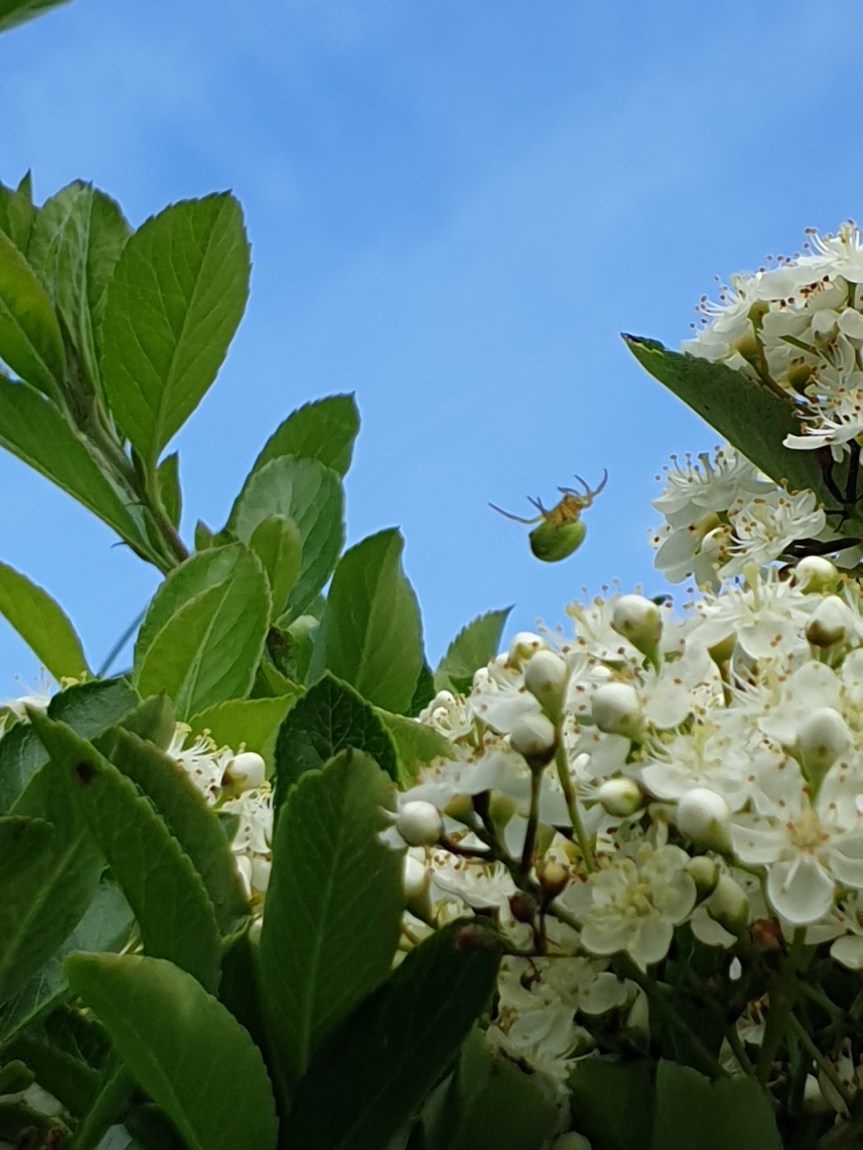
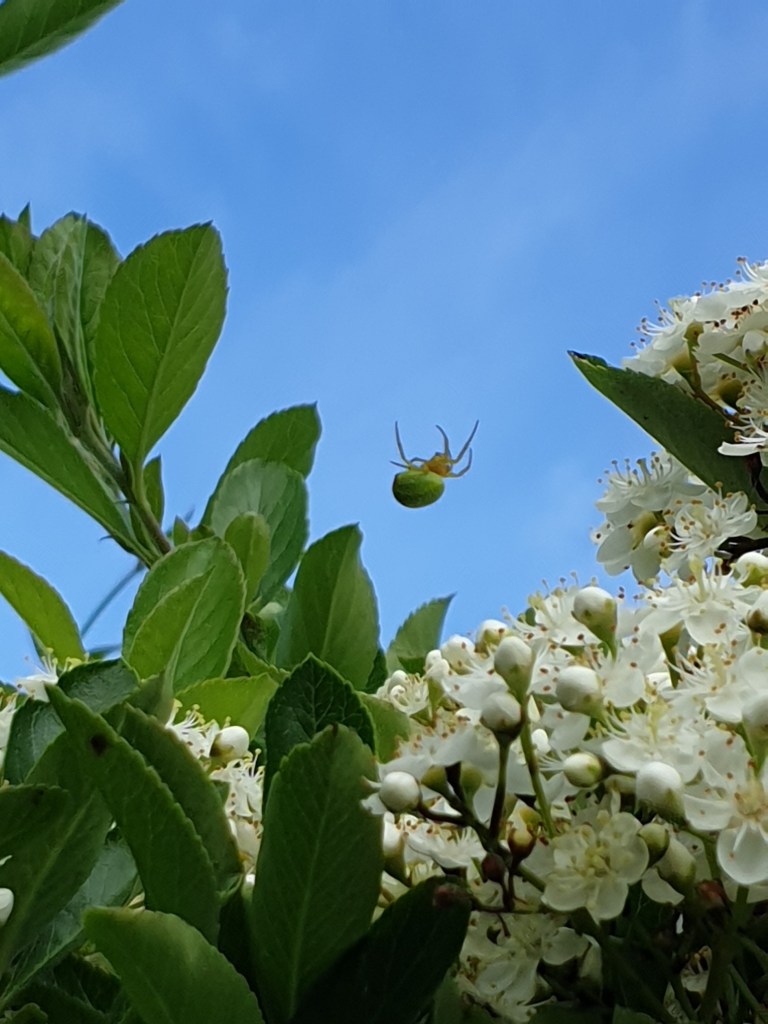
In the Garden this evening (Bit later with writing the blog post today), came across a Green Orb-Spider (Araniella cucurbitina) busy between the leaves on my Pyrocantha also called Fire Thorn hedge.

A small UK spider at around 6mm found commonly throughout the UK. Identifiable with its green abdomen and green brown body, also known as the “Cucumber green spider”.

Need to do some more research into this spider. Although common, not seen any before. That camouflage works well!

Have you seen one before?

30 Days Wild 2021 – Day 10 – On the beach – Sand Dunes

Returning to the beach today to have a broad look at Sand Dunes.

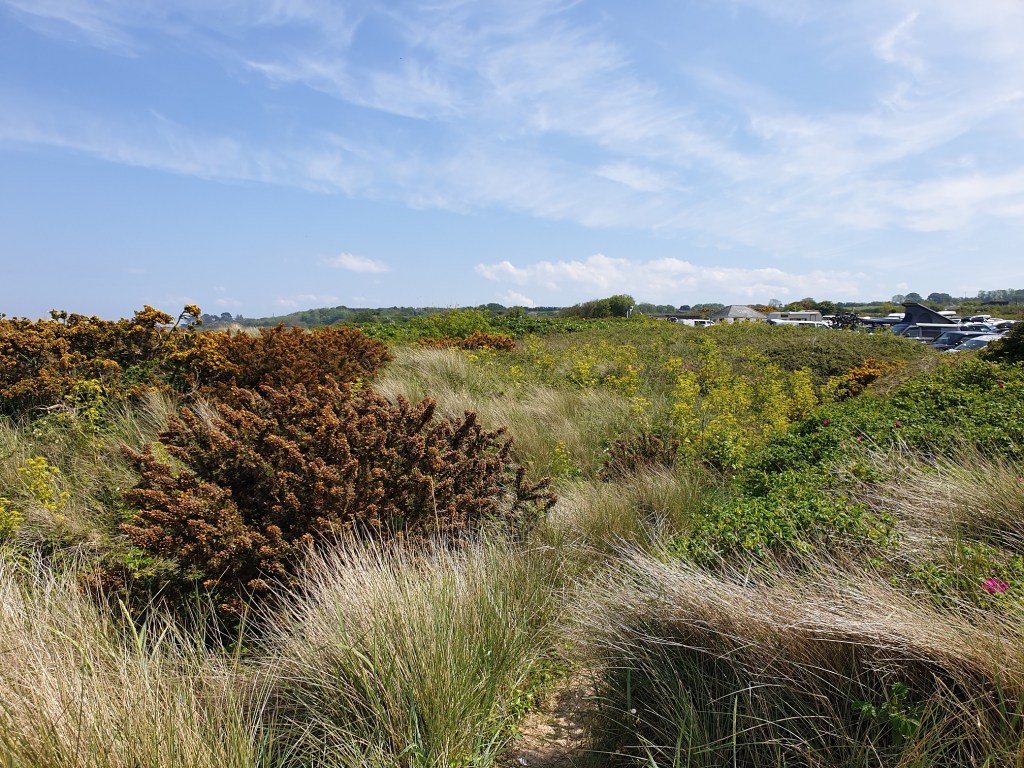
Around the UK you will find Sand Dunes that form small or even large mounds of sand that are bound together with different grasses and plants. Typically Sand Couch (Sporobolus virginicus) and Marram Grass (Ammophila) make up the grass varieties with deep roots that hold the sand together.

Mixing in between the grasses, plants and shrubs also take root and hold the sand dunes together. These all provide a special habitat for wildlife to live from Birds to Reptiles and Insects.

These are special places and there are some protected dunes to keep these habitats safe. When crossing dunes it is important to keep to the paths and not disturb the rest of the dune.

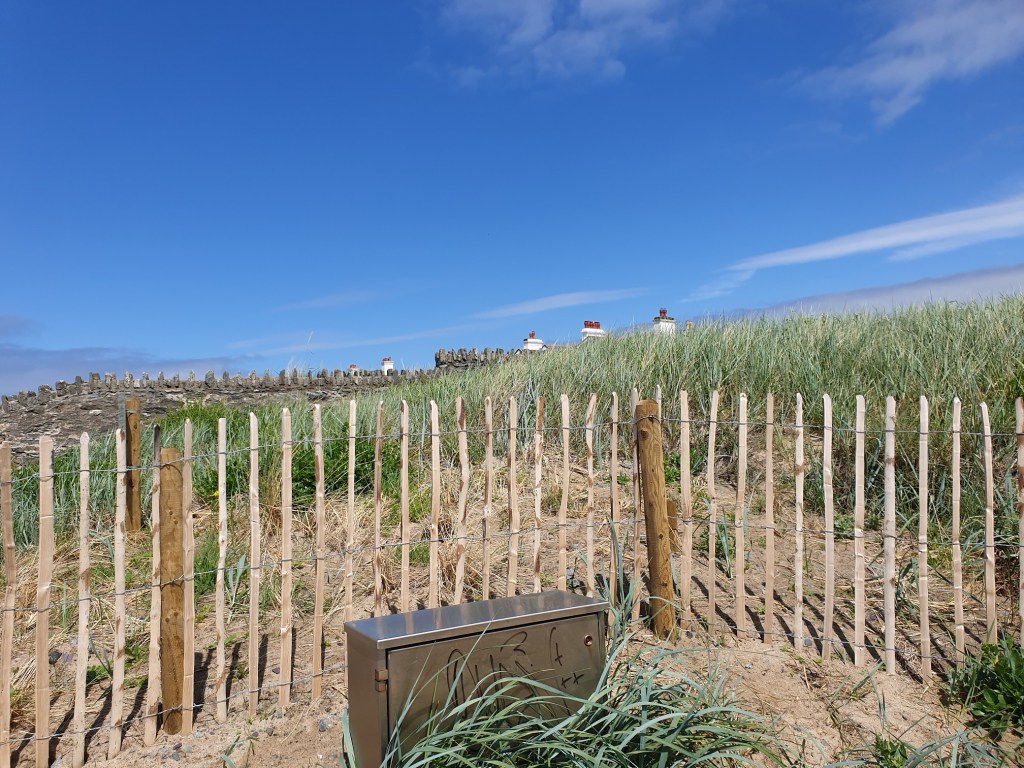
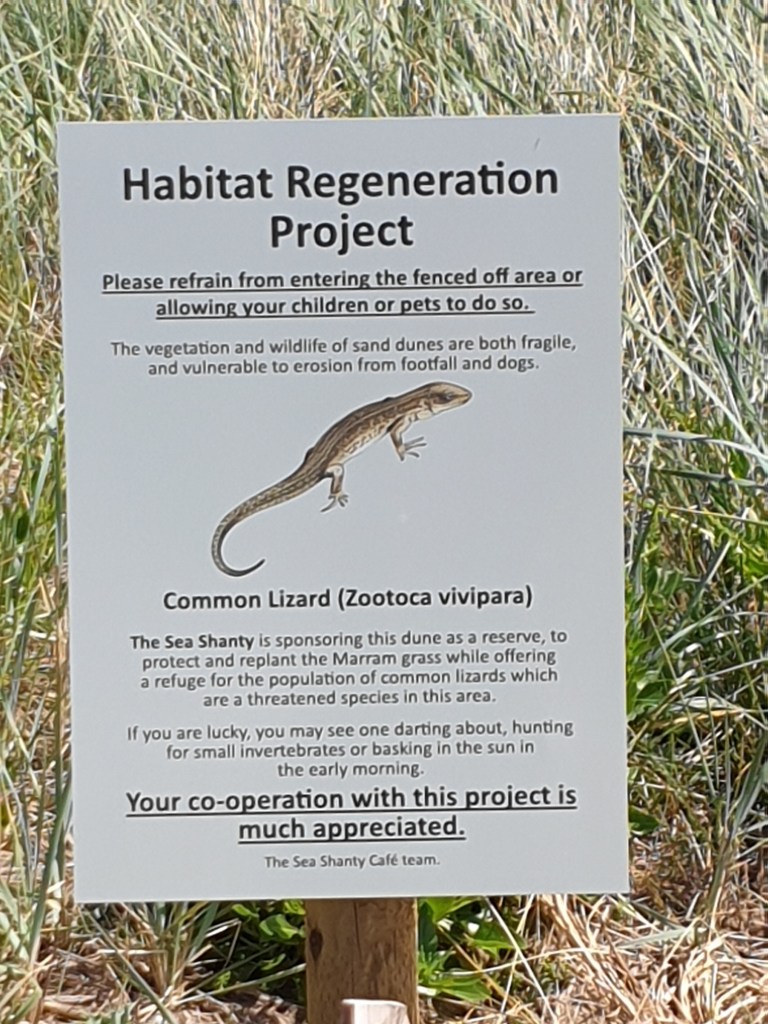
Some area such as the one pictured below in Anglesey is fenced to protect the Common Lizard (Zootoca vivipara), which makes its home and breeds in the dunes.

Most people cross dunes to get from a car park to a beach and often miss the wildlife hidden. Next time you are at some sand dunes, take a moment to stop and look around and see what you can spot. Remember to stay on the paths though!

30 Days Wild 2021 – Day 9 – Ponds/Lakes – Water Iris

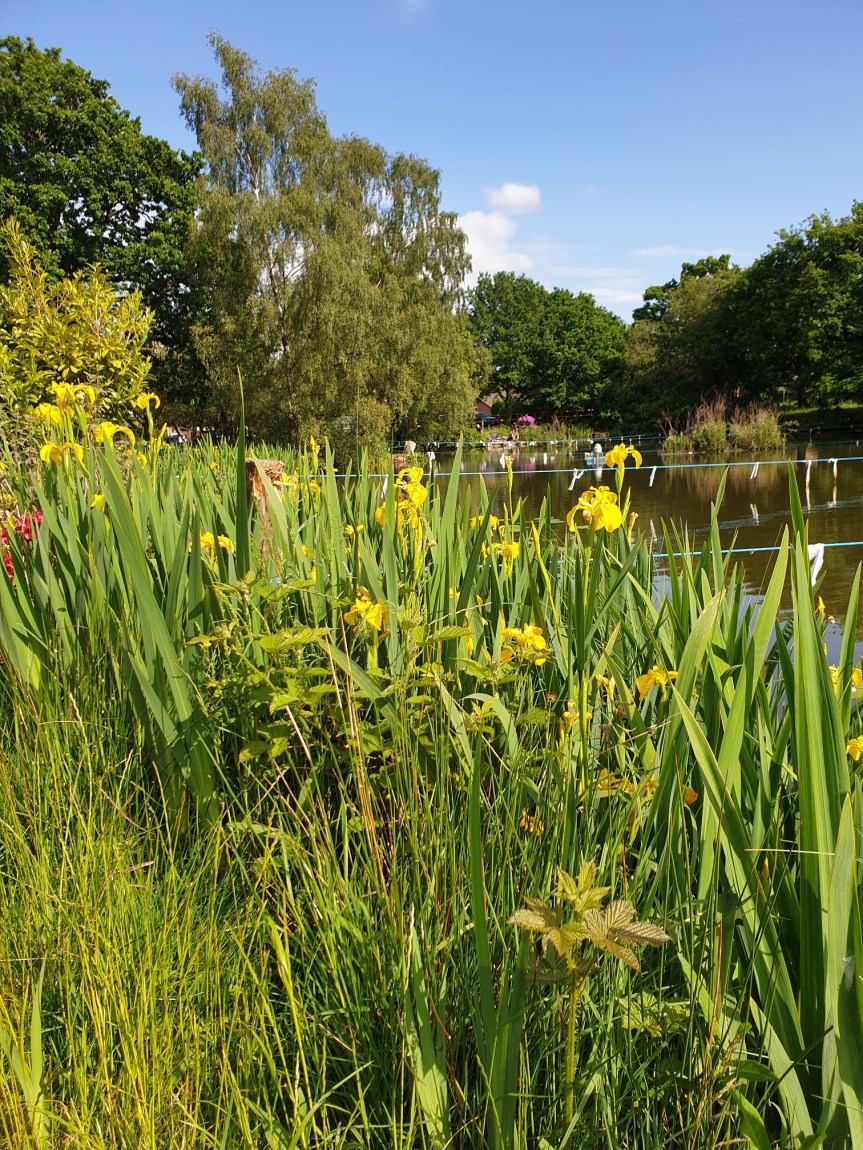
There are many species of Iris, an in the Water Iris area, again a lot of different species. For this blog post I am looking at the one that I see the most around Ponds/Lakes local to me which is the Yellow Flag Iris (Iris pseudacorus).

As you can see from the picture, it is growing in abundance at the local Pond/Lake.

This is a herbaceousperennial plant which flowers with a bright yellow flowers (up to 10cm in width) in the Spring. An Iris can grow between 100cm and 150cm tall and grows from a rhizome (root that runs horizontally in the ground). Due to the rhizome the Yellow Flag Iris can spread quickly along a bank of a pond/lake.

Once the flowers die away, they reveal a seed pod which can produce water-dispersed seeds which also allow the plant to spread.

It thrives in wetlands and banks along water.

If you keep one of these in your own pond you should repot or thin out every 2-3 years due to its growth spread.

The thick Iris provides a great habitat for insects, arachnids, dragon flies etc that live near to and along the waters edge.

At this time of year its great to see the banks thrive with the yellow colours provided by the Iris and thrive with wildlife that make it home.