Nature ID – 30 Days Wild (Day 3)

SnailThere is so much around us to identify in nature that its hard to know everything, but there are animals, plants and nature that you will know the names of and facts about them. To help there are a large number of guides and books available, as well as internet sites.

So many that it can be hard to know what ones to buy and take around to help. Carrying guides can get heavy so having the right type with you can help if you want to do identification in the field.

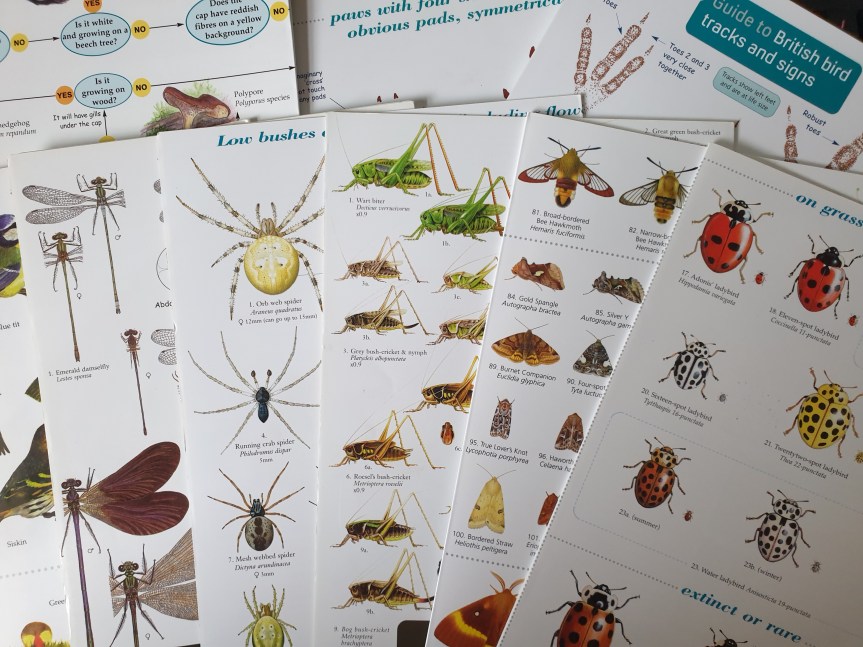
When I am out looking at nature I will usually have a book or two with me – such as wildflowers or trees. However to save some weight and bag space I have been using id charts from the Field Studies Council.

The fold out charts cover a wide range of animals, plants and nature and being laminated make them ideal for the outdoors. The charts are great for Young People and help them with identification.

https://www.field-studies-council.org/product-category/publications/
cards
A small part of my FSC Cards

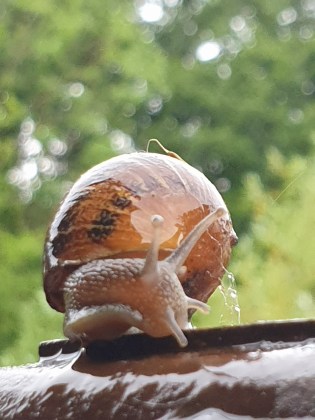
The snail picture (Garden Snail) in the blog was a photo I took this morning. The snail was on the top of a fence post  having a drink from the rain water.

What do you use to identify nature whilst your out and about?

 

Flowering Garden – 30 Days Wild (Day 2)

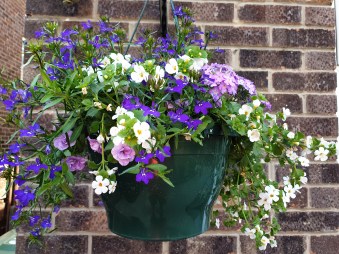
Hanging BasketsDay 2 of 30 Days Wild and today we have put up some hanging baskets in bloom to help the local wildlife. There are different colours to attract different wildlife.

Lots of bumblebees mainly Bombus Lapidarius which is a black bumblebee with an orange bum, have taken an interest in the flowers today.

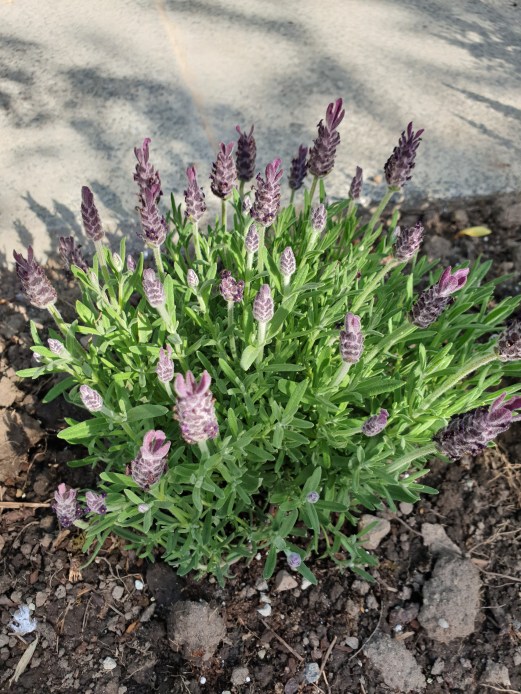
Another favourate for the Bumblebees in the garden is some French Lavender (pictured below) that was planted last weekend. As well as providing a great scent in the garden, its a great source of nectar for bees and a hiding place for other nature.

French Lavender

There are many different plants that can attract a variety of nature into your garden from bees to butterfiles.

Here are some links that show great plants to have in your garden.

https://www.rspb.org.uk/birds-and-wildlife/advice/gardening-for-wildlife/plants-for-wildlife/

https://www.discoverwildlife.com/how-to/wildlife-gardening/top-plants-pollinators-garden/

https://www.gardenersworld.com/plants/wildlife-friendly-plants/

Even planting one flowering plant in your garden can help wildlife.


A Pond – 30 Days Wild (Day 1)

Pond30 Days Wild is run by the Wildlife Trusts (https://www.wildlifetrusts.org/). There is still time to sign up to the 30 days wild and recieve your downloadable pack and activities.

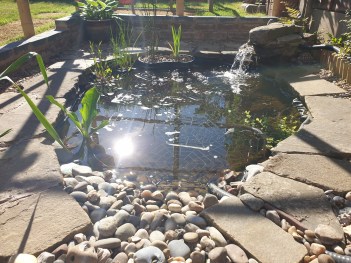
For the first day here is the Pond I set up in my garden. The build started back in September last year digging out the ground. I have gone for a 1 shelf design with a deeper part for wildlife to be safe during the colder winter months.

One part of the design that was important to bring in is the sloping shelf on the front of the pond to allow any wildlife to get out of the pond such as frogs, but also incase anything falls in an needs to get out. This is where the stones come in on a slope to give a good footing and escape route.

The plants put in are growing well and provide balance with absorbing nitrates etc from the water.

There are a few goldfish and the hexagons on top of the pond help deter the local Heron who has paid a visit to the gardens around before. Added some tubes at the bottom of the pond for the fish to hide in as well which they like.

A waterfall helps provide a way to oxygenate the water as well as some pond weed and plants.

What is amazing is the way that nature finds ponds. We already have frogs and tadpoles as well as some pond snails.

With all the warm weather recently the pond has become an oasis for widlife with Bumble Bees landing on the stones to take a drink before carrying on their journey.

Of course you dont need to go to this full extent of building a big pond. An old washing up bowl buried into the garden and filled with water and maybe a couple of pond plants is enough to attract wildlife into your garden.

Building homes for nature in our gardens is important to help maintain the balance in your gardens and in life.