
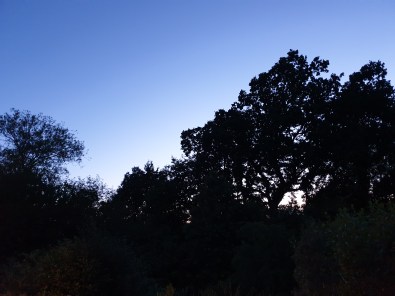
 For this 30 Days Wild last night at Dusk I went outside and there flying around as usual was our local bats. A bit too fast to take a photo with my phone, but great to watch them flying around the front of the houses and over the wooded area in front of the house.
Although I cant confirm it as they are a bit fast to fully see, I think they are Common pipistrelle bats. These bats can eat around 3,000 insects a night and weigh about the same as a 20 pence piece (5 grams).
A great sight if you get the chance to see them flying around catching insects using their ears and sonar to find them.
In the UK we have around 18 species of bats which include
- Brandt’s bat
- Brown long-eared bat
- Daubenton’s bat
- Greater horseshoe bat
- Leisler’s bat
- Lesser horseshoe bat
- Whiskered bat
Full list of UK Bats https://www.bats.org.uk/about-bats/what-are-bats/uk-bats
There are over 1,400 species of bats in the world, and more are still being discovered.
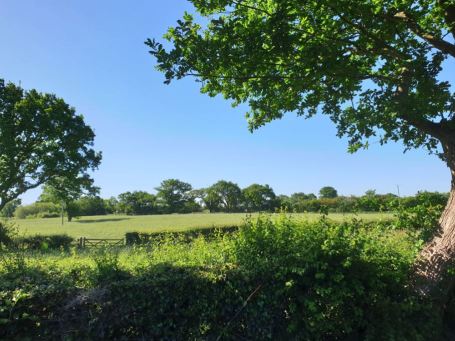 Hedgerows form the part of many fields and country lanes. Typically forming a barrier to break up the land into plots for farming and stock, whilst also to mark territorial boundaries and local parish lines.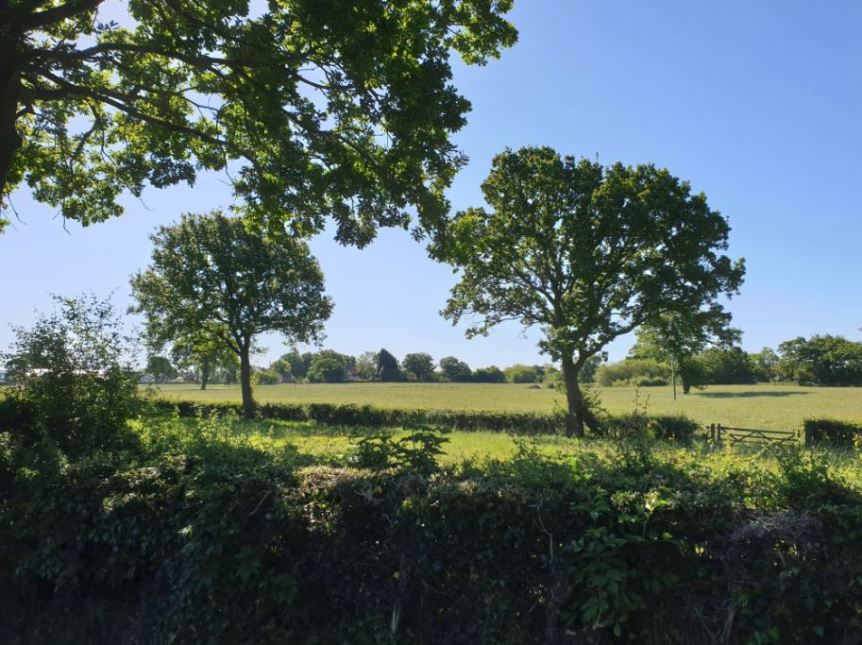
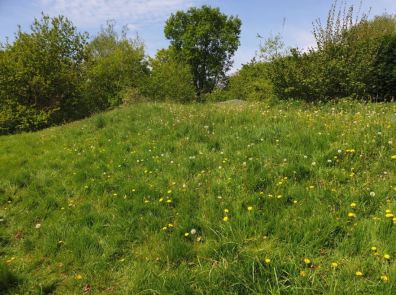 During the recent pandemic and lock down has meant that around the country some jobs have not been done such as cutting of verges. Some councils have already started to leave verges at certain times of the year to grow.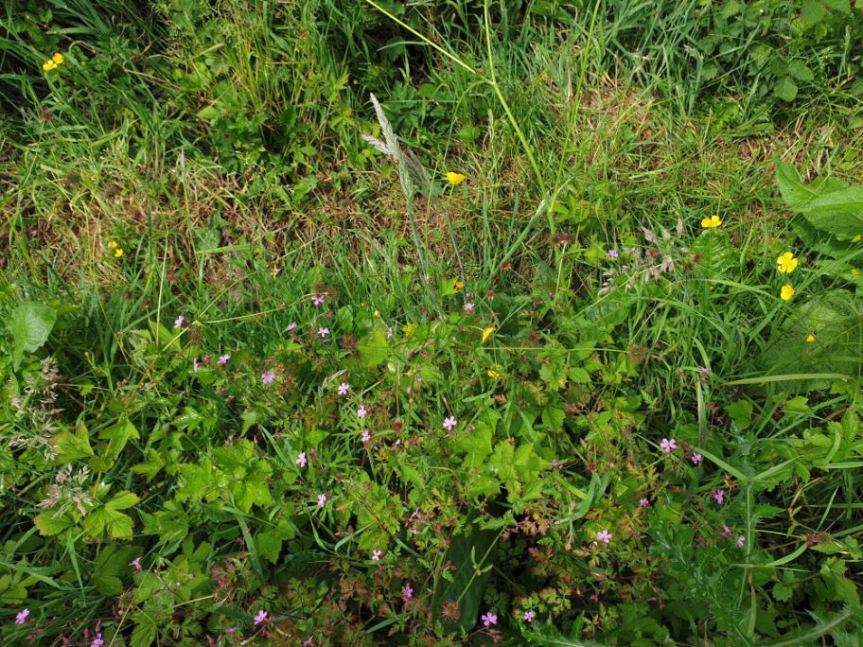

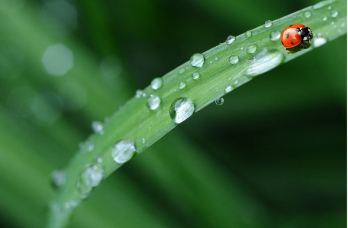
 When your out looking at nature you dont have to go far to find it. We often are looking straight ahead or up in our search to find something, that we miss whats under our feet.
 Recently we have had some fantastic weather in the UK. Its been very warm and sunny which has been great. The weather has now changed for a bit and its raining again.
 Sparrowhawk Bushcraft