Frog and Toad Abode – 30 Days Wild (Day 14)

FTA1As our pond was only build last september and we now have tadpoles that are growing legs and arms, today was a good day weather wise to build a Frog and Toad Abode for when they grow and start to explore and need shelter.

There is part of the garden that needed some attention and this is where the home was planned to be placed.

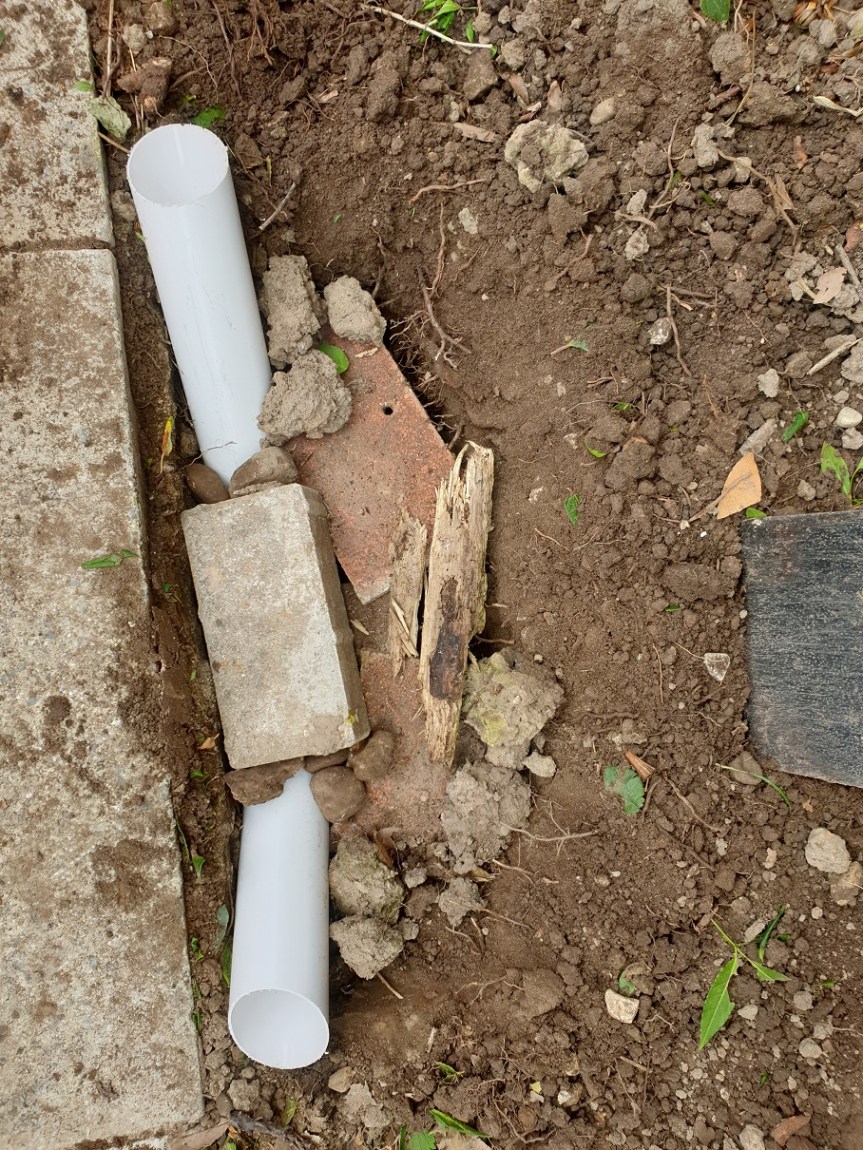
Using some small lengths of pipe that where in the garage, I cut them at angles to allow an amphibian to exit the bottom of the pipe in the hole safely.

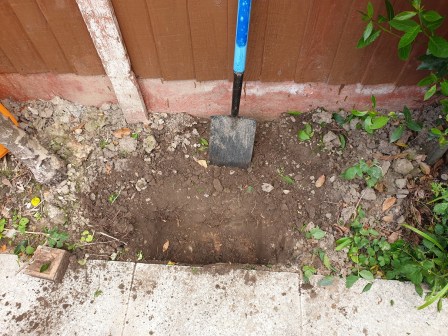
The hole was dug and pipes placed.

FTA2
Hole dug out and soil saved to go back
FTA3
Pipe Layed in the hole

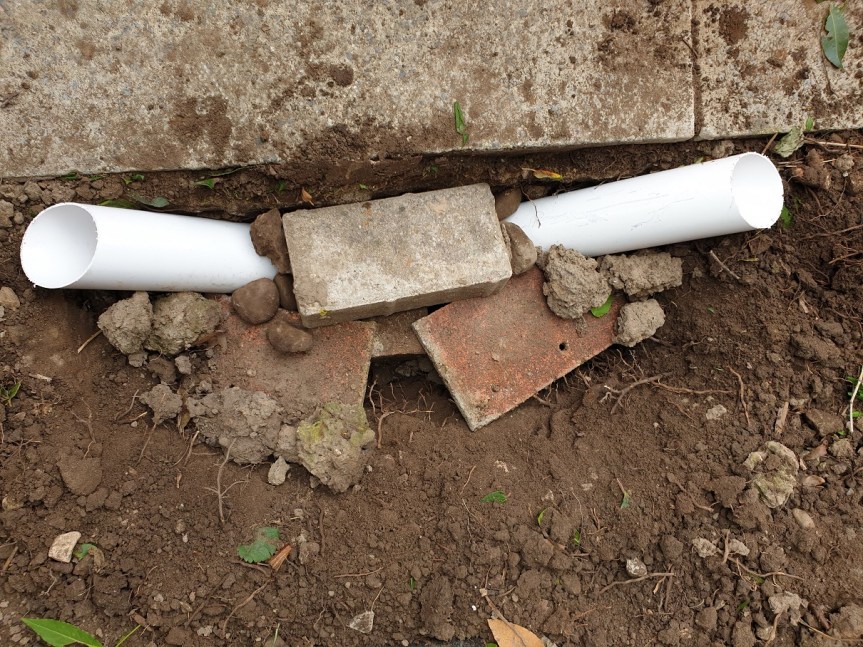
Using some stone, bricks, small twigs and old roofing tiles the bottom and top of the home where formed to give the frogs and toads somewhere to hide amongst.

FTA4
Using old bricks to hold the pipe in place and provide a gap to exit the pipe at the bottom
FTA5
Stones and twigs at the bottom of the home and roofing tiles to do their job
FTA6
Final bits added over the gaps

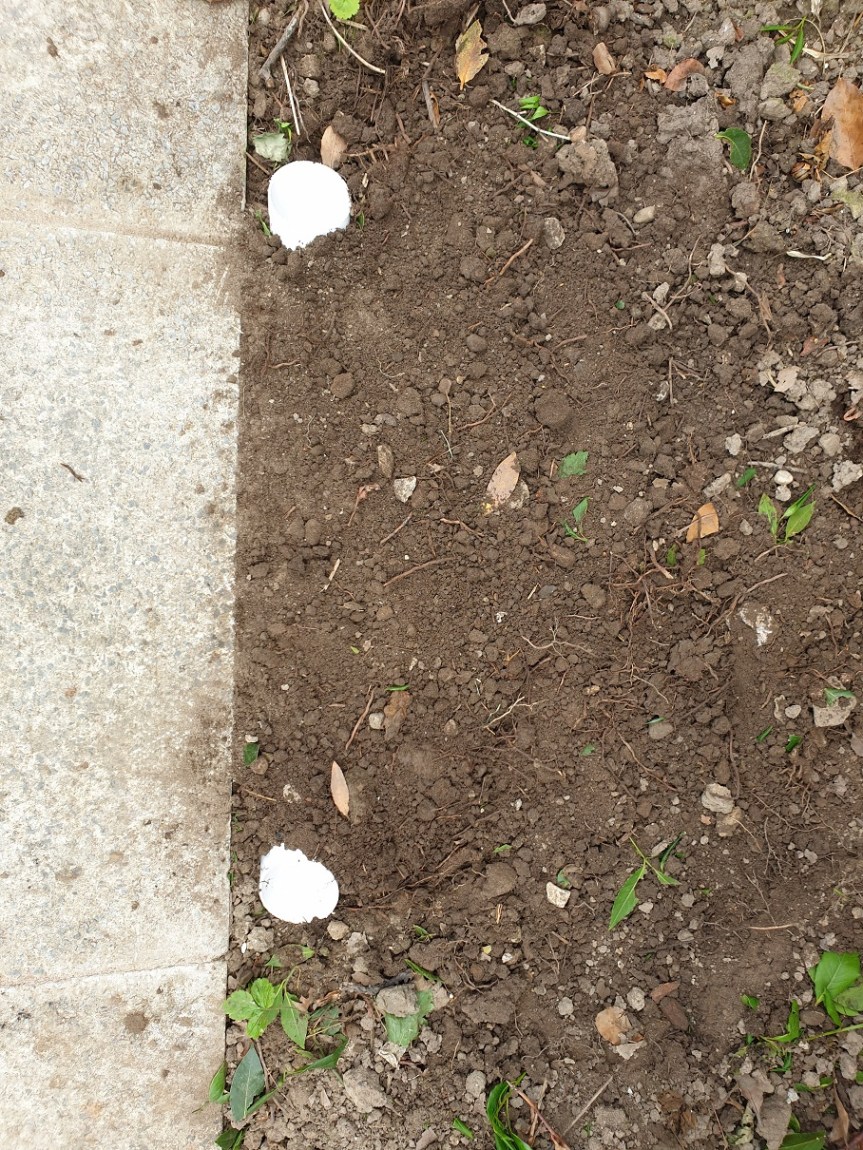
The home was then covered with a layer of soil which was compacted down to secure the workings underneath.
FTA7
Soil covering

So a bit more gardening to do to tidy up the top of the home, however we now have a place for frogs and toads to hide.

Looking at this being the place to build the small dry stone wall at the back and some wild planting at the front on the soil over the home.  The wall will also have a hole at the bottom to allow frogs and toads to hide in when its built.

A Garden Hedge – 30 Days Wild (Day 13)

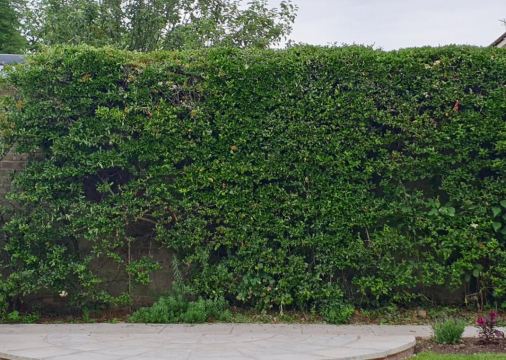
Garden HedgeA Garden hedge is a great way of attracting birds into your garden as it provides a source of cover, nesting area and if the hedge is berry producing food.

My garden hedge is mainly Pyracantha otherwise known as Firethorn. A bush that does live up to its name! I have often had some scratches that feel on fire from the thorns of this plant, however I put up with it as its a great hedge. The Pryacantha produces an abudnance of white flowers in the spring that attracts alot of bees and other pollen loving insects.

These in turn provide a food source for birds. In the autumn the varties of Pyracantha in the hedge produce red and orange berries that feeds the birds.

The hedge itself has a few patchy holes that the birds use to hide in while they await their turn at the bird feeder in the garden.

Growing in the hedge are also some nettles and brambles to add a variety of plants to the garden.

Hedges provide a great habitat for other smaller creatures as well as protection through the colder months of the year.

Mini Dry Stone Wall – 30 Days Wild (Day 12)

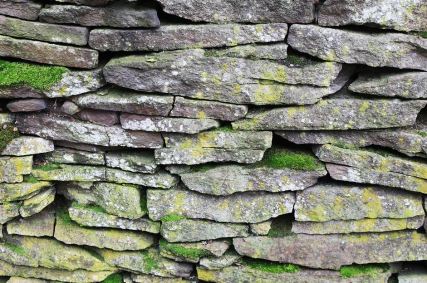
Dry Stone WallA Mini Dry Stone Wall is one idea that I am looking at for my garden as an addition along side a Bug House Hotel to add another place for insects and some plants like lichens to grow on.

Dry stone walls have traditionally been used to edge fields as an alternative to hedgerows and where there may have been an abundance of stone to use where a hedgerow may not have grown. Areas such as the peak district are full of them and the help define the landscape as well as provide shelter for animals and smaller creatures.

A dry stone wall is a work of art by the skilled wallers who have created them, slotting together the stone without any fixing agents such as cement to last the pace of time.

A mini version of a wall that doesnt have to be a buug construction could easily be created in a garden, even if its just some stone that has been piled in a stack with gaps in it.

The ideal for me is a small wall with a bug house hotel on the front of it. This would definately provide a wildlife zone in your garden.

The Wildlife Trust have some information on how to build one at:

https://www.wildlifetrusts.org/actions/how-build-mini-stone-wall-0

I will be visiting my local reclamation yard that sells the type of stone seen in walls when its open to build a mini wall.

Bug House Hotel – 30 Days Wild (Day 11)

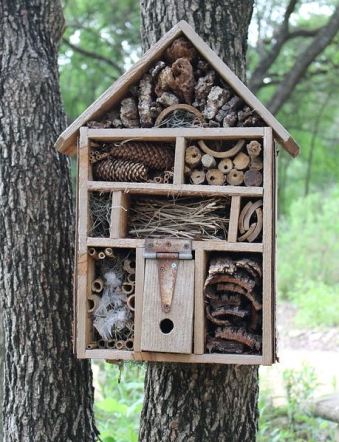
bug house hotelThere are lots of insects and other creatures such as bees that live or visit a typical garden. A great way to see and study the insects that are in your garden is to create a Bug House Hotel.

This doesnt have to be a large construction or fancy. It could be as simple as using an old bean tin with sticks and straw in it, placed in a flower bed or other part of your garden.

You should provide a variety of different types space sizes for insects to make their homes in.

You should always try and use natural materials in your Bug House Hotel such as:

  • Pine Cones
  • Sticks/Twigs
  • Bamboo cane
  • Wood with different sized holes drilled in it
  • Straw/Hay
  • Bark (not from a living tree

You could also use other materials to make bug houses such as old pallets or roof tiles.

Giving nature a home in your garden will attract other wildlife such as birds and hedgehogs.

What have you done for 30 Days Wild so far?


Giant Hogweed – 30 Days Wild (Day 9)

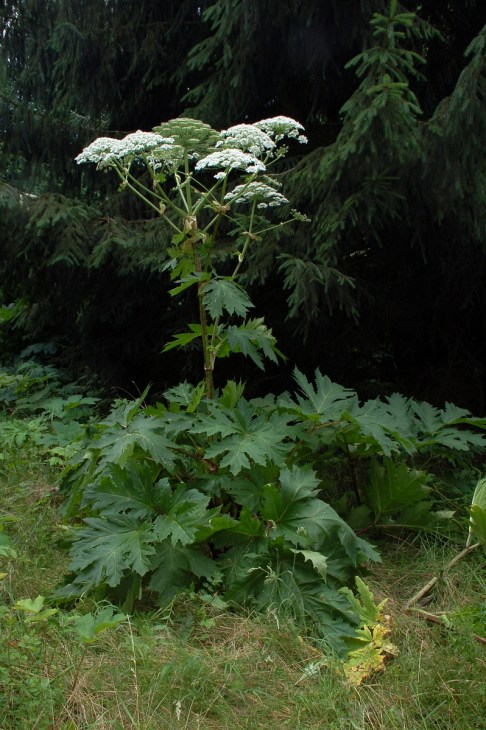
Giant Hogweed
Source: https://en.wikipedia.org/wiki/Heracleum_mantegazzianum

Out of all the plants in the UK, the Giant Hogweed is one plant that I would recommend knowing about. Why – to keep well away from it.

Not to be confused with Common Hogweed, the Giant Hogweed is a plant that was introduced in the 19th Century as an ornimental but is not native to the UK. Since then it has spead and although there is no requirements to report it, you should check with the local council if you spot it.

So why keep away? The plants sap burns skin and makes it photo sensitive (phytophotodermatitis). Cases have been from slight to severe burns and once burnt by the sap you cant expose that area of skin to sunlight as it will burn again. Effects can last for 7 years.

More Facts on the Giant Hogweed https://www.woodlandtrust.org.uk/blog/2019/06/giant-hogweed-facts/

Where is Giant Hogweed in the UK? https://www.planttracker.org.uk/map/giant-hogweed

Wikipedia – https://en.wikipedia.org/wiki/Heracleum_mantegazzianum