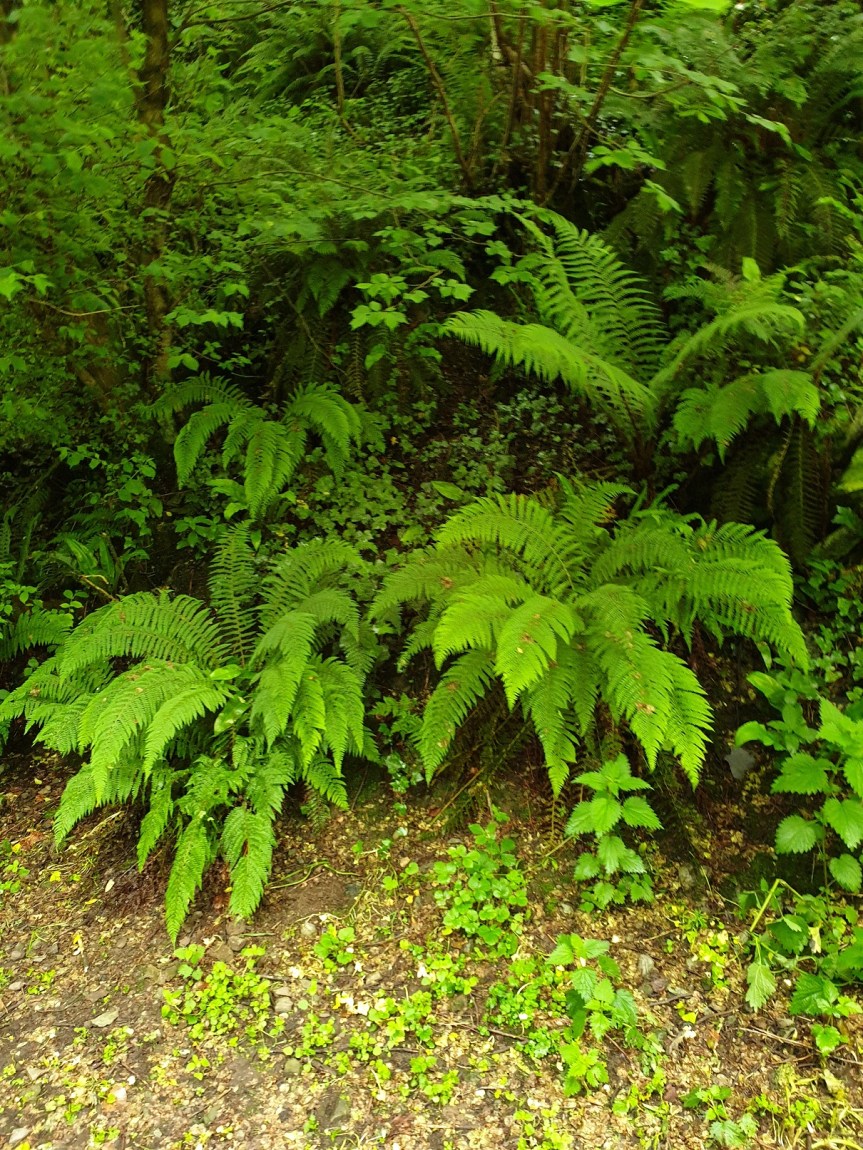
30 Days Wild 2022 – Day 3 – Housefly

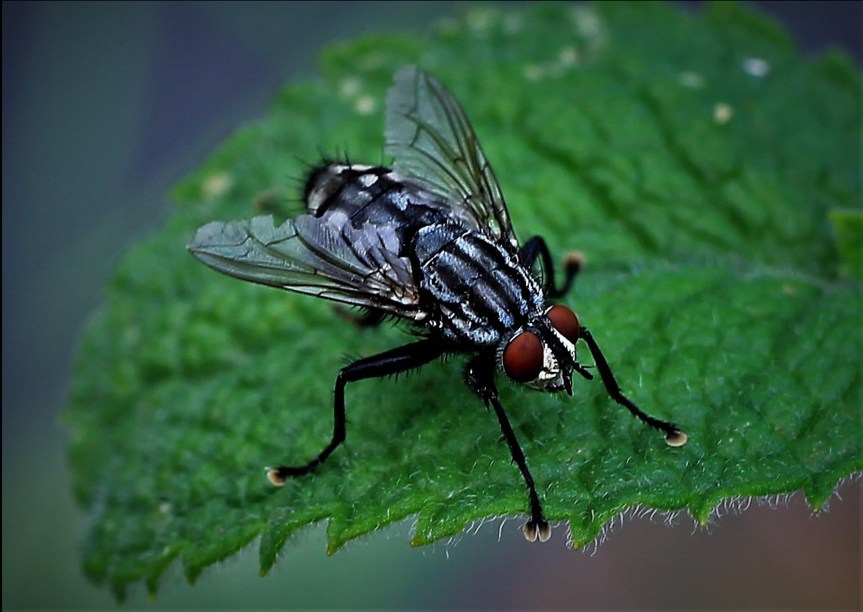
There is nothing more annoying when your sat inside and there comes a buzzing around you and its a fly that has entered your house and wont leave. This is the time of year where the files and other insects wander into your abode as doors and windows are left open to allow fresh air to enter.

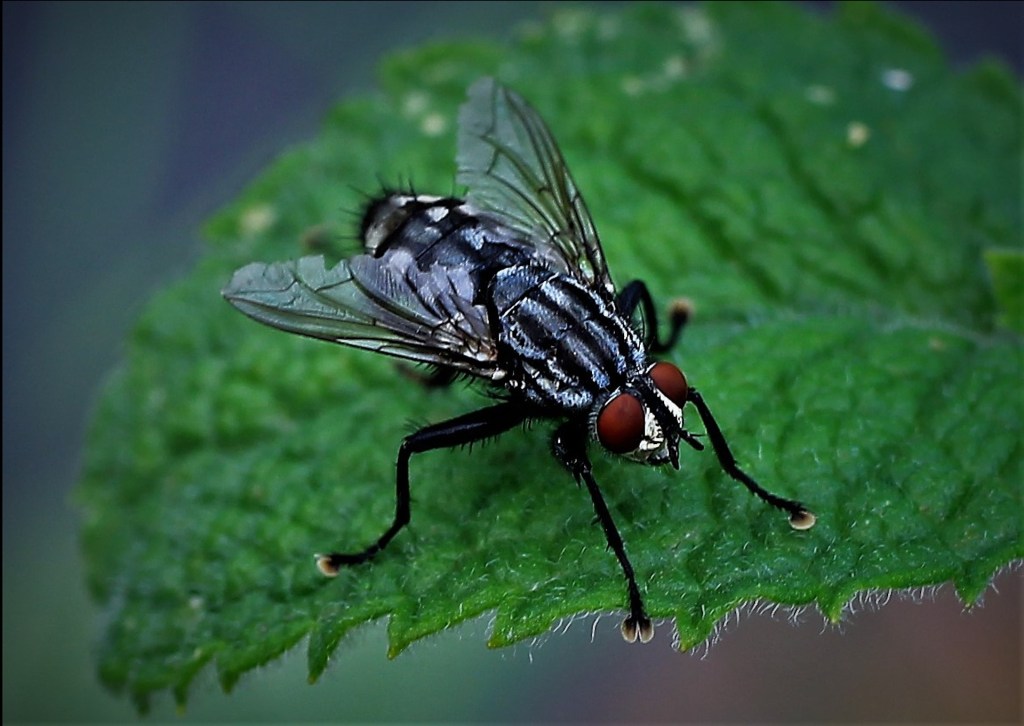
The Housefly is one of the most common flies that will appear in your home. Thought to have originated in the Middle East and spread along with the growth of the human race around the world.

The cycle of a Housefly is 28 days and a female can lay around 500 eggs (in batches of around 100 each time) after mating only once and storing the sperm of the male Housefly.

A Housefly has many predators that feed on them such as birds, spiders, reptiles, and amphibians. They are also prey for lots of other insects.

Houseflies are useful in the ecology of life for breaking down and recycling organic matter such as rotting fruit, feces and animal matter.

When spotting one in the house, lots of people reach for a spray or newspaper, however these insects are part of a bigger eco system that is diminishing and needs protecting. If you cant wait for the fly to exit the open window, try a humane method of catch and release such as a glass and card or specialist fly catchers that you can then release the insects outside.
30 Days Wild 2022 – Day 2 – Circular Economy

Today I am writing about something a bit different on 30 Days Wild. It is an important mindset to adopt as it can help to protect the environment around us and help protect our planet and wildlife.

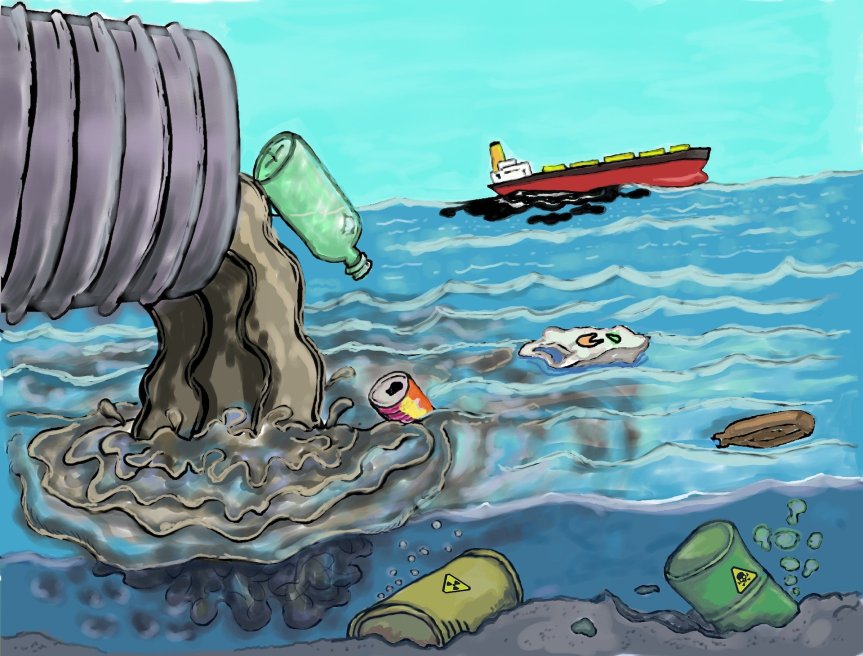
We consume a lot of raw materials that in eth end become waste and over our lifetimes we will consume a lot of resources! Times that by the number of people in the world and the result is staggering. We have typically lived in a linear economy where we consume, produce and then waste resources.

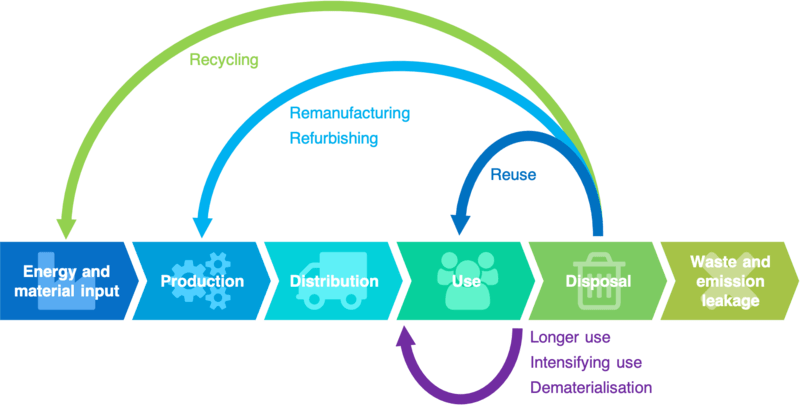
The circular economy is looking to rectify this by repairing, reusing, recycle or repurposing things before we put them to waste.

The diagram below shows the concept of a circular economy.

Source: https://en.wikipedia.org/wiki/File:The_Circular_Economy_concept.png

There are lots of papers, videos and discussions on how the circular economy can help us and lot of points to cover that it would be a very big blog post to write about it all. Instead I encourage you to do a google or other search engine search on Circular Economy and see how you can do your bit.

There will always be some level of waste, but our ability to reduce this is in each of us to enact.

Some considerations for you to think about:

  • Next time you are about to bin something, consider if it could be reused in a different way.
  • Before you buy anything, consider the waste and how that can be recycled or reused afterwards.
  • Is the packaging you have on an item biodegradable.

30 Days Wild 2022 – Day 1 – Pond Update

Another year on and 30 Days June is here again. My posts have been seriously lacking in between and hope to fix that going forward. Though I would start this years 30 Days of June with an update on my pond.

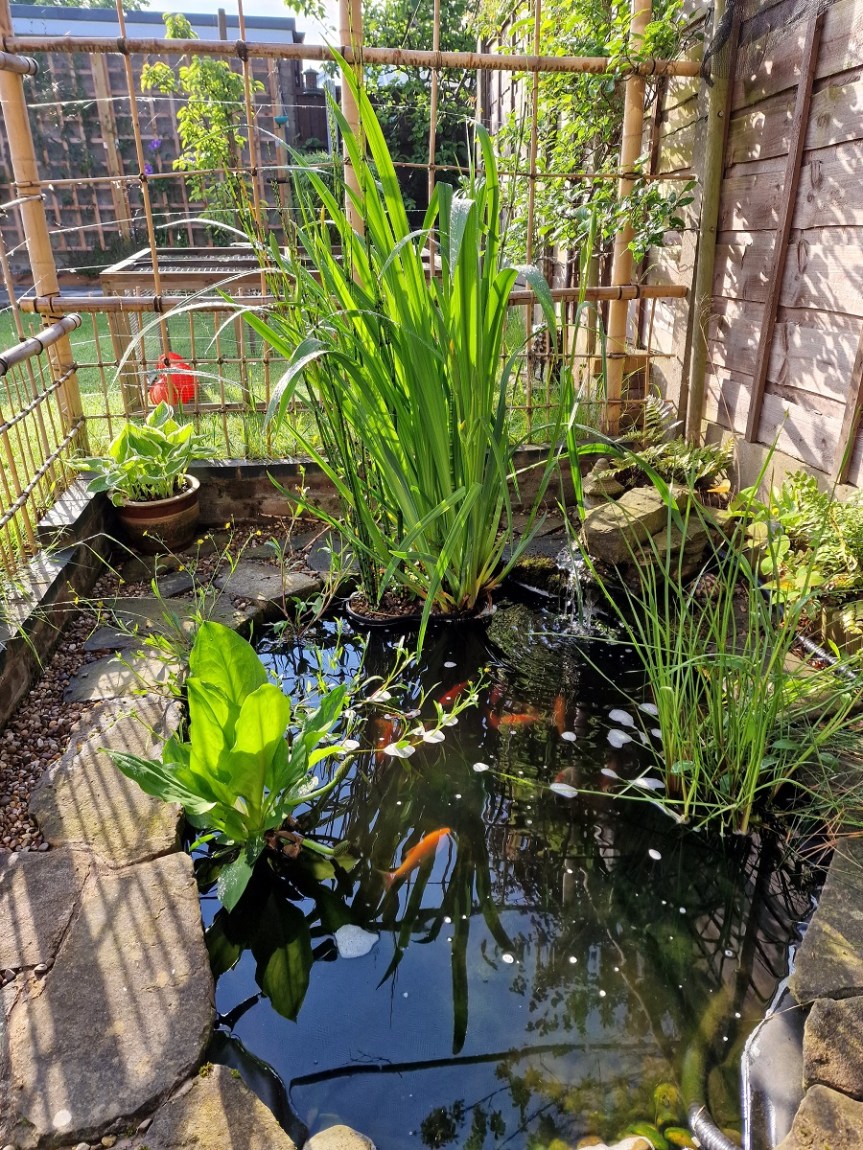
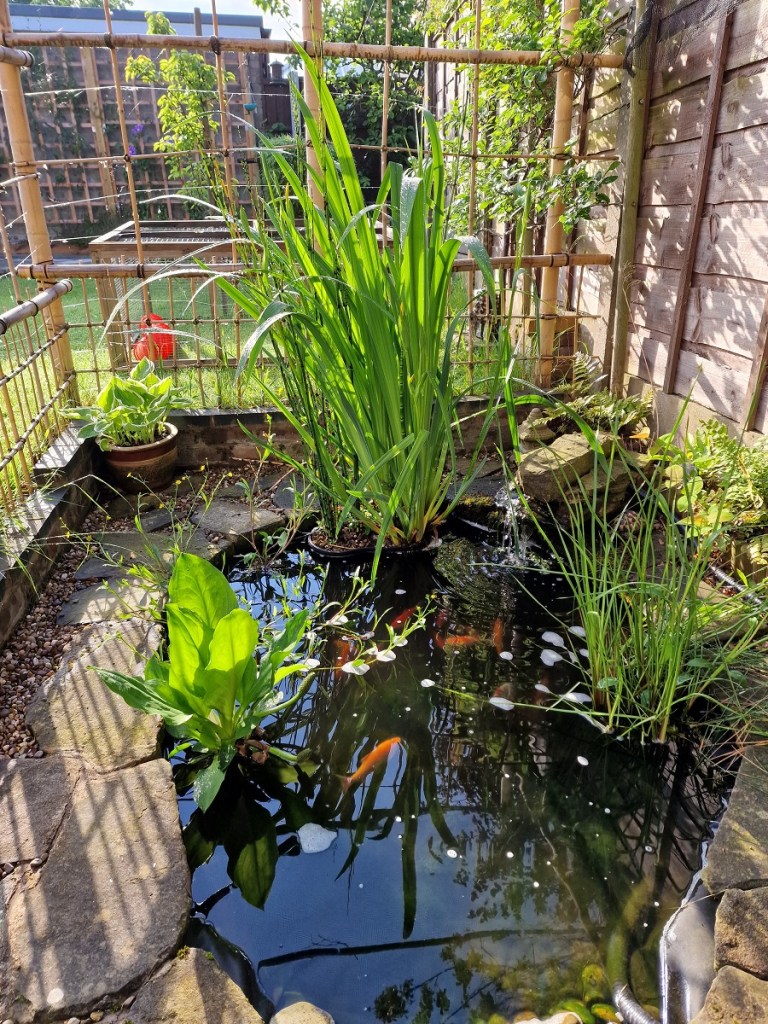
Since building the pond a few years ago it has become established and a focal point for wildlife in the garden. The Heron still appears and can only look at the all you can eat Heron buffet without the eating part due to the bamboo cage. Most of the lashing had to be replaced on the cage as the twine I first used had degraded, but it is holding strong. The cage provides a lot of nooks and places for spiders to hide and build their webs on feasting on the flies and insects that visit the pond.

Frogs have visited and their offspring have become tadpoles which hide well from the fish within the stones and pebbles forming the slope at the end of the pond offering any animal that wanders in an easy way out of the water.

The plants are thriving well and providing a source of shade and stability to the water. The Iris has grown from a small garden centre purchased plant to a large feature and looks like it might actually flower this year.

Having a pond in a garden no matter how big, is a great way of attracting wildlife of all sizes and worth while investment of time in making it and sitting and watching it flourish.

30 Days Wild 2021 – Day 30 – Leave No Trace

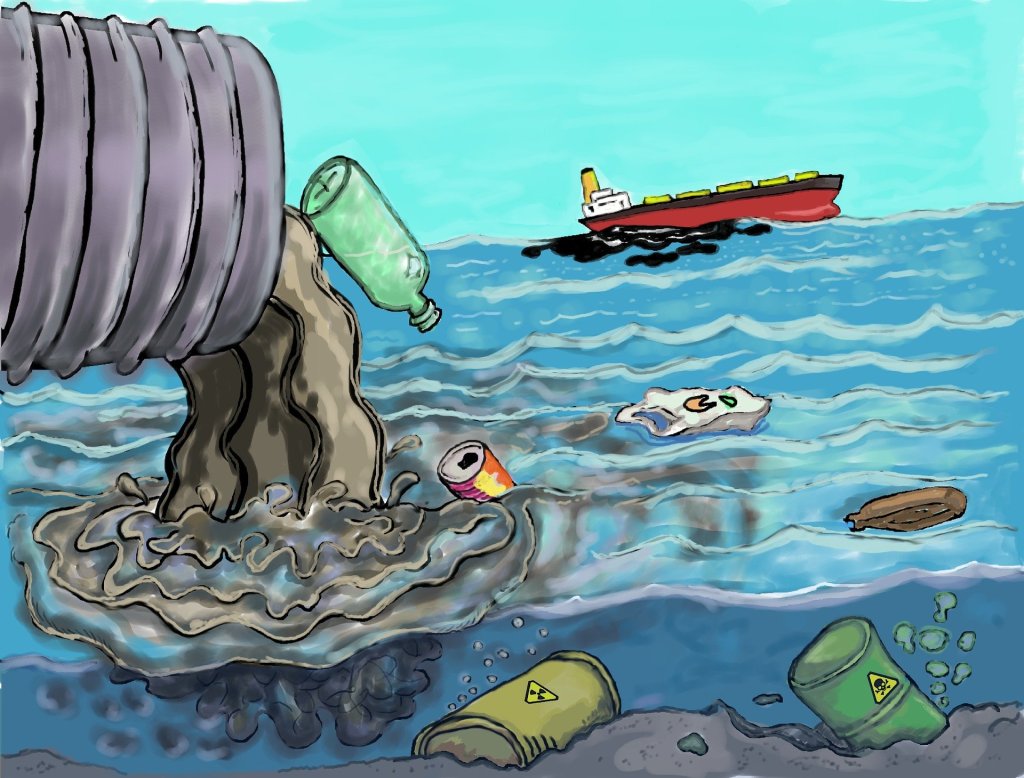
I’m going to end this years 30 Days Wild on a topic that everyone should be concerned about. Okay, so not quite a nature post, put quite an impact on nature. Litter/Trash/Rubbish, what every you call it. According to the Keep Britain Tidy campaign around 2 million pieces of litter are dropped every day.

It does not take much for people to pick up your litter and dispose of it responsibly.

Adopting the principals of Leave No Trace can help to keep our impact minimal when out and about.

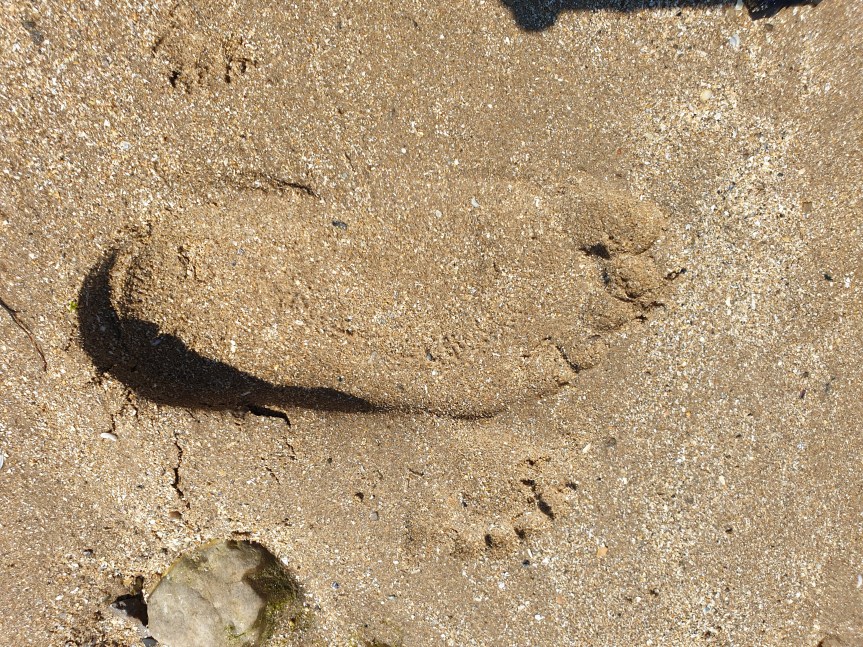
Remember “Take only memories and photos and only leave footprints”.

30 Days Wild 2021 – Day 29 – Ferns

Ferns (Pteridological) have been around a very long time in terms of the history of the earth, around 360 million years ago.

The Victorians had a craze for Ferns adding then to many gardens and features, also creating large Fernery’s in which to display them.

Ferns are part of the UK’s landscape from Coastal to Woodlands and host a variety of species. They provide cover for animals and homes for others, big and small.

The British Pteridological Society have an excellent Fern Guide PDF that you can download to help identify species. Covers:

  • Hart’s tongue fern (Asplenium scolopendrium)
  • Hard fern (Blechnum spicant)
  • Common polypody (Polypodium vulgare)
  • Male fern (Dryopteris filix-mas)
  • Golden-scaled Male-fern (Dryopteris affinis)
  • Soft shield fern (Polystichum setiferum)
  • Lemon-scented mountain fern (Oreopteris limbosperma)
  • Lady fern (Athyrium filix-femina)
  • Broad buckler-fern (Dryopteris dilatata)
  • Hay-scented buckler-fern (Dryopteris aemula)
  • Bracken (Pteridium aquilinum)
  • Oak fern (Gymnocarpium dryopteris)
  • Beech fern (Phegopteris connectilis)
  • Maidenhair spleenwort (Asplenium trichomanes)
  • Wall-rue (Asplenium ruta-muraria)
  • Black spleenwort (Asplenium adiantum-nigrum)
  • Rusty-back fern (Asplenium ceterach)

Additional Reading