30 Days Wild 2021 – Day 19 – Ponds/Lakes – Mint

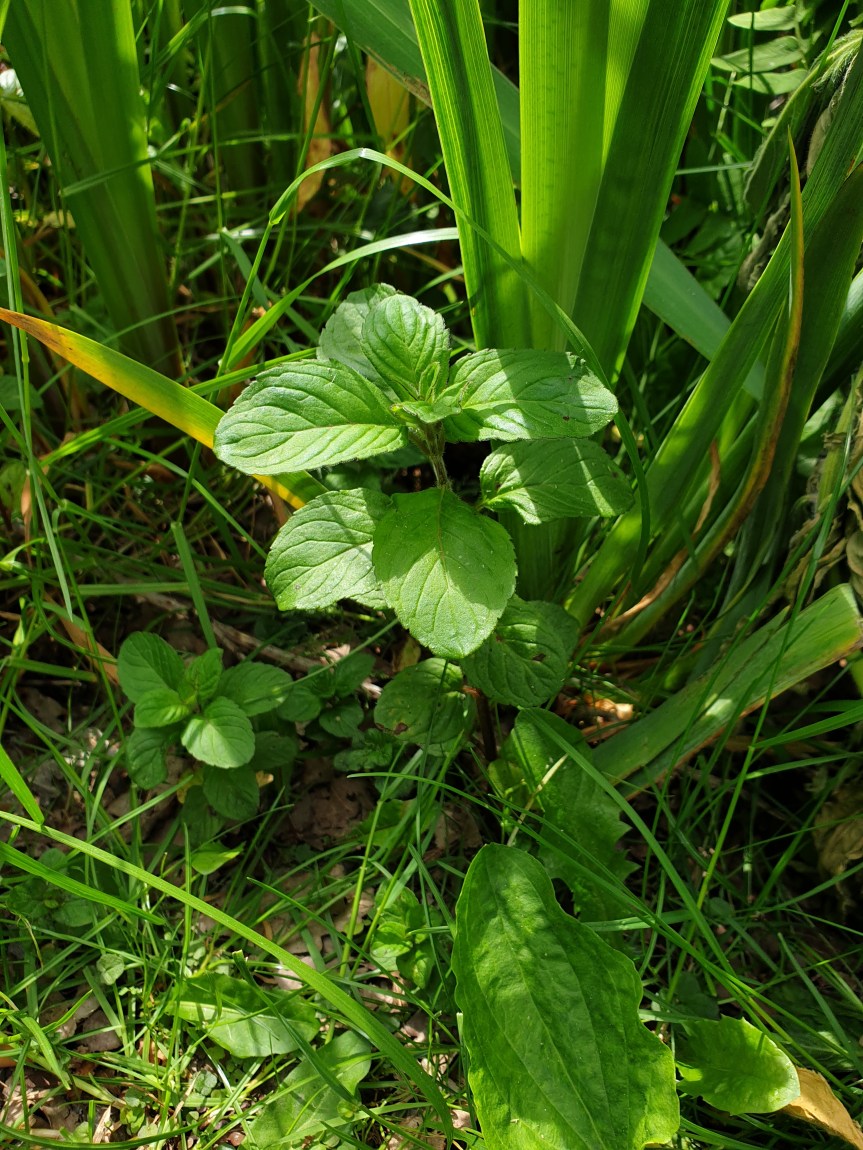
Todays postbis about a plant that most people know about and have tasted. The Mint (Mentha) plant comes in several varieties:

  • Apple Mint (Mentha villosa)
  • Corn Mint (Mentha arvenis)
  • Peppermint (Mentha piperita)
  • Spear Mint (Mentha spicata)
  • Water Mint (Mentha aquatica)
  • Whorled Mint (Mentha verticilla)

There are many other varieties (around 34).

Normally associated with cultivated herb gardens, Mint grows wild and along the banks of my local pond it grows in small clumps.
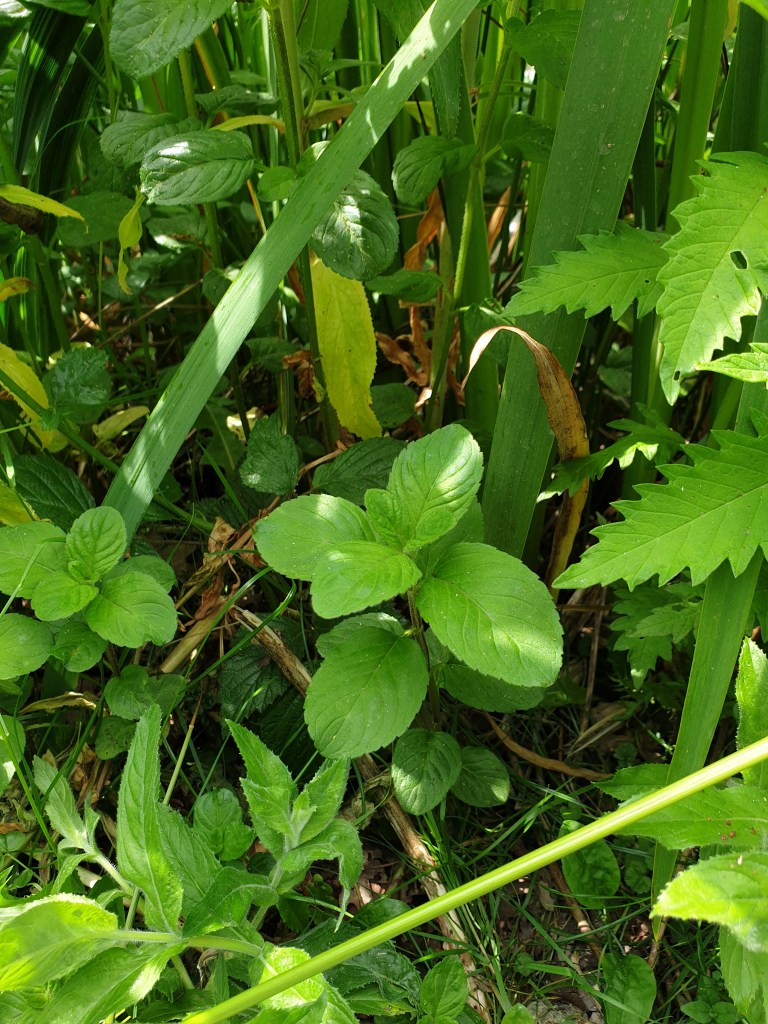
You can tell a Mint plant by its oval leaves and by rubbing the leaves a mint smell on your fingers.

Mint is one of those well used ingredients for cooking and pharmaceutical products, from Menthol to Mint Sauce.

If your growing Mint in your garden, its advised to grow in a pot or container as it can be quite invasive if not kept under control.
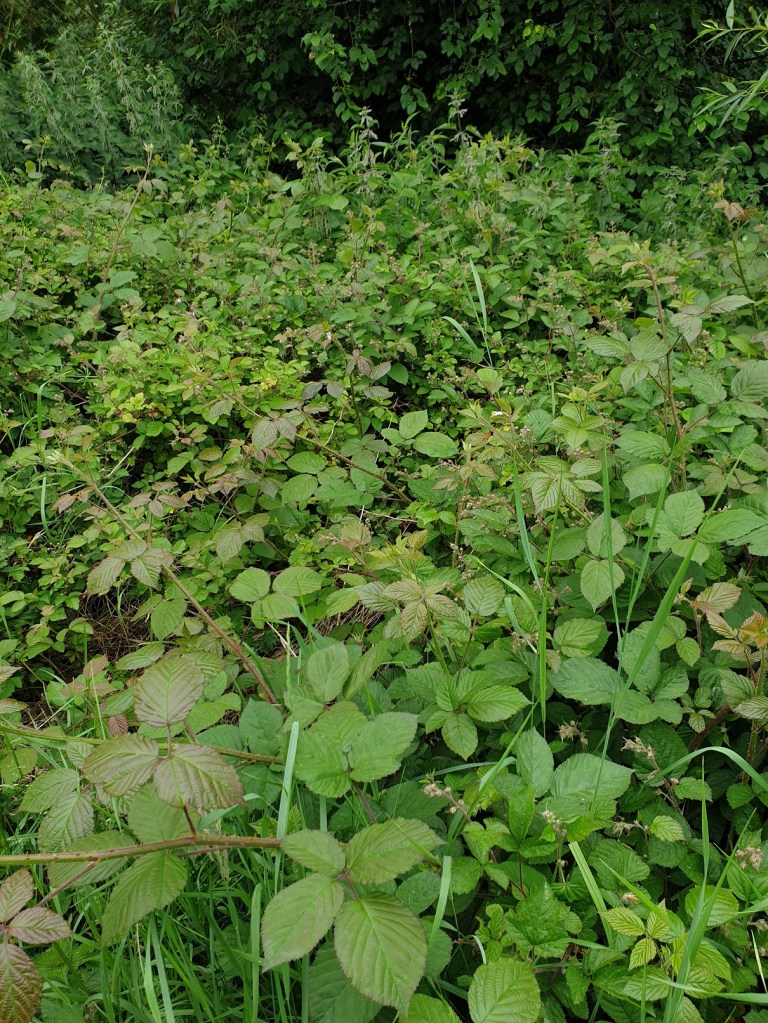
30 Days Wild 2021 – Day 18 – Nature Walk – Bramble/Blackberry

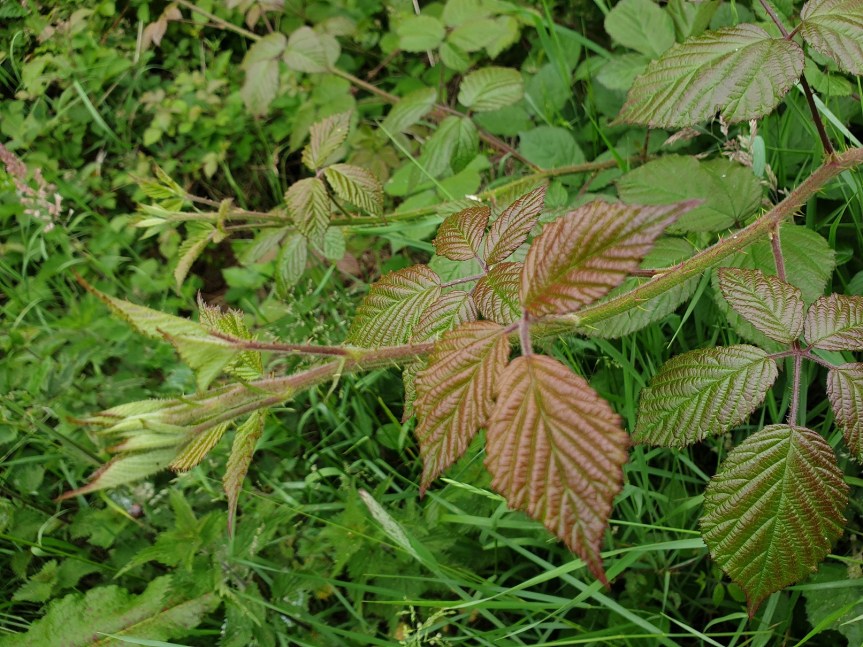
The humble Bramble/Blackberry (Rubus fruticosus) is a staple plant of many hedgerow and thicket. Its distinctive thorny creeping tendrils flowering with white flowers during the summer and rich tasty fruit in the autumn provide a source of food for a wide variety of animals, birds and humans.

The thorny bush of the Bramble can produce blackberries, raspberries, or dewberries. In this case the Brambles in the photos produce Blackberries.

The Bramble is a hardy plant and once established it can take root and become hard to remove for gardeners. In the wild, the Bramble grows in every direction covering as much ground as it can with its tendril off shoots and arcs them until they become heavy and touch the ground. At this point roots can form and the Bramble extends again from a secured anchor point.

The Bramble has been used by humans not just as a source of food, but also a source of fibre for rope, baskets and fabrics.

Another great plant from nature.

30 Days Wild 2021 – Day 17 – Nature Walk – Elderberry

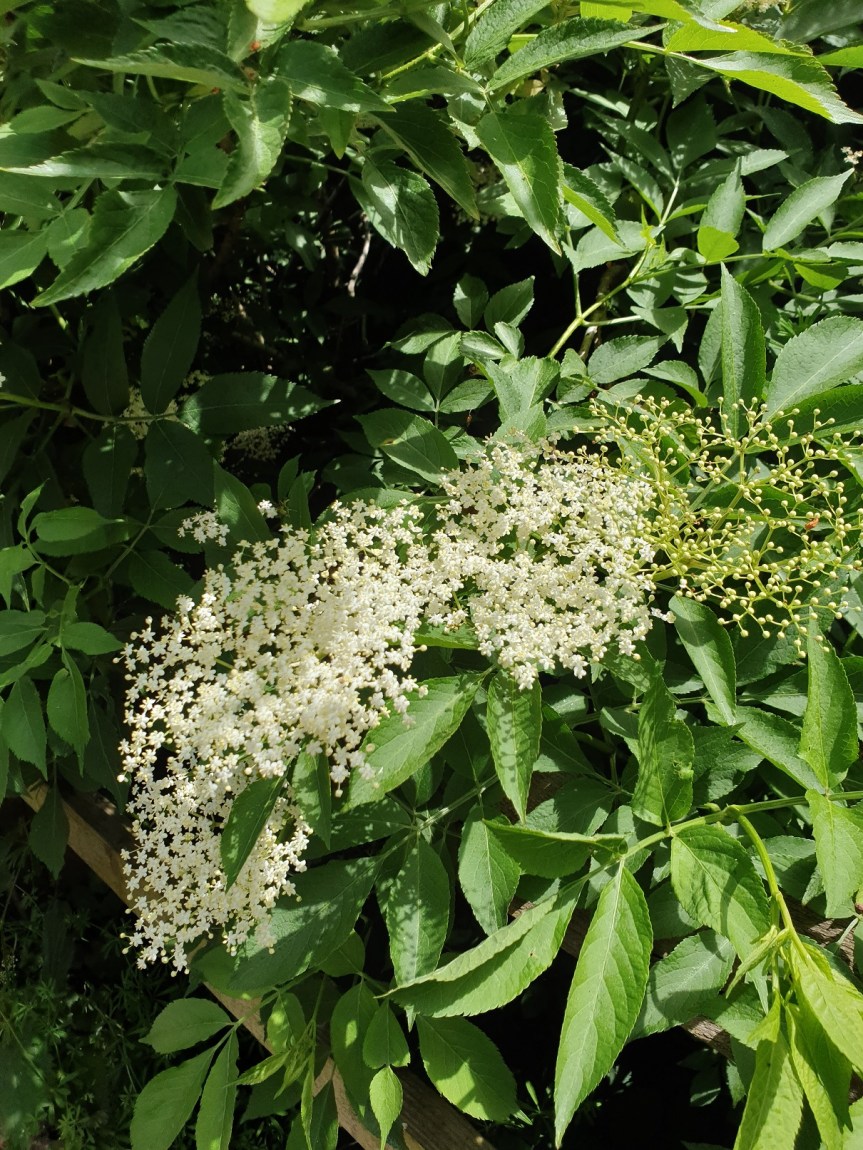
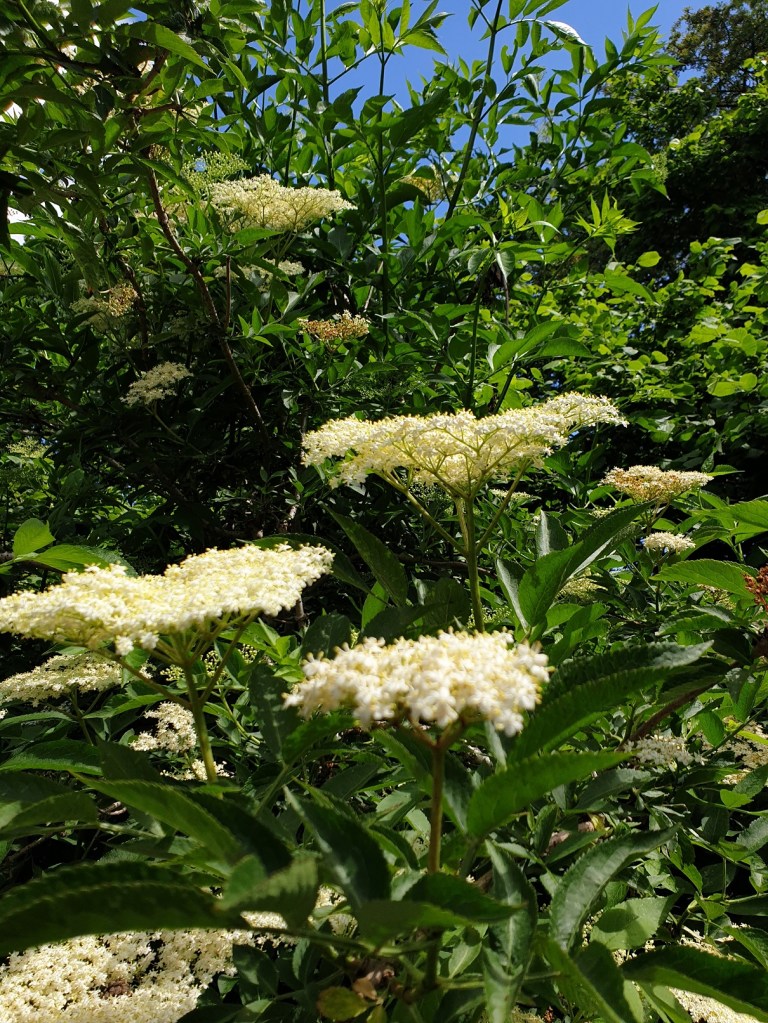
At this time of year the Elder (Sambucus nigra) is a common sight along paths with its white flowers (elderflowers) in full bloom.

A haven for insects and bees to feed on. Also the time to gather the flowers to make a refreshing elderflower cordial drink. Only take what you need though and forage responsibly and within the law.

The autumn sees the flowers turn to berries which are a good source of food for birds and again can be foraged for a number of fruity recipes – especially Elderberry Wine.

Care must be taken in identifying this shrub correctly and you should not consume raw elderberries without any prep as they can cause may cause nausea, vomiting, and severe diarrhea. Research is recommended.

This is a favourite shrub in a hedgerow due to its many uses and foraging.

30 Days Wild 2021 – Day 16 – Garden – Nettles

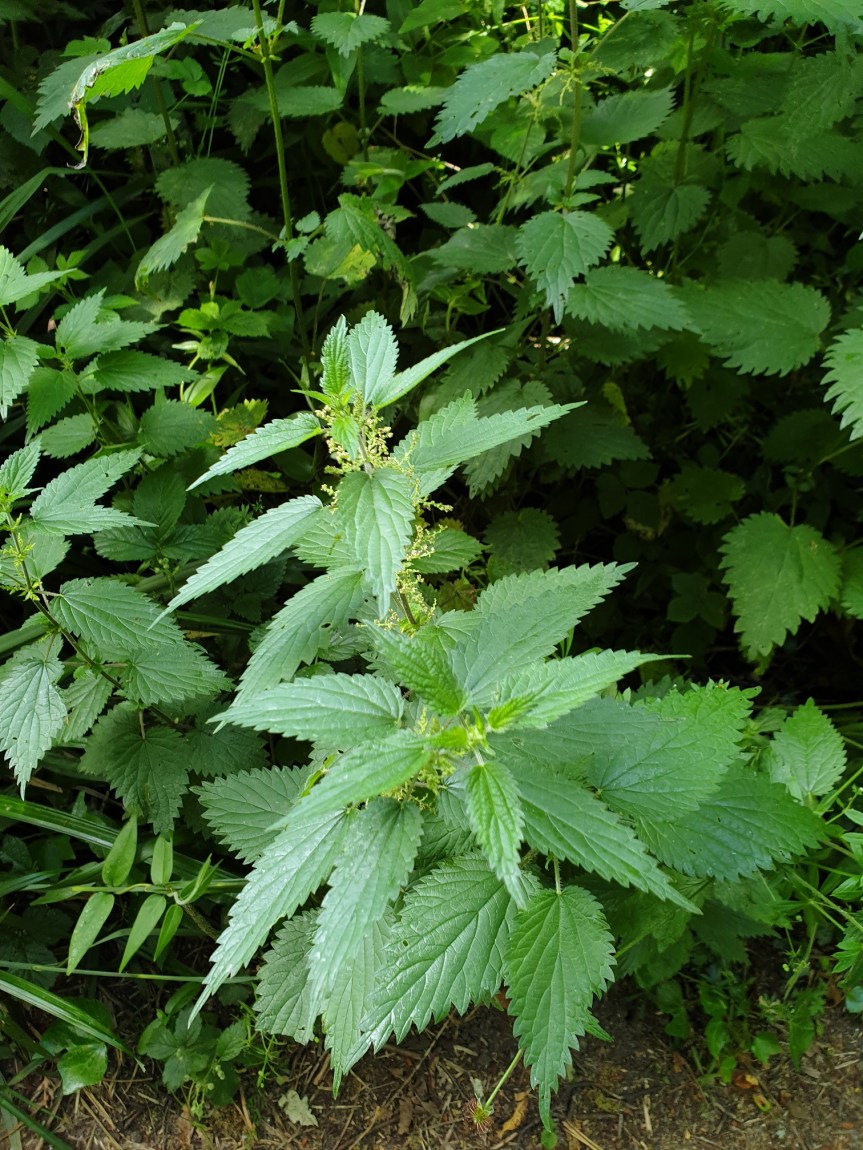
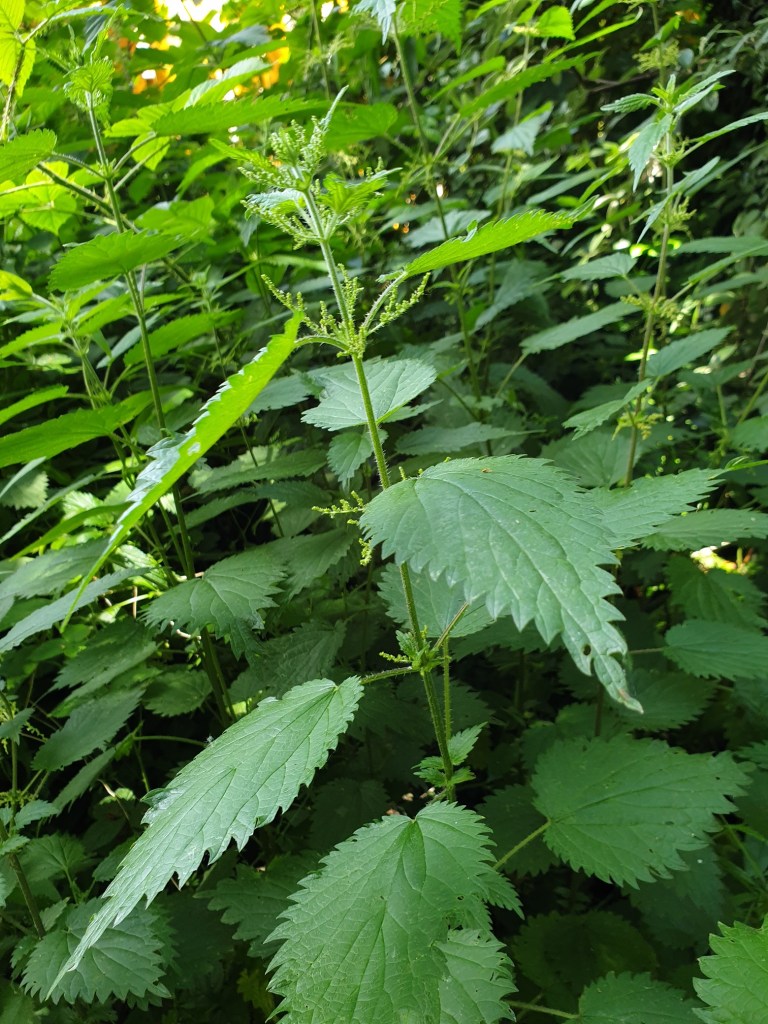
The good old Nettle or Stinging Nettle (Urtica dioica). Some people hate them, some love them. I am in the latter camp and the Nettle is a great part of any landscape.

A plant that butterfies love and live on to being a culinary plant for use in the kitchen.

Butterflies that use nettles are commonly:

There are also a number of Moths that also make the nettle their home.

Here are 10 uses for the Nettle from Gardeners World that are worth checking out:

  • A hearty nettle soup
  • Spring greens
  • Reviving nettle tea
  • Nettles help butterflies
  • Nettle beer
  • Nettle liquid feed
  • Nettles as aphid trap
  • Nettles for ladybirds
  • Nettles as soil indicator
  • Nettles on the compost heap

As with all plants and foraging you should eat only in moderation if you have not eaten before and forage responsibly.

30 Days Wild 2021 – Day 15 – Garden – Bees

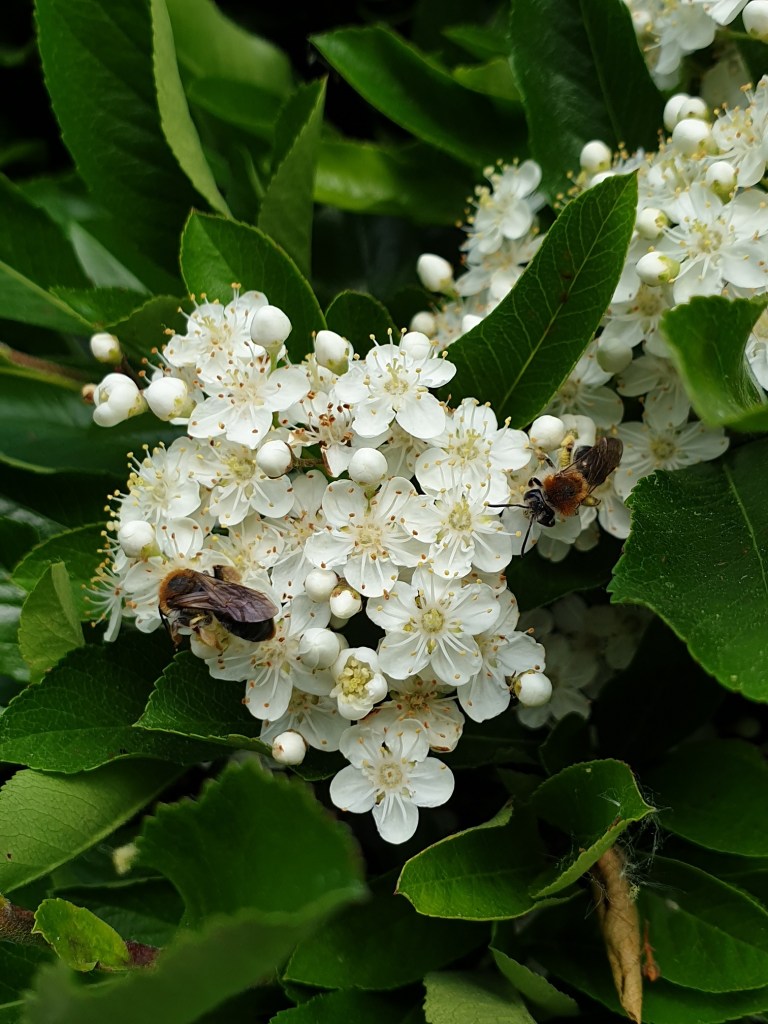
This time of year the flowers on our Pyrocantha hedge (also called Fire Thorn hedge) are in full bloom and attracting insects. From Spiders lying in wait for prey to Bees collecting pollen and pollenating the plants as they go.

There are many different species of bees that visit the flowers, from bumble to honey.

The Wildlife Trust have a good guide to bees on their website that can be used to identify them.

So far I have spotted:

Thankfully not many Wasps (Vespula vulgaris)

Bees are in decline due to many factors, but the main one is humans and what we do to the planet. Bees and other pollinator’s play an important roll in the ecology of nature helping nature to flourish and thrive. We need to do more to help protect the bees and their habitats.

You can easily help saving bee’s by planting flowers that attract bees and pollinator’s in your garden. It can be as much as a single plant, but every one helps.