 30 Days Wild is run by the Wildlife Trusts (https://www.wildlifetrusts.org/). There is still time to sign up to the 30 days wild and recieve your downloadable pack and activities.
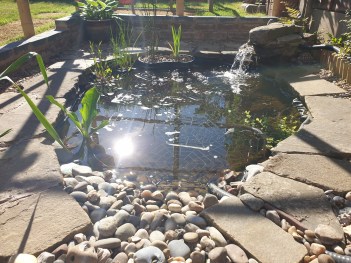
For the first day here is the Pond I set up in my garden. The build started back in September last year digging out the ground. I have gone for a 1 shelf design with a deeper part for wildlife to be safe during the colder winter months.
One part of the design that was important to bring in is the sloping shelf on the front of the pond to allow any wildlife to get out of the pond such as frogs, but also incase anything falls in an needs to get out. This is where the stones come in on a slope to give a good footing and escape route.
The plants put in are growing well and provide balance with absorbing nitrates etc from the water.
There are a few goldfish and the hexagons on top of the pond help deter the local Heron who has paid a visit to the gardens around before. Added some tubes at the bottom of the pond for the fish to hide in as well which they like.
A waterfall helps provide a way to oxygenate the water as well as some pond weed and plants.
What is amazing is the way that nature finds ponds. We already have frogs and tadpoles as well as some pond snails.
With all the warm weather recently the pond has become an oasis for widlife with Bumble Bees landing on the stones to take a drink before carrying on their journey.
Of course you dont need to go to this full extent of building a big pond. An old washing up bowl buried into the garden and filled with water and maybe a couple of pond plants is enough to attract wildlife into your garden.
Building homes for nature in our gardens is important to help maintain the balance in your gardens and in life.


 When your out looking at nature you dont have to go far to find it. We often are looking straight ahead or up in our search to find something, that we miss whats under our feet.
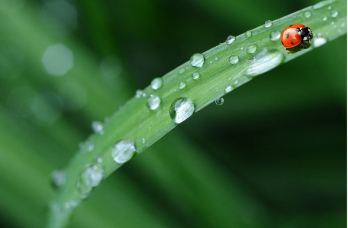 Recently we have had some fantastic weather in the UK. Its been very warm and sunny which has been great. The weather has now changed for a bit and its raining again.
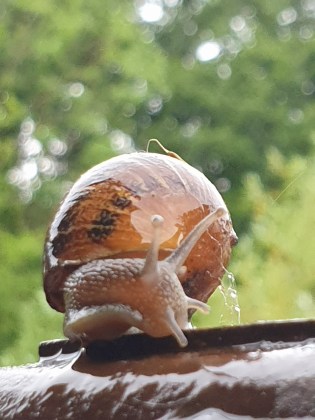 There is so much around us to identify in nature that its hard to know everything, but there are animals, plants and nature that you will know the names of and facts about them. To help there are a large number of guides and books available, as well as internet sites.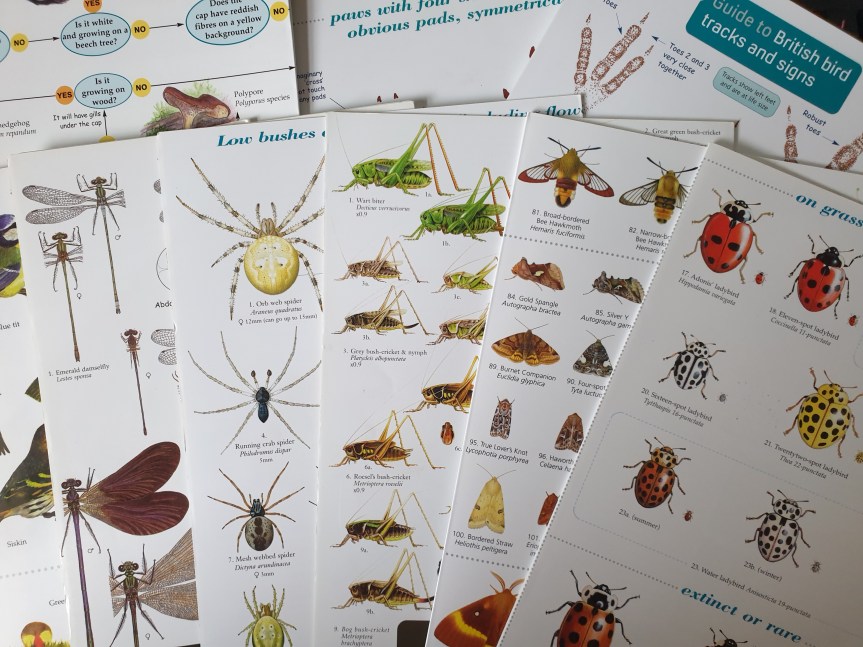
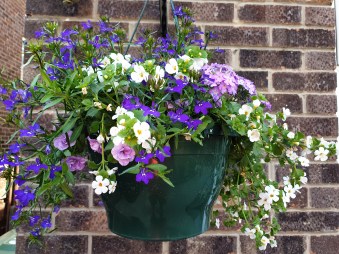 Day 2 of 30 Days Wild and today we have put up some hanging baskets in bloom to help the local wildlife. There are different colours to attract different wildlife.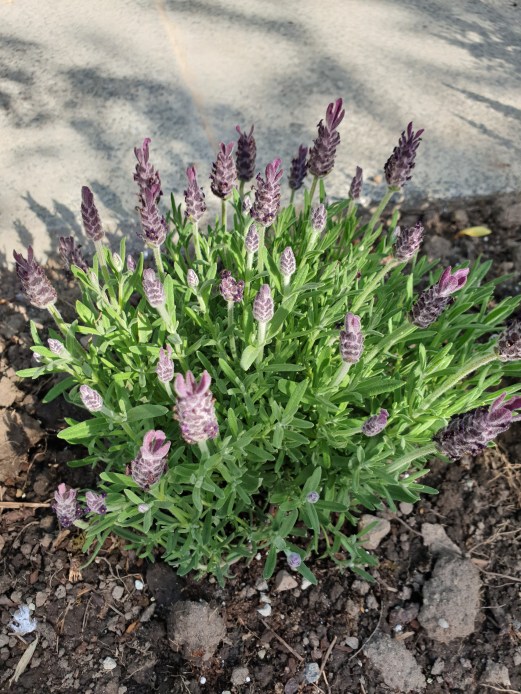
 Sparrowhawk Bushcraft