Vegetables – 30 Days Wild (Day 10)

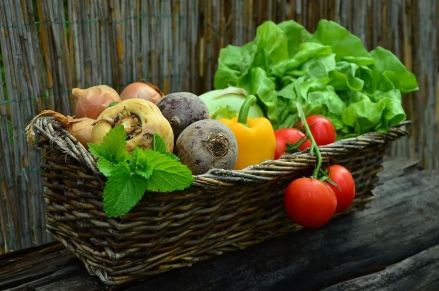
VegOn our daily rounds at the supermarket we will visit the vegetable isle and pick what veg we fancy to go with our meals. Turning our nose up at some and loving others. Also looking at some of the veg thinking perhaps, not this time but maybe one day as we may not be adventourous that week to try something new.

How often do you stop and look at the veg and think, how did we get Brussel Sprouts or Broccoli?

Did you know that a good proportion of your veg came from one plant that has been cultivated and bred over hundreds of years? The Brassica family comes from the Wild Mustard Plant.
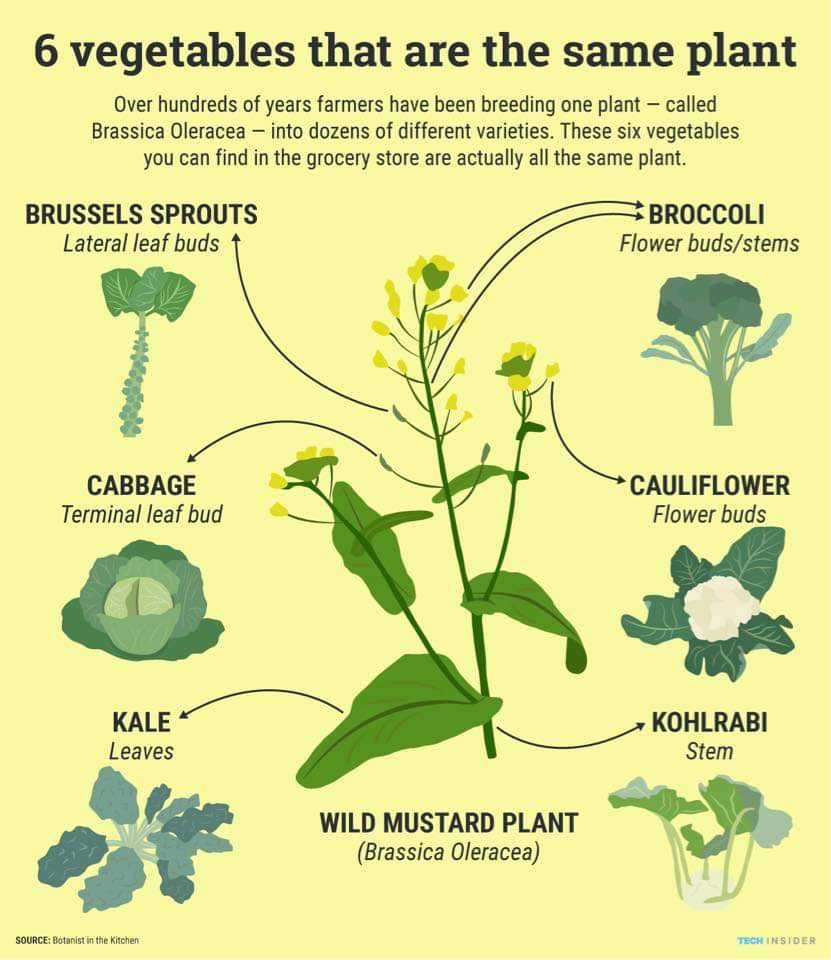
Wild Mustard Plant
Source: Botanist in the Kitchen – Tech Insider

Humans have been cultivating and breeding wild plants for years to get the variety of veg that is now available for our plates. A great talking point at your next Family Sunday Roast. What wild plants did the veg your eating today come from?
Giant Hogweed – 30 Days Wild (Day 9)

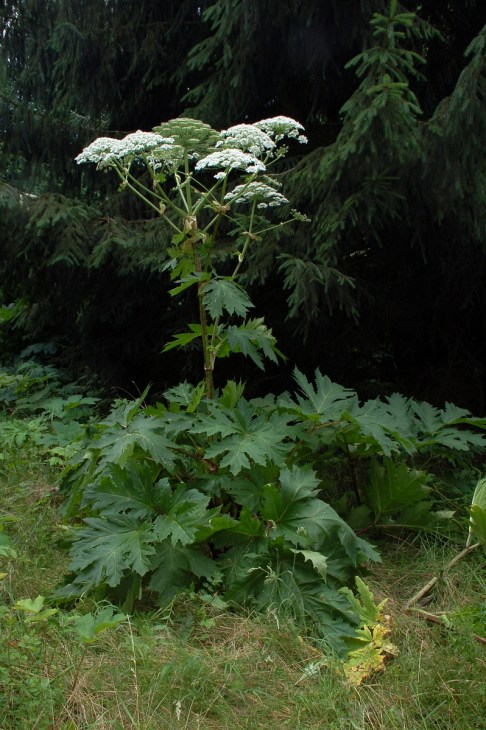
Giant Hogweed
Source: https://en.wikipedia.org/wiki/Heracleum_mantegazzianum

Out of all the plants in the UK, the Giant Hogweed is one plant that I would recommend knowing about. Why – to keep well away from it.

Not to be confused with Common Hogweed, the Giant Hogweed is a plant that was introduced in the 19th Century as an ornimental but is not native to the UK. Since then it has spead and although there is no requirements to report it, you should check with the local council if you spot it.

So why keep away? The plants sap burns skin and makes it photo sensitive (phytophotodermatitis). Cases have been from slight to severe burns and once burnt by the sap you cant expose that area of skin to sunlight as it will burn again. Effects can last for 7 years.

More Facts on the Giant Hogweed https://www.woodlandtrust.org.uk/blog/2019/06/giant-hogweed-facts/

Where is Giant Hogweed in the UK? https://www.planttracker.org.uk/map/giant-hogweed

Wikipedia – https://en.wikipedia.org/wiki/Heracleum_mantegazzianum


Bats – 30 Days Wild (Day 8)

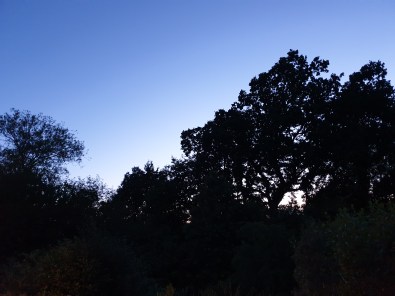
DuskFor this 30 Days Wild last night at Dusk I went outside and there flying around as usual was our local bats. A bit too fast to take a photo with my phone, but great to watch them flying around the front of the houses and over the wooded area in front of the house.
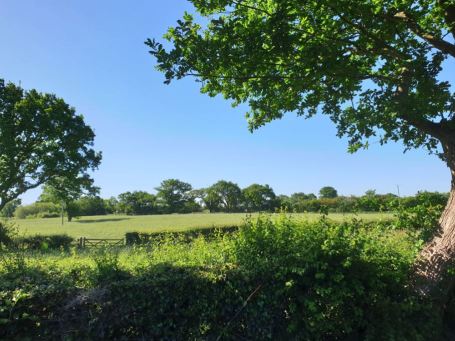
Although I cant confirm it as they are a bit fast to fully see, I think they are Common pipistrelle bats. These bats can eat around 3,000 insects a night and weigh about the same as a 20 pence piece (5 grams).

A great sight if you get the chance to see them flying around catching insects using their ears and sonar to find them.

In the UK we have around 18 species of bats which include

  • Brandt’s bat
  • Brown long-eared bat
  • Daubenton’s bat
  • Greater horseshoe bat
  • Leisler’s bat
  • Lesser horseshoe bat
  • Whiskered bat

Full list of UK Bats https://www.bats.org.uk/about-bats/what-are-bats/uk-bats

There are over 1,400 species of bats in the world, and more are still being discovered.


Hedgerows – 30 Days Wild (Day 7)

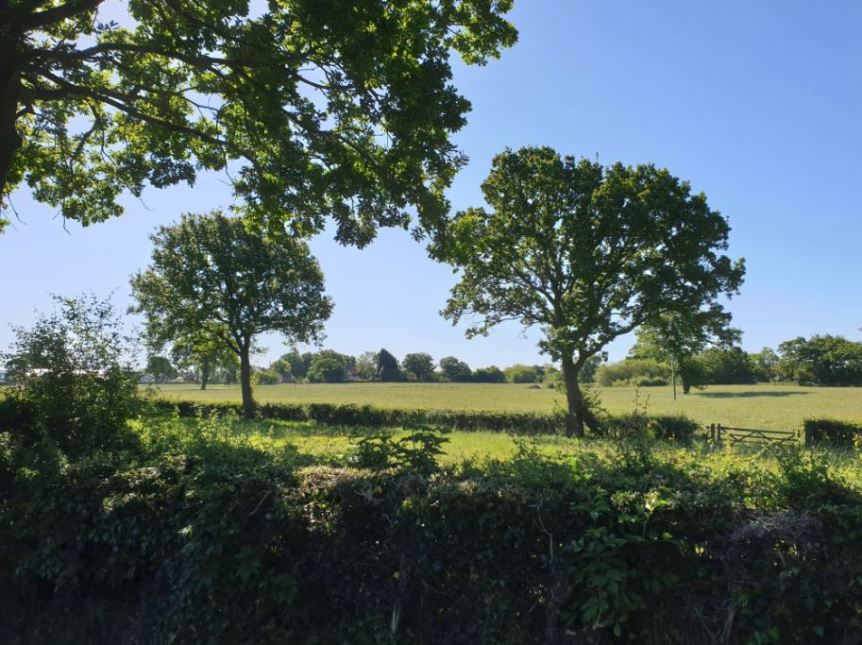
Hedgerow 1Hedgerows form the part of many fields and country lanes. Typically forming a barrier to break up the land into plots for farming and stock, whilst also to mark territorial boundaries and local parish lines.
Early hedgerows can be traced back to Anglo-Saxton Charters.

Overtime the replacement of hedges with modern fencing has seen the removal and decline of the big and bushy hedgerows of yesteryear, however there is a bit of a resurgance of the hedgerow as the benefits of encouraging wildlife back to areas is increasing.

Last weekend I was on a social distanced walk with a friend as we went around the local area and luckily from where we are we were soon out of the primmed garden hedge to the wild hedgerows of the lanes and fields nearby.

Hedgerow 2

The great thing about hedgerows is the variety of plants and wildlife that make them their home. Throughout the seasons hedgerows change with flowers to berries and the different wildlife that inhabits them.

The hedgerows on our walk consisted of:

  • Beech
  • Hawthorn
  • Hazel
  • Blackthorn
  • Dog Rose
  • Cow Parsley
  • Hemlock
  • Stinging Nettle
  • Ivy
  • Elder
  • Bramble
  • Cleavers

As well as lots of grasses and other plants on the verges next to the hedges.

Plenty of birds in and out of the plants, but no mammals were seen. Typically you could see:

  • Squirrels
  • Rabbits
  • Stoats
  • Weasel
  • Hedgehog
  • Voles
  • Mice
  • Shrews

Next time you are out on a walk keep your eyes open to what you can find.


Verges – 30 Days Wild (Day 6)

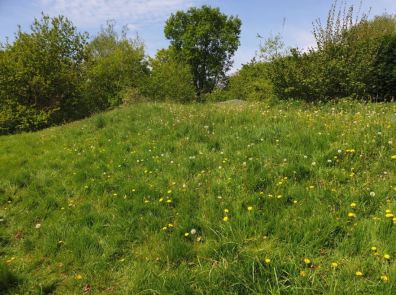
Grass VergeDuring the recent pandemic and lock down has meant that around the country some jobs have not been done such as cutting of verges. Some councils have already started to leave verges at certain times of the year to grow.
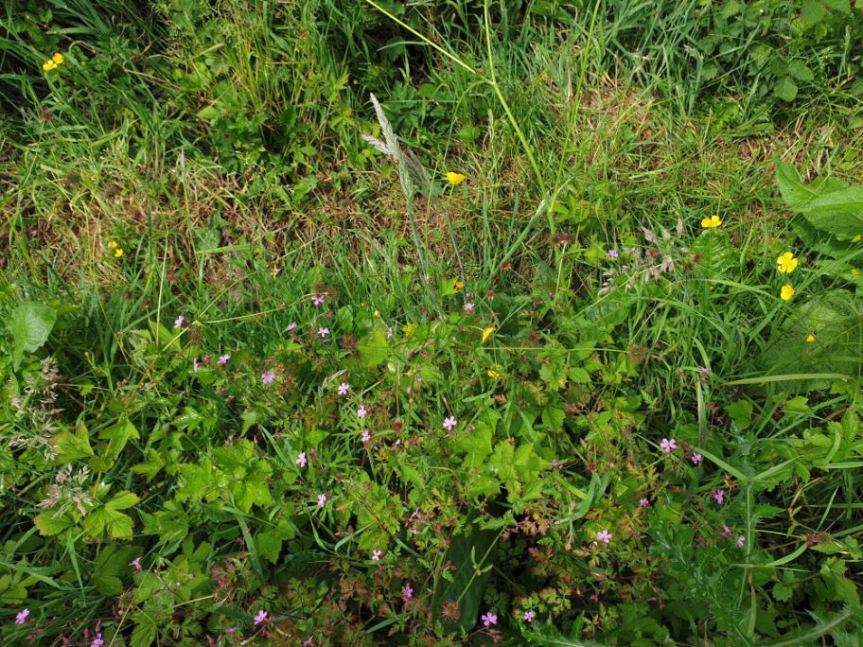
This time has seen a lot more verges sprin into life and become havens for wildlife allowing flowers and plants that would normally be kept short to grow to their natural heights. Fields have blossomed with the seed heads of dandelions and turned yellow and white with the buttercups and daisies.

Path Verge
Verge along a path

Verges along paths are also growing with species such as:

  • Nettle
    Plantain
    Thistle
    Dandelion
    Dock
    Buttercup
    Daisy
    Knapweed
    and lots of others

All of these provide habitats for wildlife to live and thrive. This is certainly a year to enjoy the colour and splender of nature as we excerise and get outside.