I have finally got round to upload some of my trail cam captures to my YouTube channel which can be found at the link below. Happy viewing.
https://www.youtube.com/@sparrowhawkbushcraft3670


I have finally got round to upload some of my trail cam captures to my YouTube channel which can be found at the link below. Happy viewing.
https://www.youtube.com/@sparrowhawkbushcraft3670
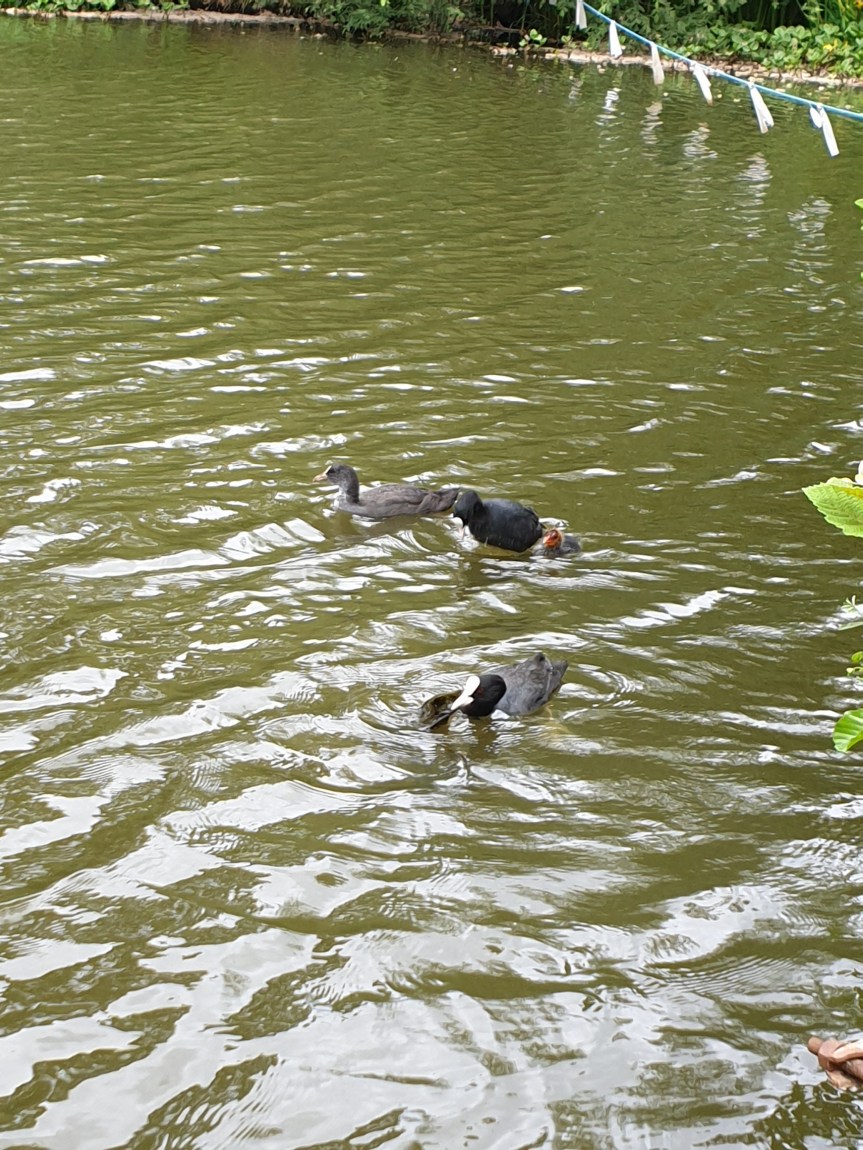
Sitting at the fishing lake today, a family of Coots (Fulica atra) were swimming around. The family were, mum, dad, juvenile and a baby.
Bit sad that there was only one baby with the as last weekend there were 2 others making 3. Thats the circle of life. Possibly taken by predators such as Pike, Heron or Fox. More likely to be a Pike as there are a couple of big ones on the pond/lake.
Coots are a water bird that make their nests in reedbeds or along the banks in cover. At the pond, they make a nest on a floating island so protected from preadators. Until they come out in the open.
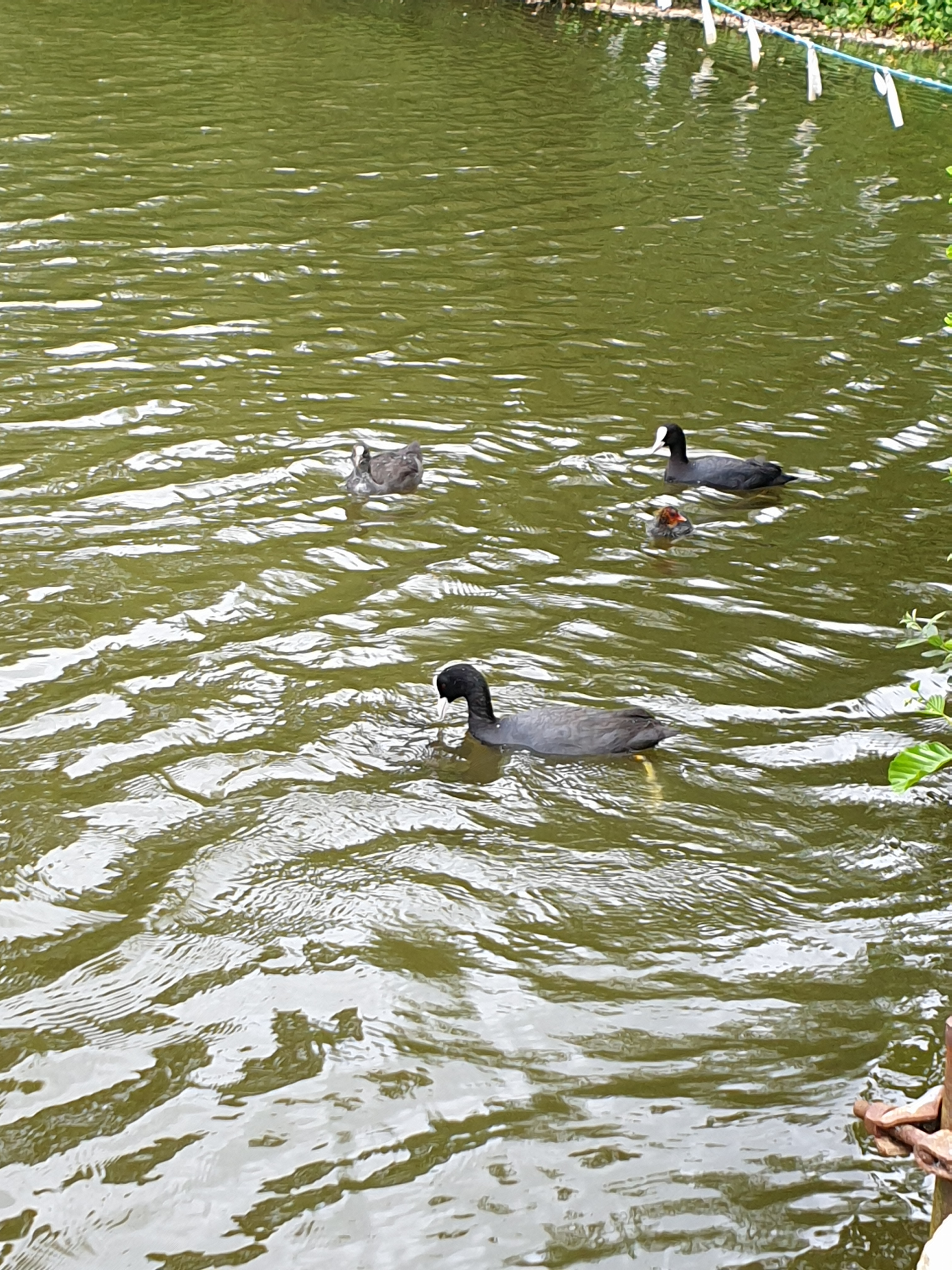
The Coot has a distinctive shield white bill marking on the front of their heads.
Hopefully this family will survive as is going forward.
There are other species of Coots that fall under the Genus Fulica.
 On our daily rounds at the supermarket we will visit the vegetable isle and pick what veg we fancy to go with our meals. Turning our nose up at some and loving others. Also looking at some of the veg thinking perhaps, not this time but maybe one day as we may not be adventourous that week to try something new.
How often do you stop and look at the veg and think, how did we get Brussel Sprouts or Broccoli?
Did you know that a good proportion of your veg came from one plant that has been cultivated and bred over hundreds of years? The Brassica family comes from the Wild Mustard Plant.
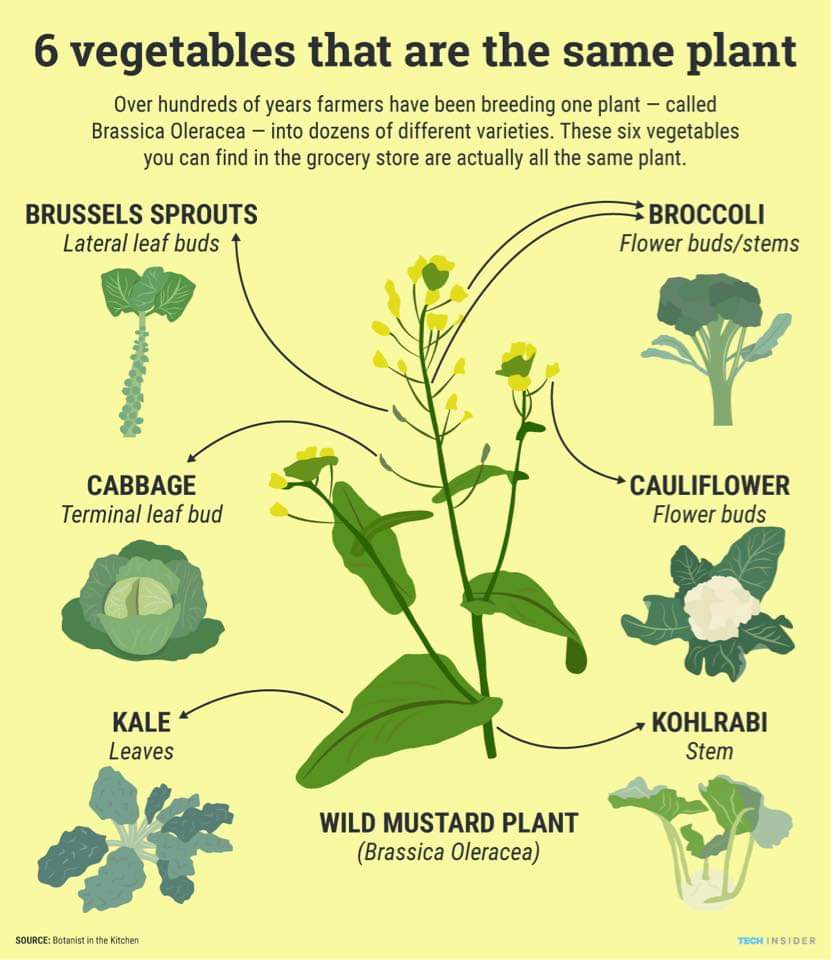
Humans have been cultivating and breeding wild plants for years to get the variety of veg that is now available for our plates. A great talking point at your next Family Sunday Roast. What wild plants did the veg your eating today come from?
 During the recent pandemic and lock down has meant that around the country some jobs have not been done such as cutting of verges. Some councils have already started to leave verges at certain times of the year to grow.
This time has seen a lot more verges sprin into life and become havens for wildlife allowing flowers and plants that would normally be kept short to grow to their natural heights. Fields have blossomed with the seed heads of dandelions and turned yellow and white with the buttercups and daisies.
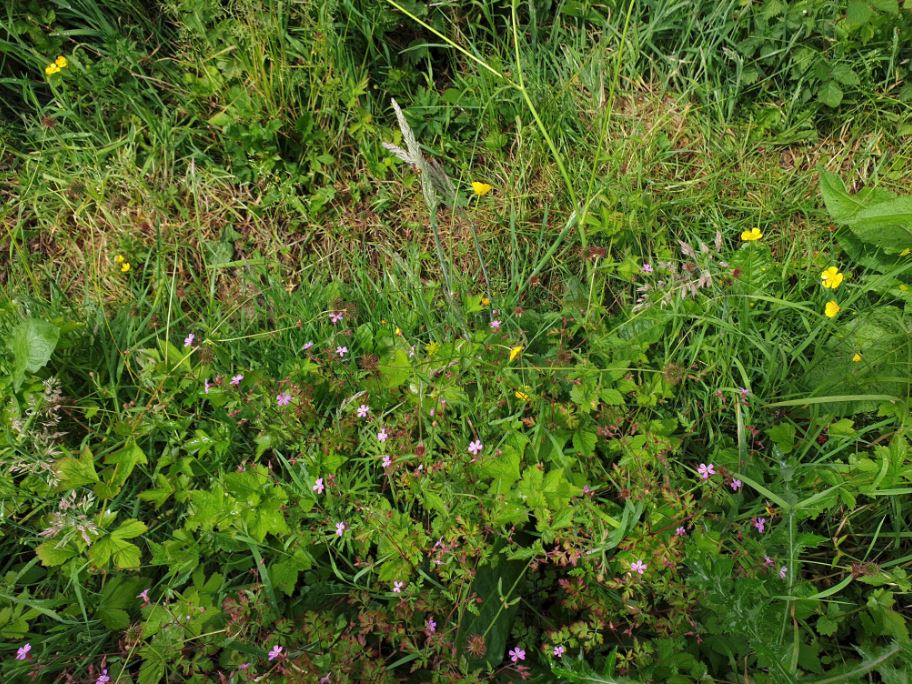
Verges along paths are also growing with species such as:
All of these provide habitats for wildlife to live and thrive. This is certainly a year to enjoy the colour and splender of nature as we excerise and get outside.
Here are the files for the Communicator Badge that we are doing on the Live Stream. These will be for the 3rd Live Stream
 Sparrowhawk Bushcraft