30 Days Wild 2021 – Day 23 – Nature Walk – Tree Moss

When out on a walk you may often see moss growing on the sides of a tree. The bark provides a great anchor for this plant to grow and it creates small micro wildernesses as it does.

There is a saying that it grows on the North facing side of a tree, however that’s not entirely true – the Natural Navigator (Tristan Gooley) has a great article on this topic that’s worth a read.

There are many different species of moss in the UK to list. This article from the woodland trust covers a few of these species:

  • Common haircap (Polytrichum commune)
  • Silky forklet moss (Dicranella heteromalla)
  • Swan’s-neck thyme moss (Mnium hornum)
  • Common tamarisk moss (Thuidium tamariscinum)
  • Glittering wood moss (Hylocomium splendens)
  • Springy turf moss (Rhytidiadelphus squarrosus)
  • Sphagnum species

30 Days Wild 2021 – Day 22 – Nature Walk – Monterey Cypress

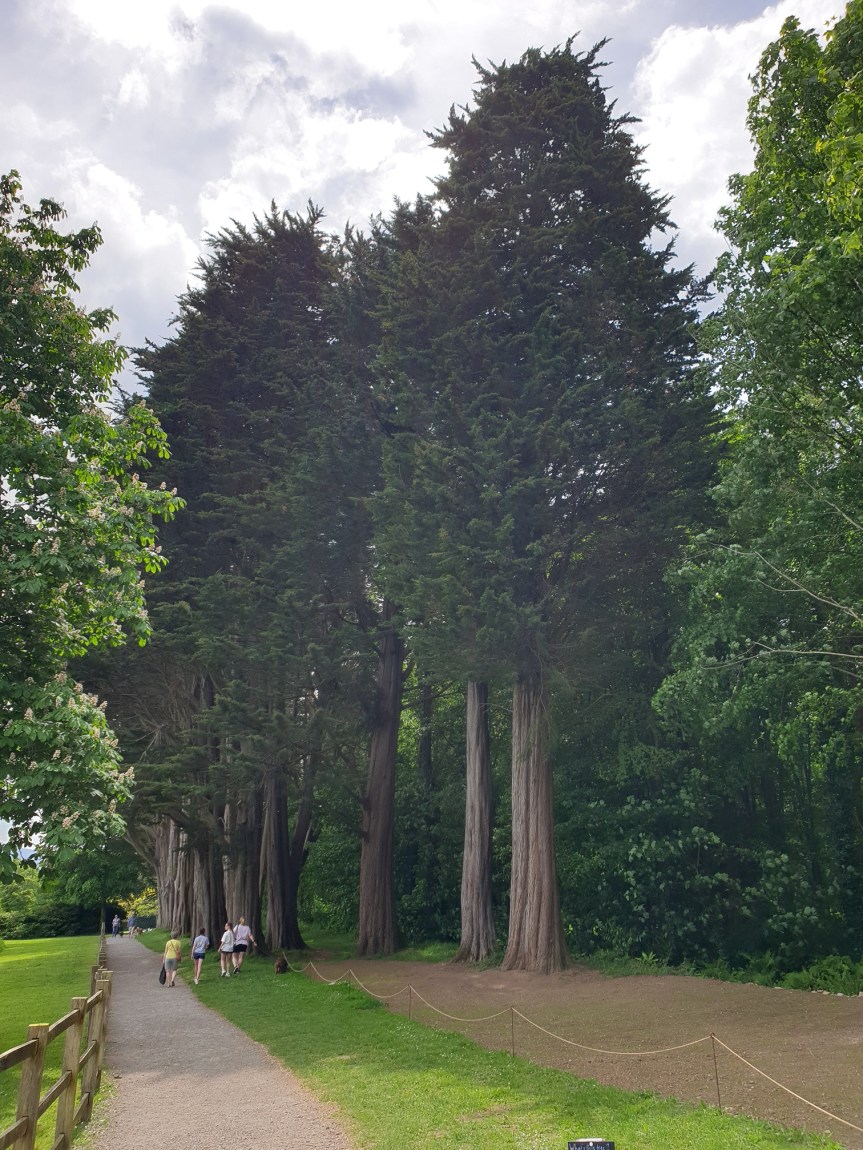
The Monterey Cypress (Cupressus macrocarpa) at Plas Newydd House and Garden (National Trust) are one of the first things that you encounter once in the grounds.

These huge trees from the central coast of California in the US where it is a popular garden and landscape tree. The Monterey Cypress has been planted across Europe outside of its native range. The trees were planted in 1916 and have grown to a fantastic height in a climate that is similar to its native zone.

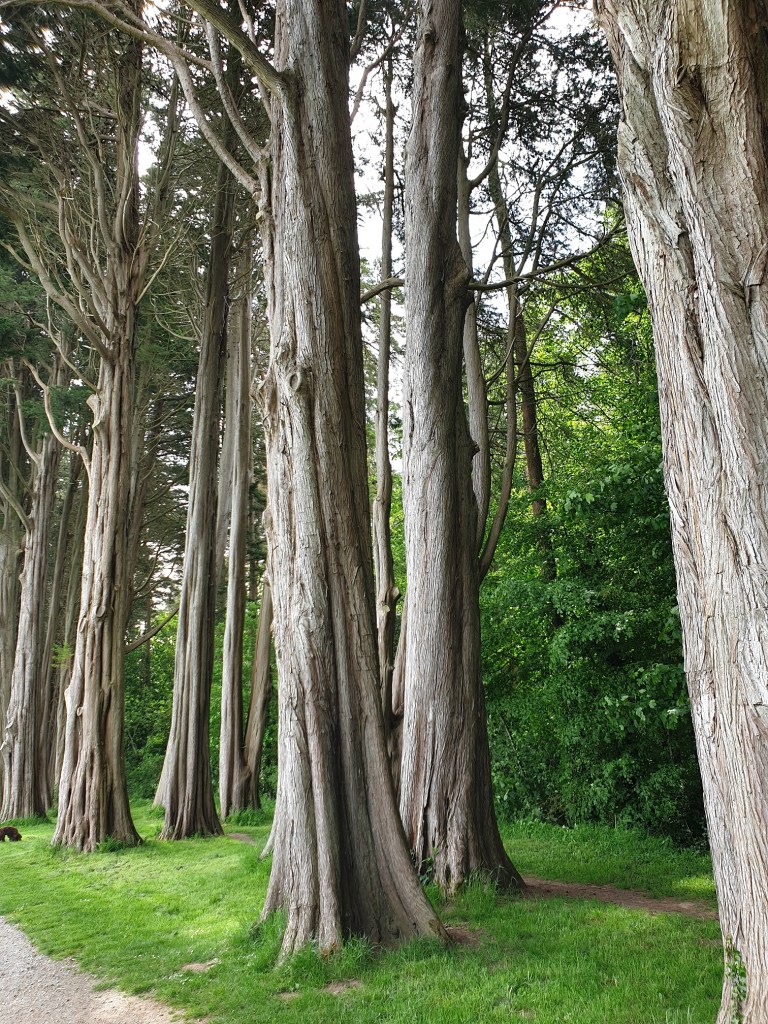
Having been several times to Plas Newydd these trees I always look forward to seeing for the height, shape and quirkiness that they hold. As you can see from the photo the trunks have lots of notches and holes which give each tree its own characteristics.

30 Days Wild 2021 – Day 21 – Nature Walk – Wood Mouse

The Wood Mouse (Apodemus sylvaticus) or Long Tailed Field Mouse is a widespread and common mammal that you might spot on a walk or in your garden.

Growing between 8cm and 10cm long and weighing between 23g and 25g, the typical Wood Mouse lives for around 1 year.

A female can have a litter of 4-8 and up to 6 times a year, which makes for a lot of mice! The circle of life though means that the Wood Mouse has a lot of predators such as birds of prey, foxes etc. One of the reasons that they are mainly nocturnal, although you may be lucky enough to spot one in the daytime.

They feed mainly on seeds from trees such as oak, beech etc and will change to berries and fruits when available in the later months of the year.

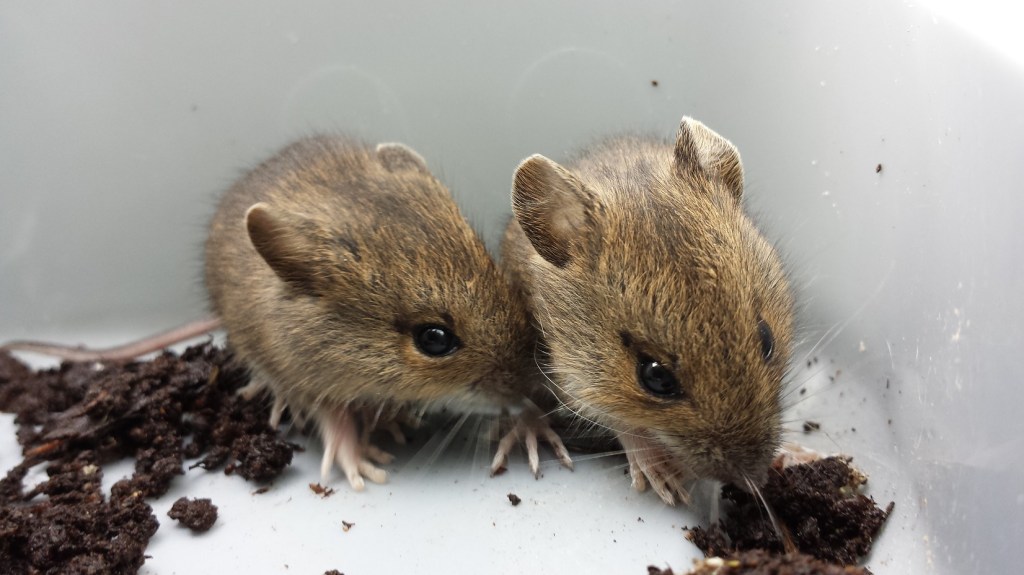
These two scamps (in the picture) were in my compost bin making a nice nest. Unfortunately for them I needed the bin contents, so they were relocated to some nice woodland to make a new home.

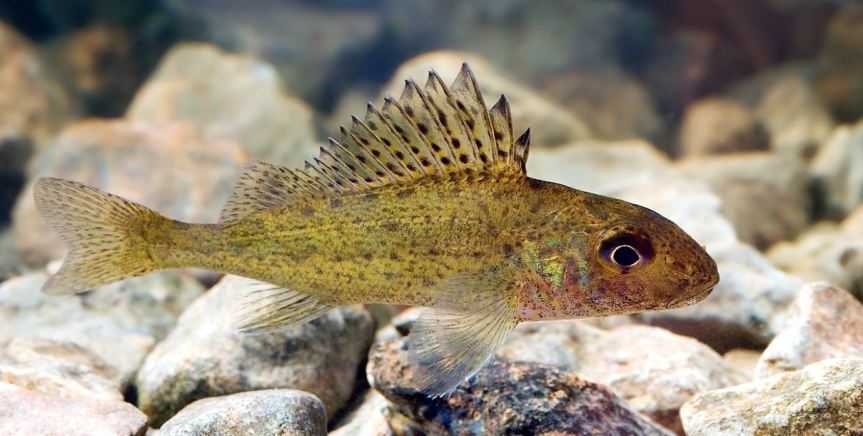
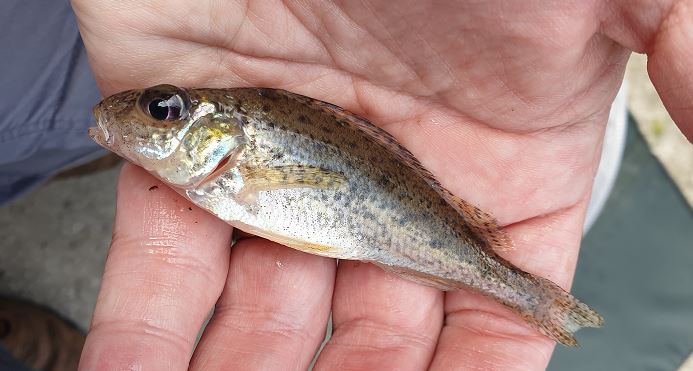
30 Days Wild 2021 – Day 20 – Ponds/Lakes – Ruffe

The Ruffe (Gymnocephalus cernuus) was a fish that I wasn’t really aware of until I caught one at the weekend during one of my fishing trips. After doing some research into this fish, its surprising what you find out.

Sometime referred to as Pope or Tommy Ruffe, the Ruffe is related to the Perch and is often mistaken as a Perch by Anglers who have not seen one before.

A shoal fish that likes slow waters such as canals, lakes and some slow rivers, it can grow as big as 25cm, but normally found around 10cm (ish).

In some areas of the world, the Ruffe is causing some issues, such as in Lake Superior in the US and Loch Lomond in Scotland, where it is having an effect on the ecology of the lake eating larvae, small aquatic bugs and fish eggs of other spawning species. Its a fast breeder with a single female laying between 130,000 to 200,000 eggs a year.

Like the Perch its important to watch the spikey dorsal fin when unhooking and returning to the water.

30 Days Wild 2021 – Day 19 – Ponds/Lakes – Mint

Todays postbis about a plant that most people know about and have tasted. The Mint (Mentha) plant comes in several varieties:

  • Apple Mint (Mentha villosa)
  • Corn Mint (Mentha arvenis)
  • Peppermint (Mentha piperita)
  • Spear Mint (Mentha spicata)
  • Water Mint (Mentha aquatica)
  • Whorled Mint (Mentha verticilla)

There are many other varieties (around 34).

Normally associated with cultivated herb gardens, Mint grows wild and along the banks of my local pond it grows in small clumps.

You can tell a Mint plant by its oval leaves and by rubbing the leaves a mint smell on your fingers.

Mint is one of those well used ingredients for cooking and pharmaceutical products, from Menthol to Mint Sauce.

If your growing Mint in your garden, its advised to grow in a pot or container as it can be quite invasive if not kept under control.